


From Party Trick to Proven Strategy: How a Holiday Fundraiser Shaped Our Work With the Oregon Zoo

What Happens When Giving Feels Like a Game? A Watson Holiday Experiment With Lasting Impact
It began with a casual question over cocoa during the holidays: “Can people earn points for giving money?” From that moment, the idea took shape.
At Watson, we’ve built platforms and campaigns for some of the most recognizable organizations in nonprofit and civic life. But this time, the work wasn’t for a client—it was for us. We designed a custom fundraising experience, invited our community to test it, and discovered more than a successful event. We uncovered a new way to think about digital generosity.
This experiment eventually shaped our work with the Oregon Zoo and the Oregon Cultural Trust, influencing how we help organizations deepen engagement and inspire action.
This wasn’t about proving we could build a donation engine. It was about proving we could build joy.





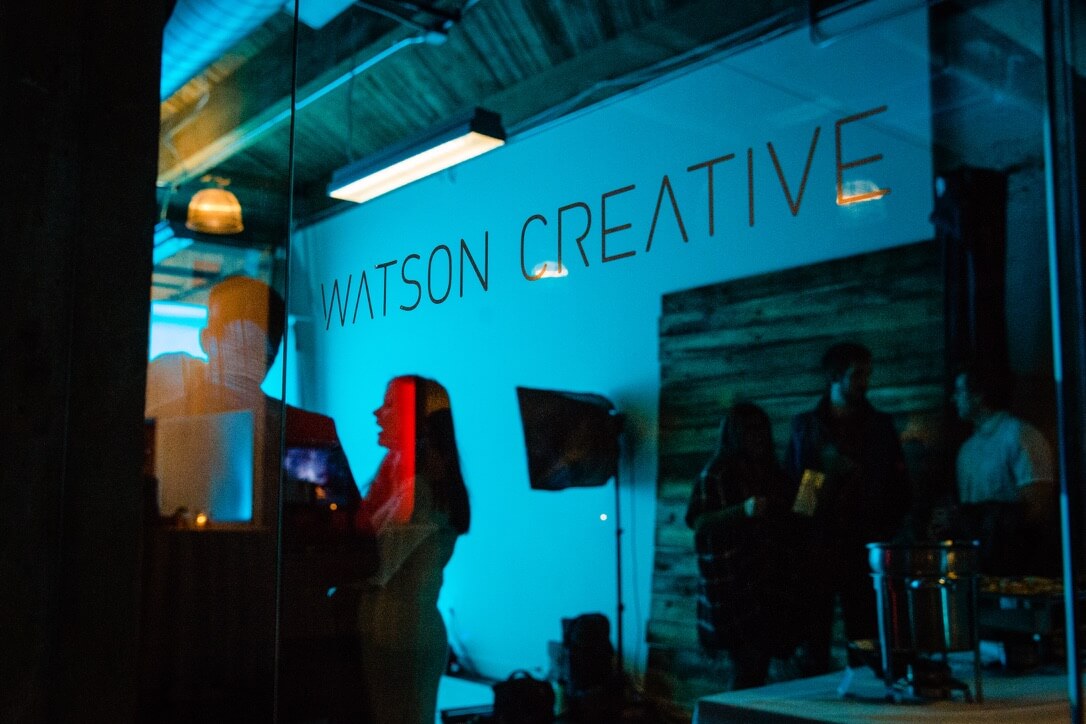
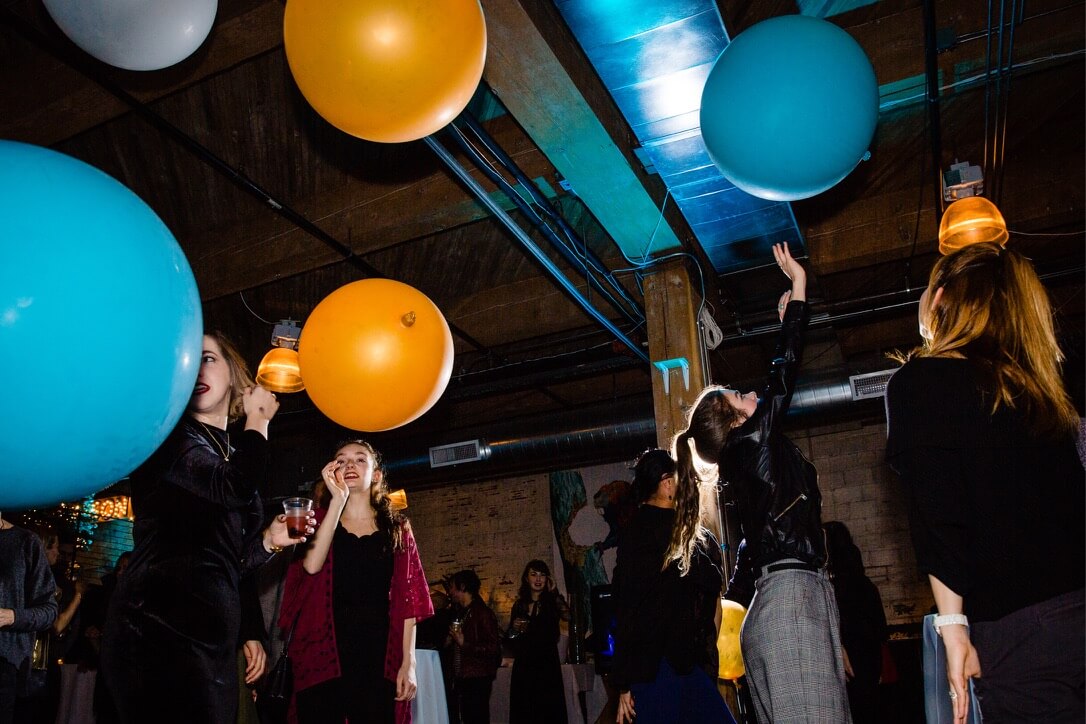
The Holiday Portal: Custom Tech, No Strings Attached
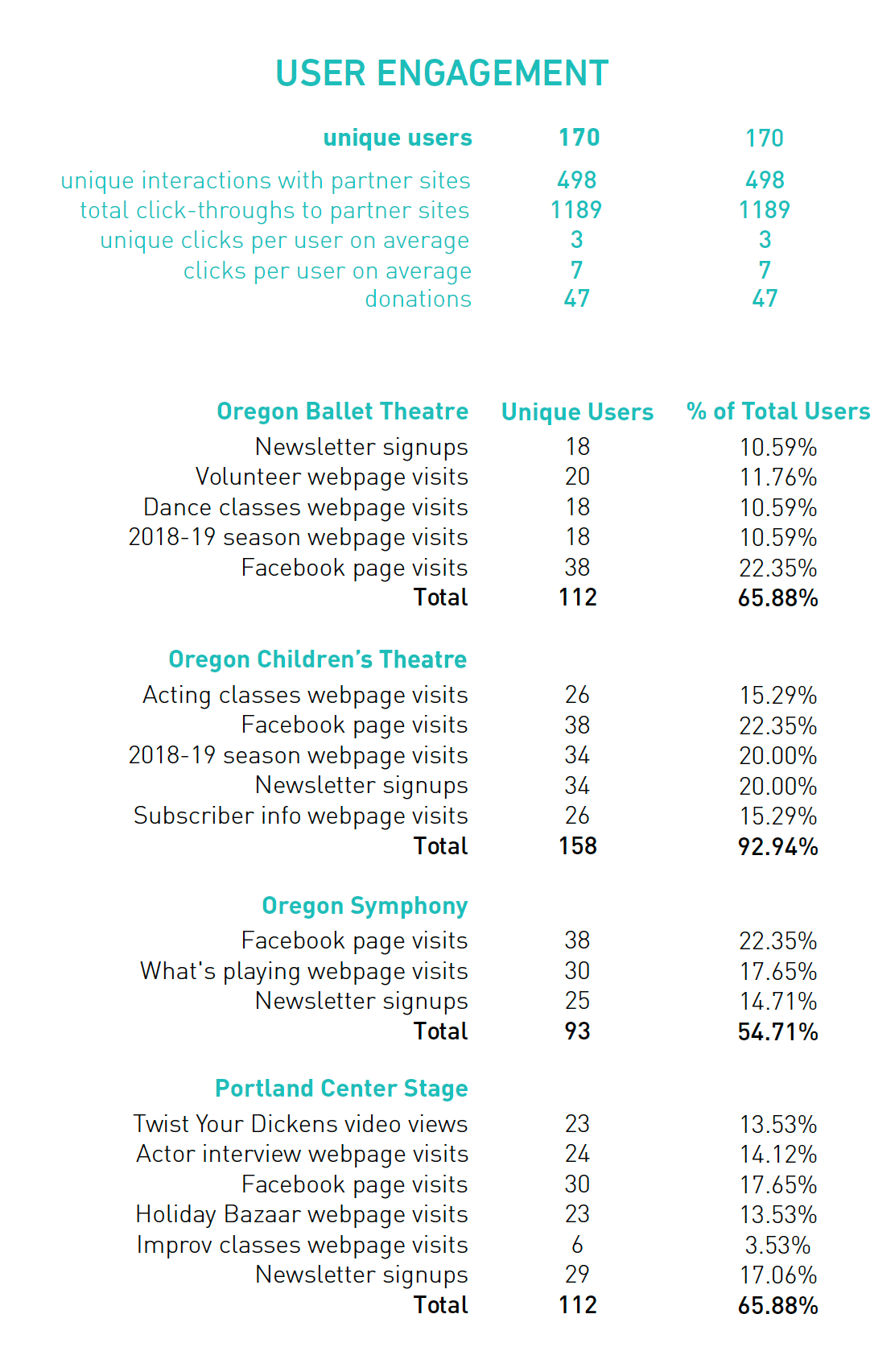
We built the entire experience in-house—custom portal, user interface, gamified actions, and a mobile-optimized reward system. Guests earned points by exploring nonprofit partners like Oregon Children’s Theatre, following social channels, signing up for newsletters, watching videos, or donating directly.
Higher donations meant higher points. Points could be exchanged for prizes such as Timbers gear, a resort escape, or exclusive partner items.
- Real-time tracking showed each action instantly on the user dashboard.
- Engagement grew quickly—87% of all points were earned before the event even began.
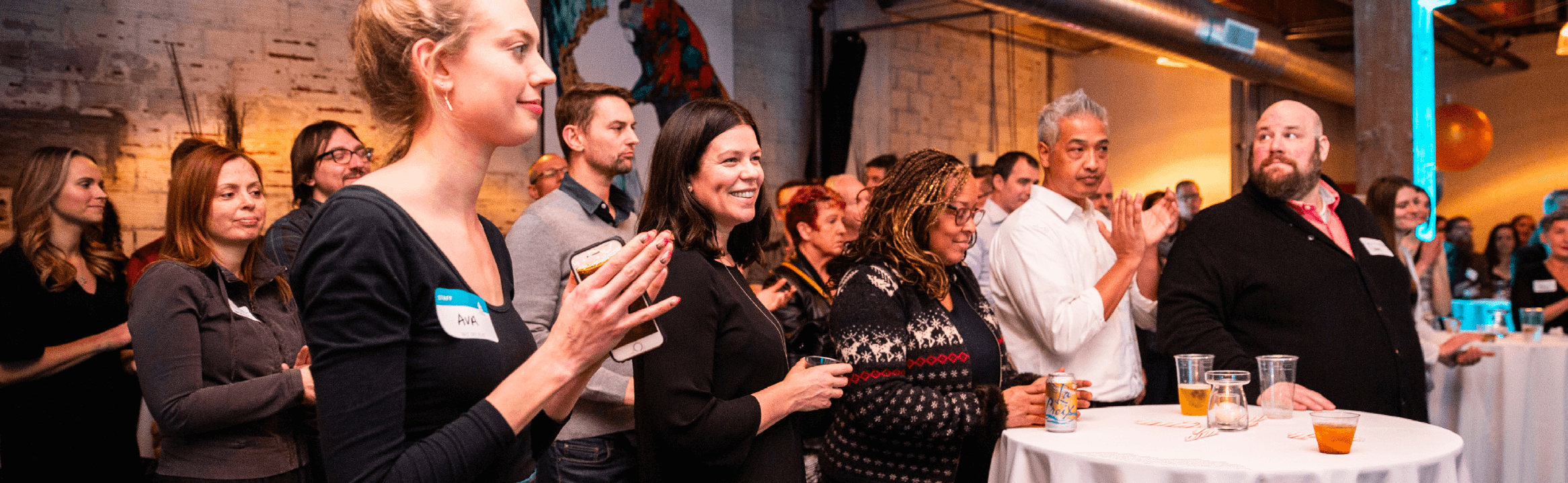
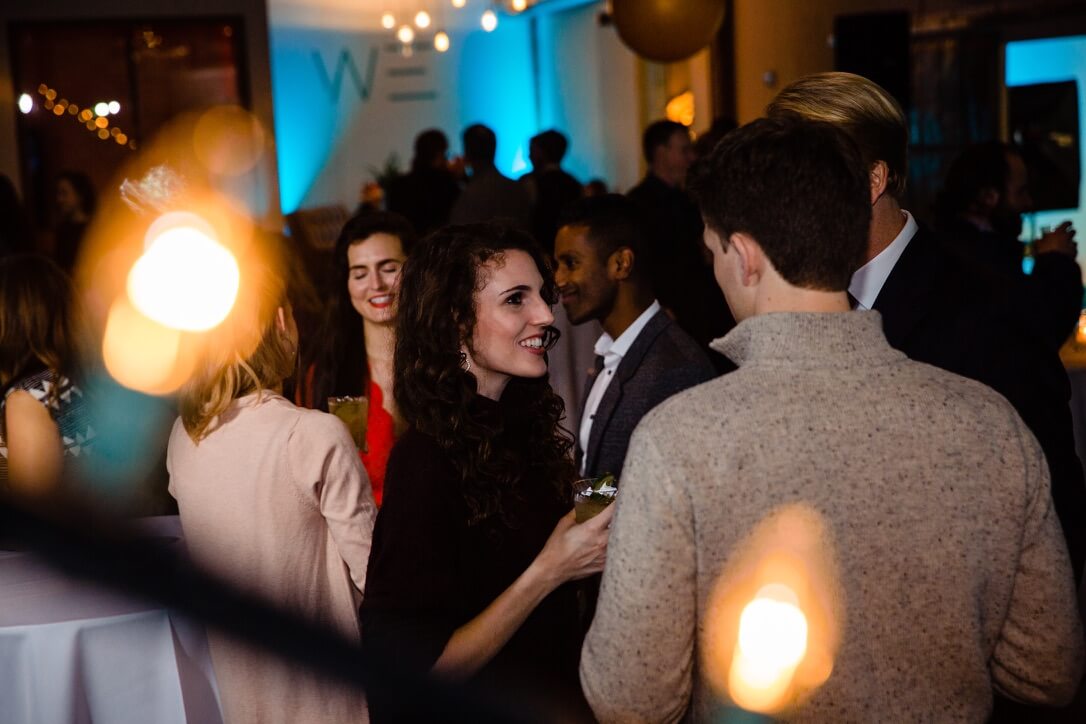
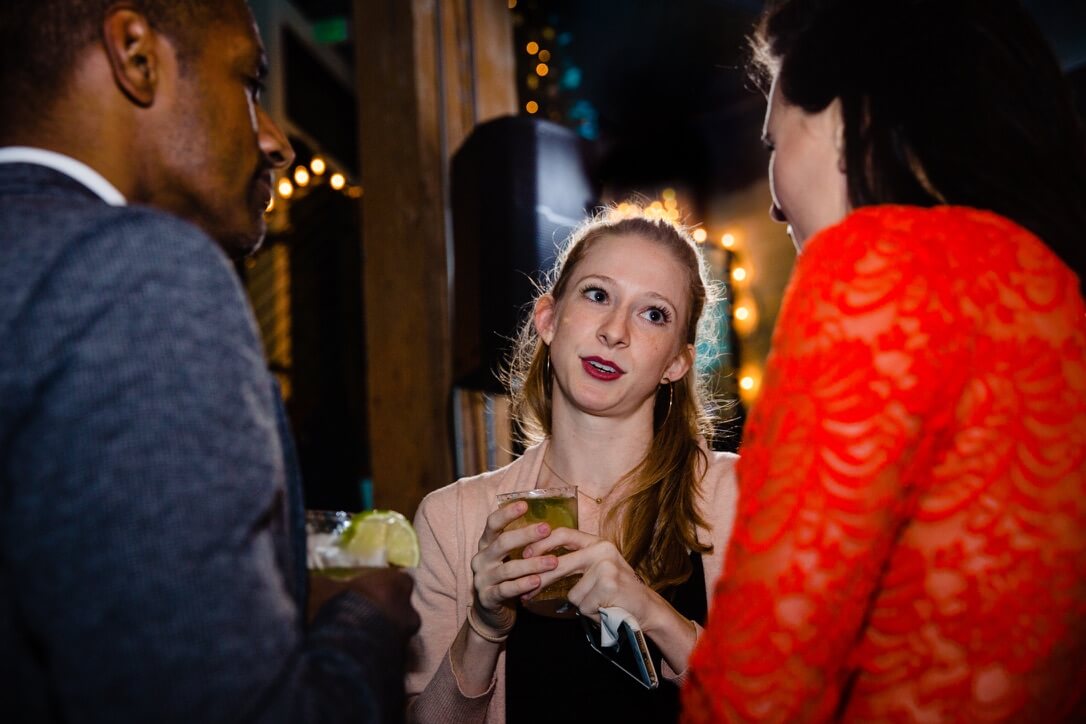
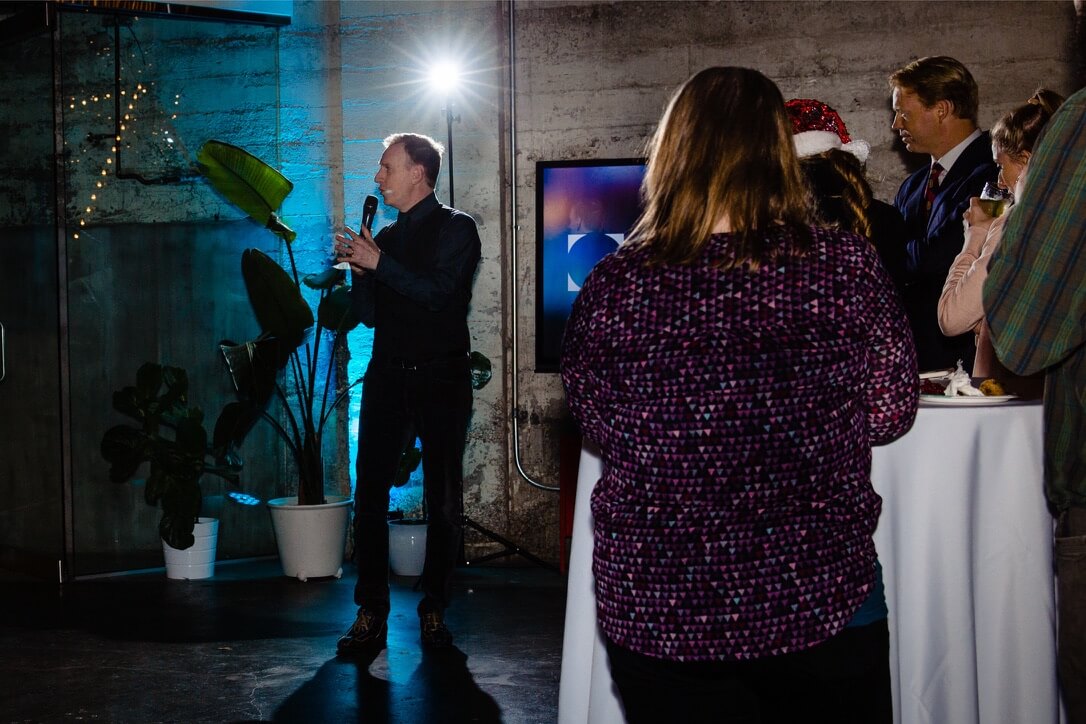
When the event opened, phone screens lit up, friendly bidding wars sparked, and 64% of total donations occurred on-site. Casual attendees became committed advocates because the experience felt intentional, rewarding, and distinctly enjoyable.
We raised $5,000 in just a few weeks. But the deeper value came from what we learned.
From Fun to Framework: Applying the Model at Scale
We didn’t let the insights stay on the shelf.
Soon after, we partnered with the Oregon Zoo Foundation to strengthen community engagement—not only for their major events but throughout the year. Families were already attending seasonal experiences, but the challenge was turning one-time guests into sustained supporters.
Inspired by our holiday prototype, we helped the Zoo rethink donor engagement using:
- Custom-built microsites
- Incentive-driven storytelling
- Interactive touchpoints designed for all ages
Whether it was a scavenger hunt during ZooLights or behind-the-scenes animal stories linked to recurring giving, the approach remained consistent: light interaction, real-time reward, emotional presence.
For the Oregon Cultural Trust, the challenge was statewide awareness. Many Oregonians didn’t know the cultural tax credit existed, let alone how to participate. We approached it through a behavioral lens—simplifying decision-making and elevating immediate value.
The Trust’s updated experience offered:
- Interactive content mapping exactly where donations go
- Story-driven guidance aligned with user motivations
- Micro-rewards and shareable moments
- A short, intuitive journey that encouraged active exploration
The shift was tangible: people transitioned from passive readers to active participants.
Why This Works: A Joy-First Model for Donor Engagement
Nonprofit communication often leans on urgency—“Time is running out” or “We’re behind.” These tactics work, but only to a point. Our experiment showed something different: generosity grows when the experience feels less transactional and more inspired.
Giving can feel like curiosity.
It can feel like discovery.
It can feel like play.
When individuals are rewarded for exploring—not only for donating—they form a stronger emotional connection. Our platform wasn’t built around guilt; it centered on empowerment. And that model proved effective whether raising $5,000 for children’s theatre or $500,000 for cultural preservation.
What We’d Tell Any Nonprofit Today
If your efforts rely heavily on email bursts and single-evening events, it may be time to refine your approach. Here are the principles we now apply across mission-driven clients:
Build a longer runway.
Successful campaigns begin long before a direct call to give. Lead with exploration, not urgency.
Design with emotion, not pressure.
A compelling story or interactive moment can outperform traditional countdowns or deadlines.
Create a feedback loop.
Real-time indicators—progress bars, unlocked content, evolving dashboards—strengthen engagement.
Celebrate small actions.
Rewarding micro-behaviors (like watching a video) can lead to deeper forms of participation.
Make giving feel like belonging.
Provide badges, behind-the-scenes access, playlists, or personal messages—anything that signals community and shared mission.
Our work as an Oregon branding agency connects mission, audience insight, and digital experience for nonprofits seeking sustainable growth.
An experienced system integration company can also ensure fundraising platforms and operational tools exchange the data teams need.
From the Couch to the Cultural Trust: A Creative Journey
What started as a family conversation became an experiment in how generosity can flourish. We learned that people are inherently inclined to give—but the systems around them must invite connection. They need to feel included. They need permission to play.
We didn’t patent the platform or turn it into a product. Instead, we incorporated its core principles—joy, engagement, community—into some of our most meaningful nonprofit work.
That’s the value of experimentation. When thoughtful ideas succeed, they don’t simply work once—they resonate.