


Skip to content

From Loyalty Programs to Shared Purpose

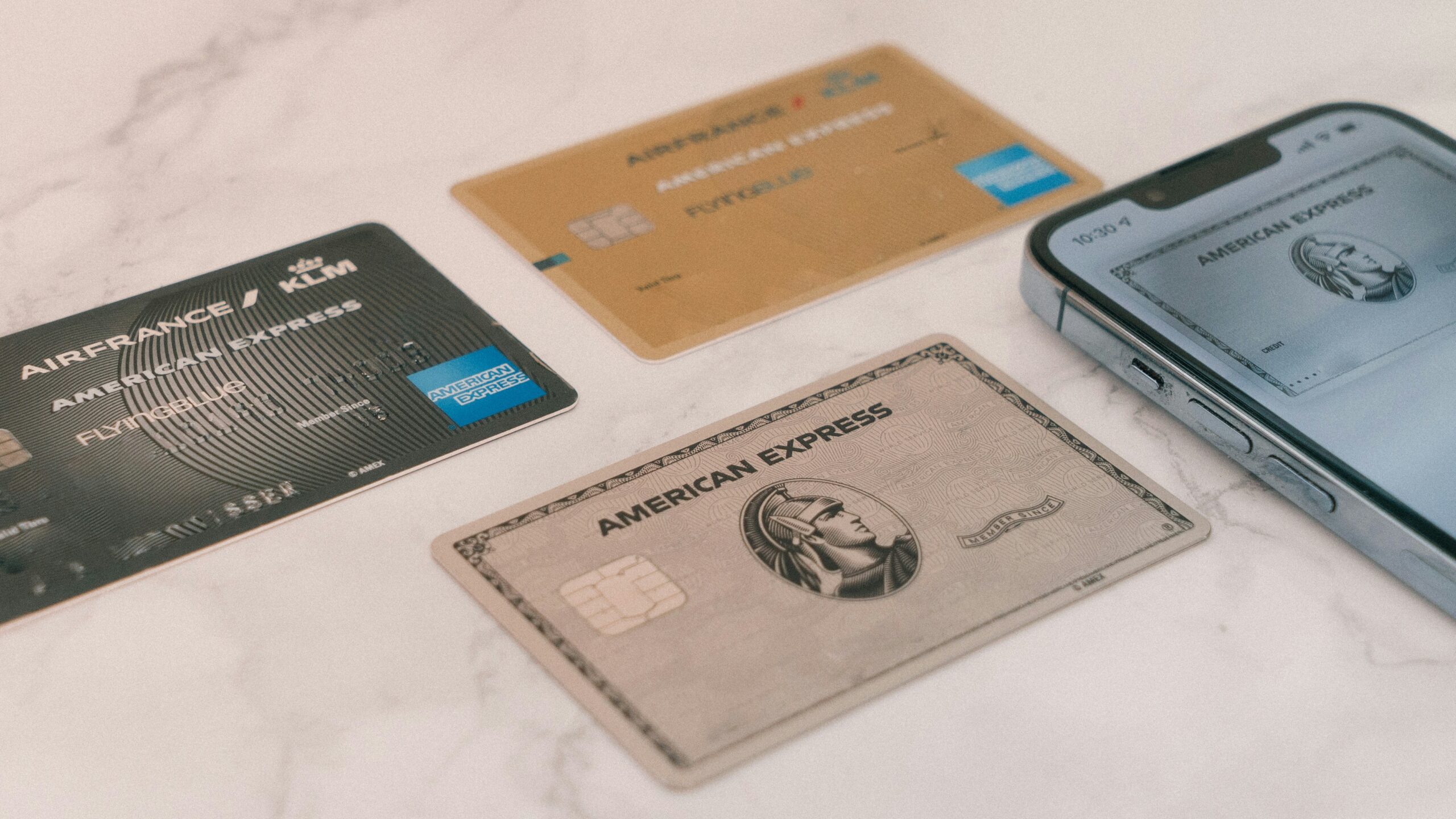
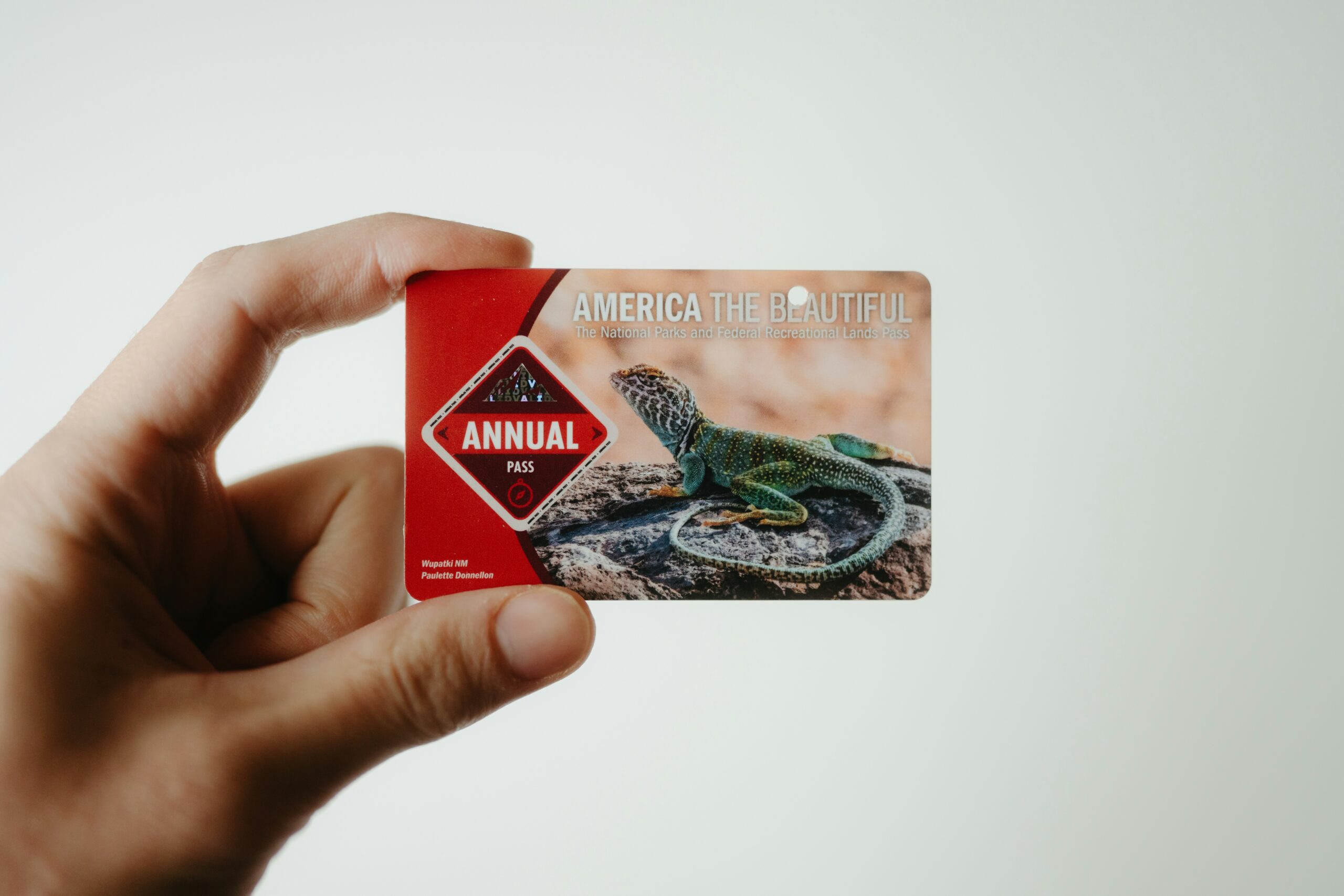
Not long ago, membership was a magic word. It carried prestige, exclusivity, and access. Whether swiping a platinum card, flashing a gym tag, or opening a glossy welcome packet, brands built empires on the promise of perks in exchange for allegiance.

But times change. And so do people.

Today’s audiences are not looking to join something. They want to build something.

This shift is tectonic. What was once about status is now about significance. Loyalty is detaching from transactional benefits and reattaching itself to belief. The traditional membership model is giving way to movements that are participatory, porous, and deeply personal.

Across sectors, from nonprofits and unions to outdoor brands and beauty platforms, organizations are moving beyond punch cards and gated access. They are designing ecosystems of shared purpose, where the currency is not points, but participation.

This is no longer a niche strategy. It is an operational imperative for brands that want to remain culturally relevant. Especially for Gen Z and Millennials, who resist being labeled, segmented, or neatly tiered. They crave authorship. They want to shape culture, not subscribe to it.

Intrinsic Motivation and the Psychology of Belonging

At the heart of this shift is a well-documented psychological truth: intrinsic motivation outperforms extrinsic rewards.

People do not stay because of points. They stay because it matters to them. Purpose, identity, and belonging create emotional returns that no loyalty tier can replicate.

Motivation theory reinforces this. Autonomy, mastery, and purpose drive deeper engagement than discounts or leaderboards ever could. Where the old model asked people to earn perks, the new model invites them to earn meaning.

We see this in brands like REI, which has moved away from discount-led messaging toward environmental equity and outdoor access. Its “Opt Outside” campaign is not a promotion. It is a cultural stance that unites people through shared values.

In the nonprofit world, this shift is equally clear. Organizations like the Autism Society of America, working with Watson, have moved away from institutional gatekeeping toward decentralized community voice. The focus is no longer on joining an entity, but on contributing to a shared cause.

These are not customers. They are co-creators. And that bond is far more durable than any punch card.

Letting Go of the Clubhouse Model

So why do so many organizations still cling to outdated loyalty structures?

Because they feel safe. Because they promise control. And because they are easy to measure.

But the clubhouse model, with its passwords, tiers, and insider language, no longer inspires. At best, it feels irrelevant. At worst, it alienates.

Today, transparency beats exclusivity. Shared rituals outperform rigid rules. The question is no longer “How do we retain them?” but “How do we invite them to help shape us?”

Watson’s work with Portland Center Stage reflects this evolution. Rather than framing season tickets as transactions, the brand emphasized cultural belonging. Attendance became less about consumption and more about contributing to the civic and artistic life of the city.

The same shift has occurred in the labor space. ProTec17 rebranded away from dues-based language toward voice, dignity, and shared impact. When people feel part of a cause rather than an org chart, participation increases.

The clubhouse may feel secure. But a bonfire, open, warm, and participatory, builds momentum.

Brands as Cultural Movements, Not Products

Brands often talk about community. Too often, that community is designed to receive, not contribute.

True community does not gather around a product. It gathers around a promise.

YETI sells rugged identity, not coolers. Salesforce built the Trailblazer ecosystem around learning, rituals, and shared language. Ben & Jerry’s launches conversations about justice, climate, and equity alongside its flavors.

These brands operate like cultural movements. They invite participation, take positions, and leave room for co-authorship. Their loyalty is not measured solely in repeat purchases, but in actions: content creation, volunteerism, advocacy, and belonging.

Domaine Serene offers another expression of this principle. Rather than reducing its wine club to bottles and perks, it built an emotional experience grounded in storytelling, place, and heritage. Members are not collecting labels. They are collecting meaning.

Across these examples, one truth holds. Loyalty now lives in identity, not incentives.

Designing Systems People Want to Be Part Of

This new kind of loyalty does not happen by accident. It is designed.

Designing for a movement requires a different mindset. It is not about locking people in. It is about inviting them in, with clarity, relevance, and cultural awareness.

The strongest systems share common traits:

  • They reward impact rather than spend

  • They create spaces for participation, not stages for performance

Open-source storytelling replaces polished press releases. Patagonia publishes audits. Nike publishes sustainability dashboards. These are cultural artifacts that build trust through transparency.

Brands shift from gated events to porous spaces: Discords, Slacks, pop-ups, and live forums where the brand moderates rather than dictates. Recognition comes through contribution, teaching, and leadership, not point accumulation.

Watson has seen this across industries. With the San Francisco 49ers, loyalty evolved from subscriptions into storytelling, allowing fans to participate in a living legacy. With Kaiser Permanente, internal branding reframed health as a collective journey rather than a transactional service.

These are not abstract ideals. They are designable systems. And they are what audiences are asking for, often with their wallets and always with their hearts.

Are You a Brand, or a Movement?

We leave you with a provocation: would someone tattoo your logo?

This is not about vanity. It is about relevance.

The brands that thrive today are not just selling products or services. They are creating space for identity, action, and shared belief. They invite people not only to follow, but to shape the story.

If your loyalty strategy still relies on tiers, perks, and gated newsletters, it may be time to ask harder questions.

Where are we gatekeeping when we could be inviting?
Are we rewarding spend, or celebrating meaning?
Is our audience a database, or a community of builders?

Membership still matters. But it only works when it is built on movement. On shared purpose, cultural participation, and emotional relevance.

Go beyond the card.
Ditch the tiers.
Build the table.

Design your brand not for acquisition, but for shared action. Let people not just consume the story, but help write it.

Because in the end, the only question that matters is this:
Are you a brand, or are you a movement?

https://www.watsoncreative.com/trendwatching-fuels-innovation/