


Skip to content

Many years ago, long before the Vintage trend had a name, my parents met while working at a JC Penney store. It was an era when department stores shaped the shopping experience—when quality and craftsmanship outweighed convenience or frugality. For my mother, a JC Penney purchase was the pinnacle of gifting. To this day, I still receive an unfortunate sweater every Christmas, and when my enthusiasm falters, she insists, “But it’s brand name!” The label alone, in her mind, supersedes any stylistic concern.

For someone who once sewed my childhood clothing by hand, the brand name symbolized aspiration, dignity, and access. The uniqueness of an item mattered far less than the prestige attached to it. I, however, find myself searching Portland boutiques for rare treasures—pieces that capture an unmistakable aesthetic from an era long past.

When I proudly bring these finds home, my wife’s skepticism is immediate. As I defend the charm of these odd relics, I hear my mother in my own voice when I smile and say, “It’s vintage!”

"I seek out the rare finds…looking for that one item that is singularly unique and that tells the story of an aesthetic from an era long-gone."

Then

My parents’ and grandparents’ generations understood that quality was worth the wait. Rather than buying something inexpensive only to replace it shortly after, they saved for items built to endure—and they kept them for decades.

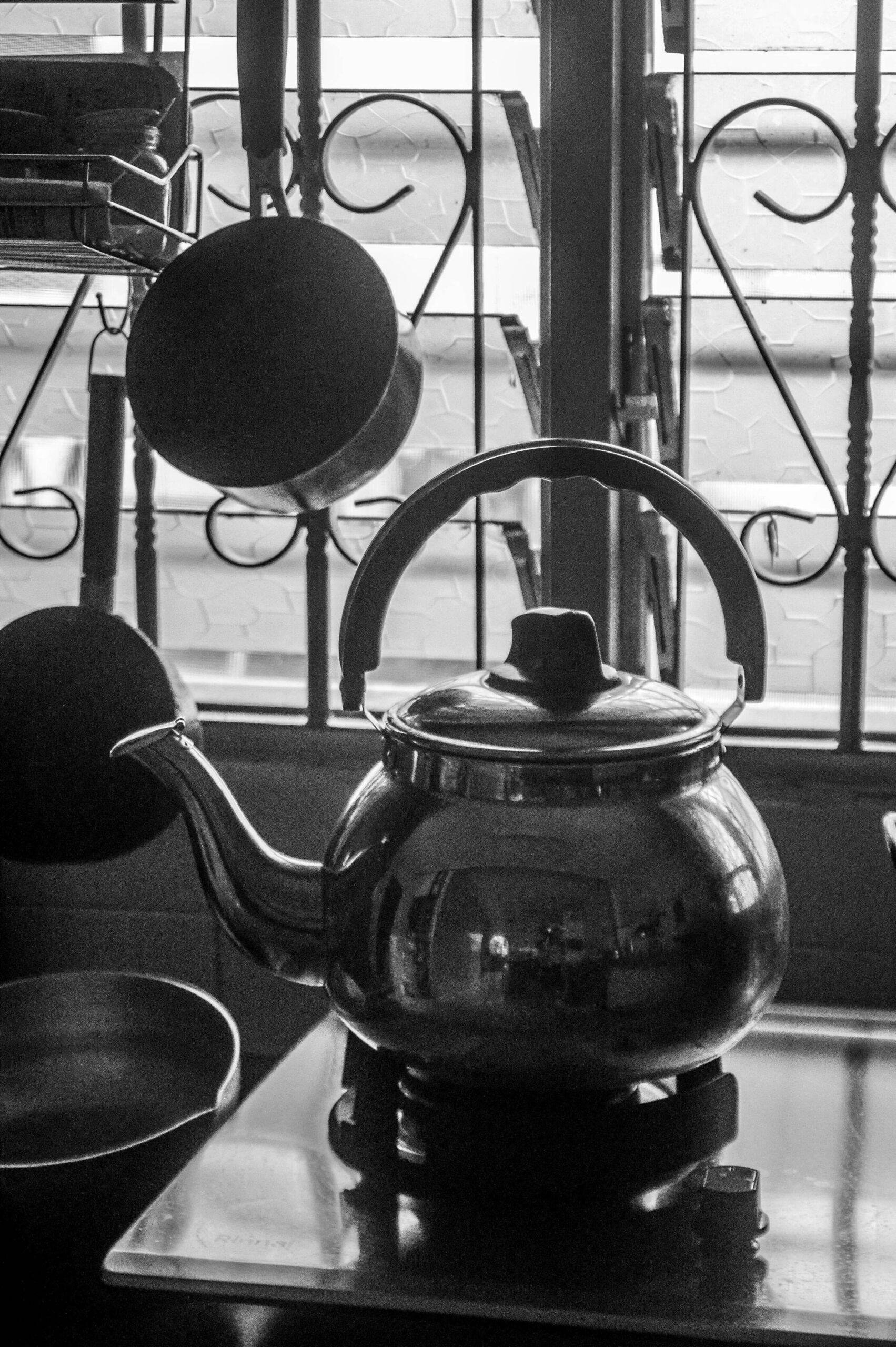
This mindset is echoed in the stylistic shifts embedded in objects from each decade. A vintage typewriter, a mid-century coffee table—each becomes a time capsule of visual language and cultural sentiment. The Vintage trend continues to cycle, resurfacing with every generation as past styles return and are reinterpreted in modern form.

Vintage as a Macrotrend

The Vintage trend invites us to reclaim objects from the past and assign them new meaning—without altering their original essence. This renewed appreciation emerges precisely because these items stand apart from today’s uniformity.

Their appeal lies in the class, simplicity, and durability of goods created in a time when longevity mattered. Families kept the same toaster for three generations. Cars were not replaced every few years. Vintage objects anchor us to our origins, encouraging us to rediscover the values embedded in aesthetics that have endured across time.

The Challenge

Instead of dismissing used goods until they circle back into fashion, embracing vintage pieces opens possibilities for modern reinterpretation. Acknowledging the styles, methods, and values of earlier eras—and adapting them thoughtfully—allows brands to engage more dynamic and enthusiastic audiences.

The real difficulty lies in deciding what to carry forward. With so much historical material available, it can be overwhelming to determine which elements retain their integrity and which should evolve. The goal is to distill the core aesthetic—preserving its appeal while guiding it into today’s marketplace.

Key considerations include:

  • Identifying the timeless essence of a piece

  • Translating that essence for contemporary expectations

Now

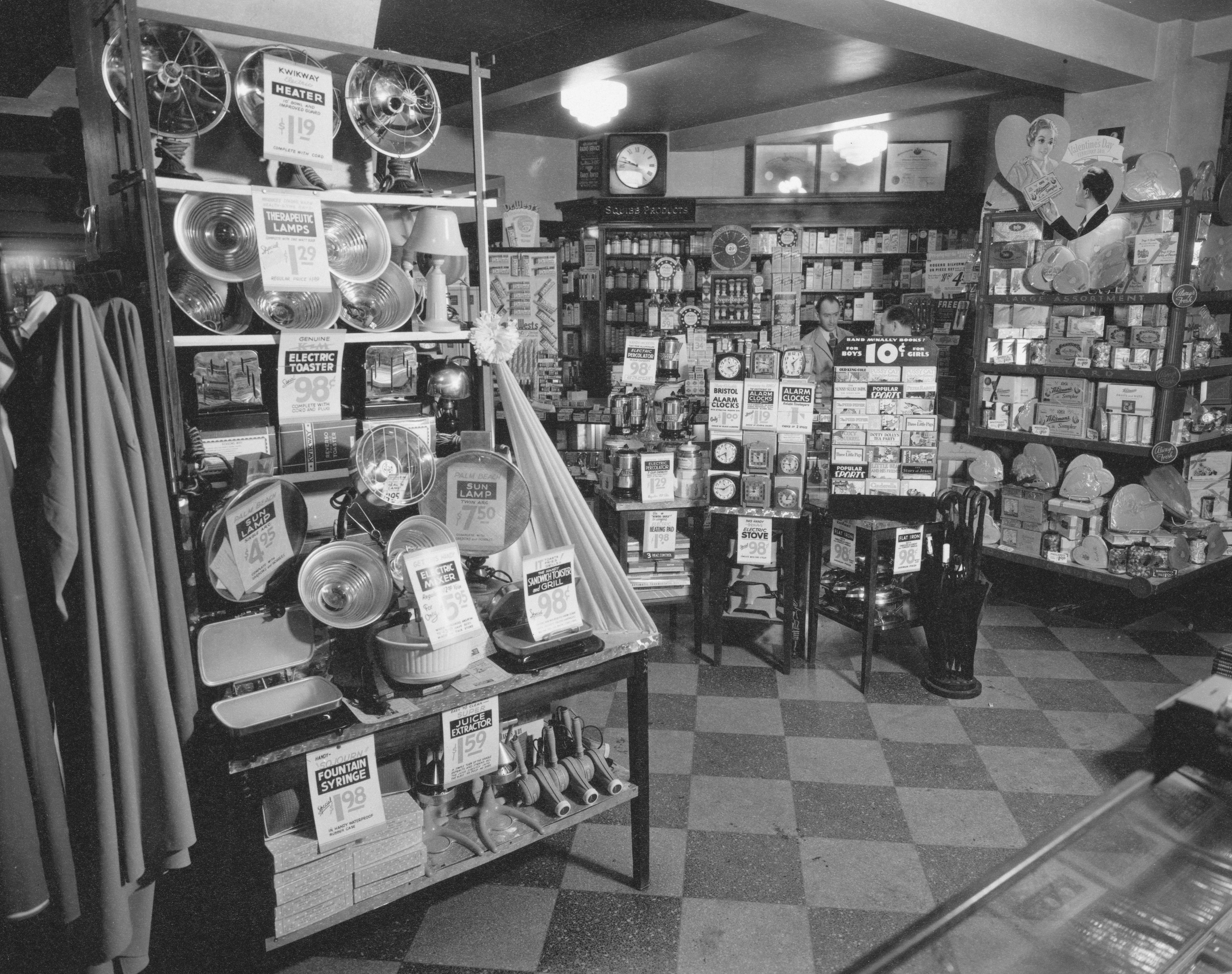
The Vintage trend extends well beyond feathered hair or aviator sunglasses. In cities like Portland, businesses are reviving service models rooted in the 1920s and 30s.

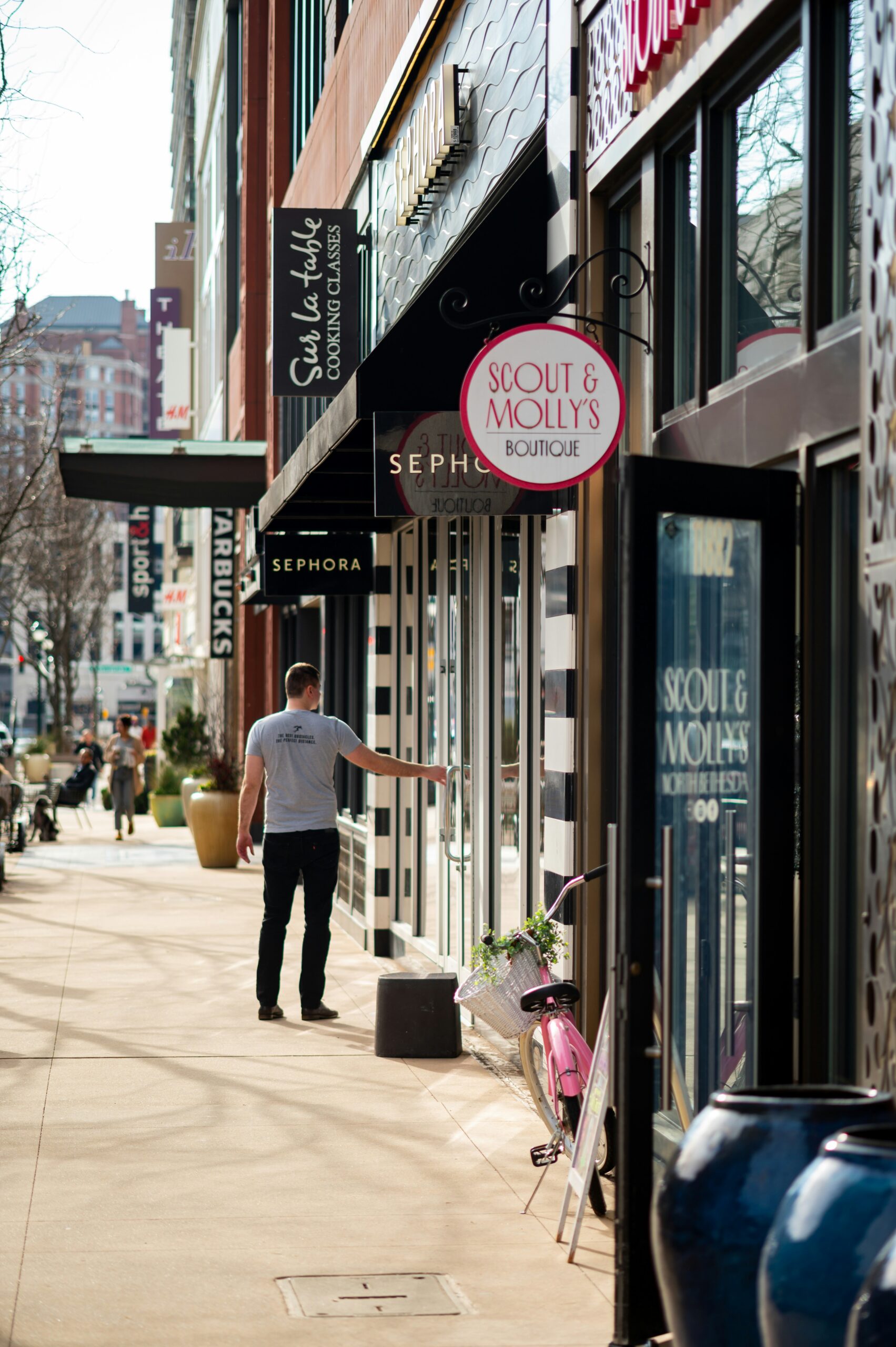
Barber shops, ice cream parlors, and boutiques are reemphasizing personalized, small-scale experiences over mass-market convenience. Owners design their spaces with era-specific cues—wood floors, antique furniture, curated music—to immerse customers in the warmth and intimacy of a slower, more attentive past.

Fashion demonstrates this cycle most clearly. From runway models to baristas, retro aesthetics dominate. Vintage shoes, accessories, and classic-film tees often sell for many times their original price on eBay. Designers continually draw upon earlier decades, producing work that may be contemporary in form but unmistakably retro in spirit.

Trends are cyclical. What once felt outdated inevitably returns—either in its original state or as a refined reinterpretation.

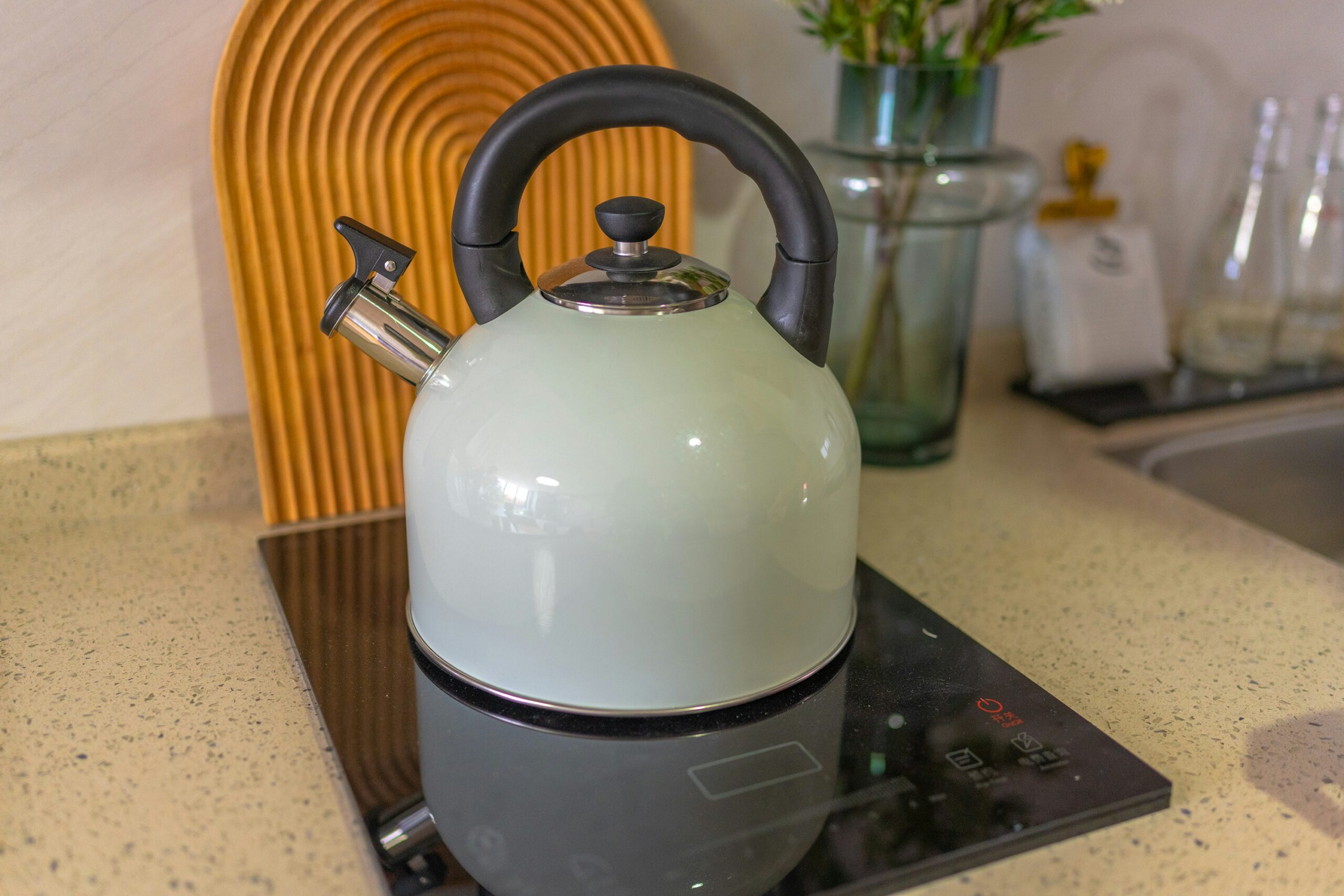
This methodology applies to nearly any product. While few people want to buy a toaster manufactured in 1953, many eagerly purchase one that looks vintage yet functions with modern reliability. Products that blend vintage charm with current technology expand their appeal and resonate with consumers seeking both character and quality.