Skip to content

Design with Nature

Growing up in both Colorado and Oregon profoundly shaped my approach to design. I consistently turn to nature for inspiration—color palettes, textures, forms, and the logic behind how things function. Nature has always informed my creativity and problem-solving.

We’ve evolved enough as a species to recognize that nature is both constant and intuitive. Rather than attempting to control it, we gain far more by observing, learning, and modeling after it.

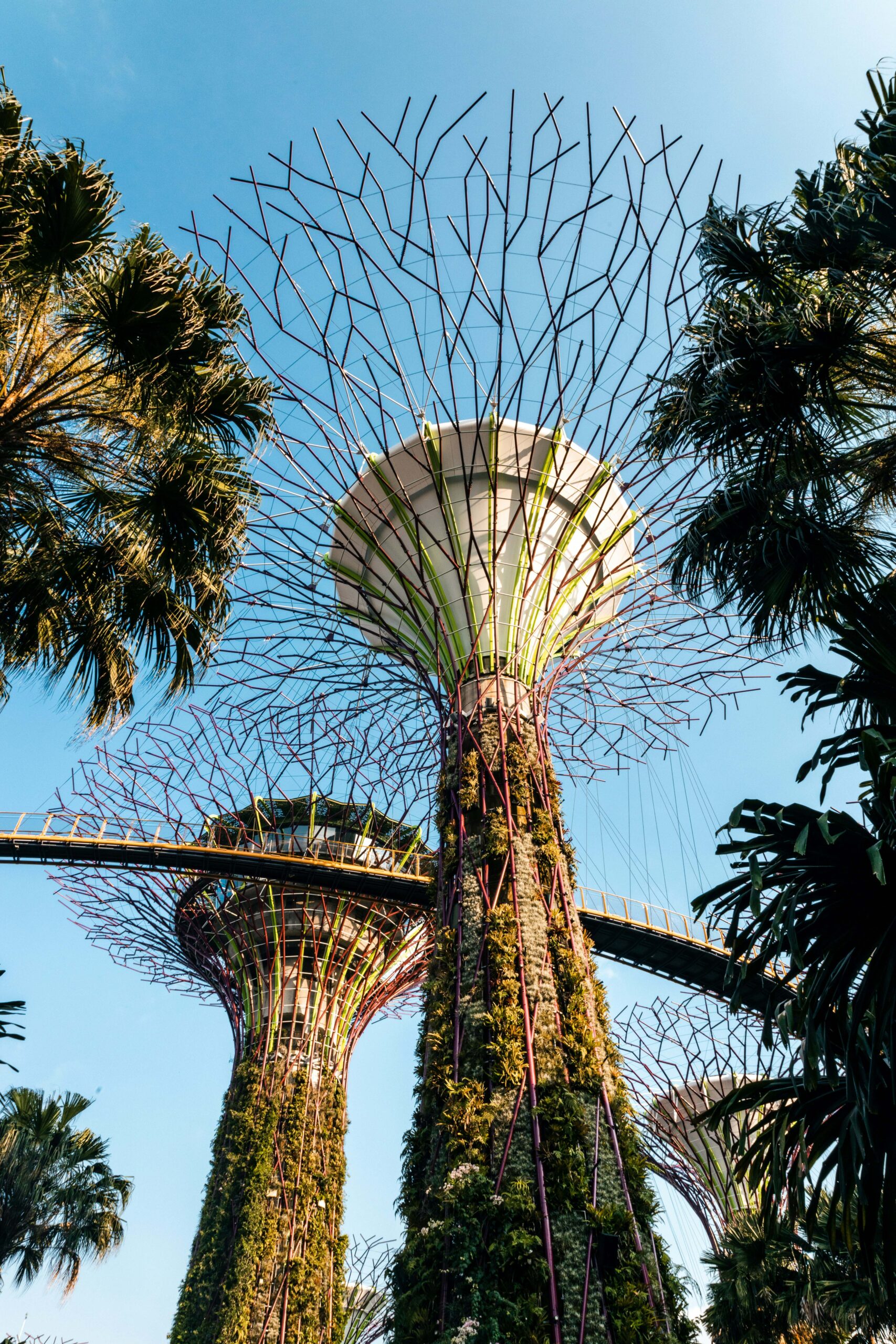
Nature Tech is a macrotrend defined by this perspective. It draws from the natural world for both inspiration and practical design solutions. It favors organic, intuitive experiences over overly technical systems that ignore the elegant efficiencies already present in nature. We look to what existed long before us—and will endure long after—to guide contemporary ideas about form, function, and human-centered design.

"... rather than trying to control nature, we can benefit more by learning from it..."
"....notice the ways the natural world offered solutions when man worked in harmony with it."

THEN

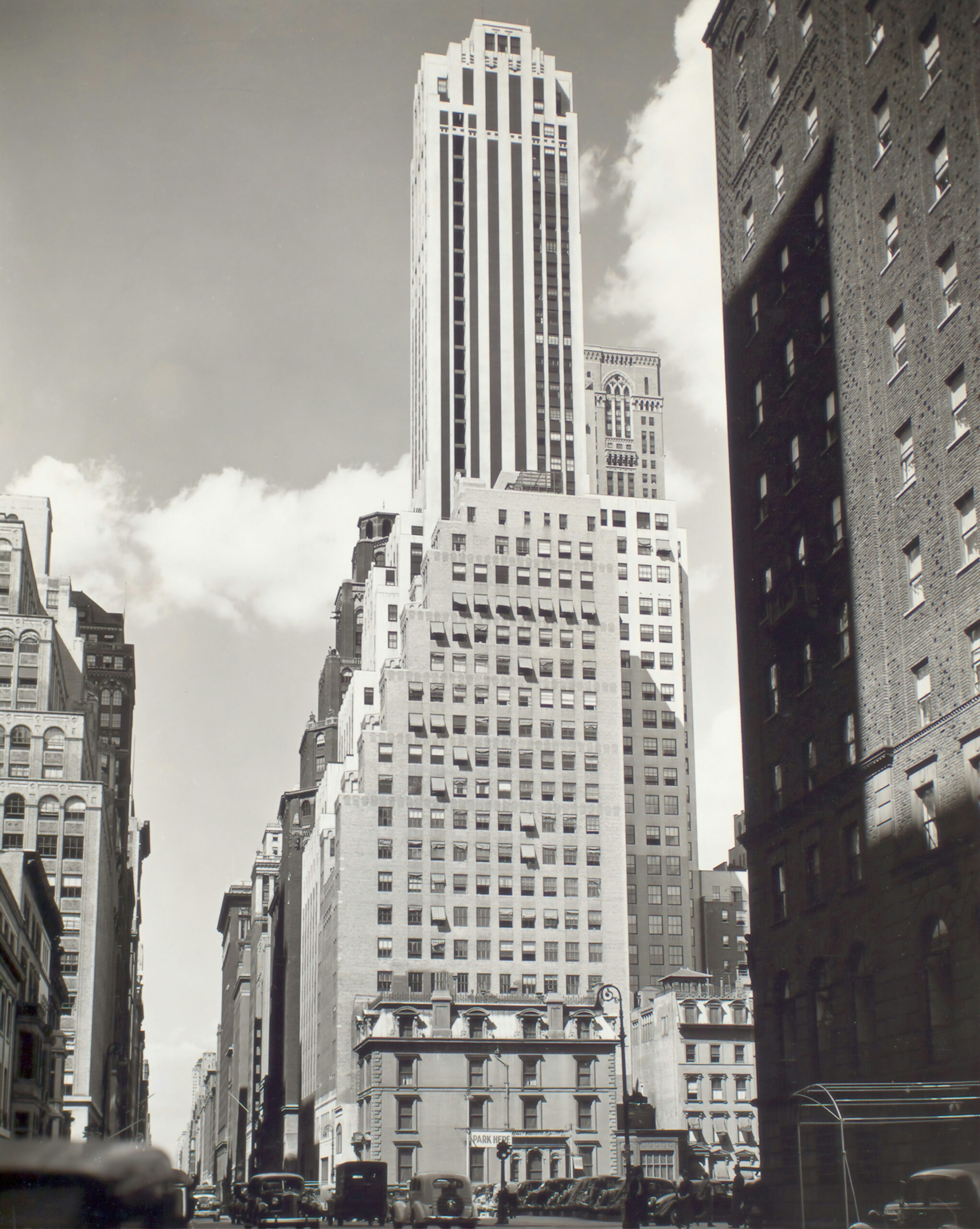
Throughout the 20th century, contemporary design often distanced itself from humanity’s origins. As if determined to prove its separation from the natural world, architecture and industrial design leaned into expressions of power and rigidity. The towering steel skyscrapers of New York symbolized progress, yet they also marked a departure from intuitive structures that once harnessed natural forces to support human life.

Designers like Frank Lloyd Wright, along with the broader Prairie School movement, challenged this separation. Their work invited people to notice how the natural world provides solutions when we choose to collaborate with it rather than override it.

Despite such efforts, technological advancement encouraged consumers to seek mechanical answers to nearly every problem—solutions that were often more complicated and less harmonious than the natural alternatives.

NOW

We’ve begun to re-learn a fundamental truth: what is natural is often what is most effective—for design, for performance, and for the planet. Borrowing from Earth’s own evolutionary intelligence gives designers an aesthetic and functional advantage, merging organic forms with modern expectations for performance.

Today, designers and engineers around the world are turning to natural systems to create intuitive, efficient products. These solutions meet heightened consumer demands while reducing unnecessary complexity.

Consider the Kranium helmet, inspired by the bone and cartilage structure of a woodpecker’s skull. Its cardboard construction replicates nature’s impact-absorption system—an elegant reminder that nature had already solved the problem.

Similarly, automotive design frequently looks to animal archetypes to communicate capability. The Dodge Challenger mirrors the stance and energy of a tiger poised to strike, signaling agility and power before it ever moves. Trucks echo the presence of charging bulls, expressing durability and force through silhouette and posture.

  • Nature’s blueprints continue to shape modern performance.

THE CHALLENGE

The ideal product delivers cutting-edge capability while feeling effortless—advanced on the inside, intuitive on the outside. These are the items we quickly consider indispensable.

Looking to the natural world as a problem-solver opens opportunities for innovation across categories: interiors, energy systems, transportation, textiles, and more. Nature offers models for efficiency, strength, adaptability, and sustainability—if we choose to study them.

The future of design doesn’t require reinventing the world. It requires learning from the one that already works.