




Skip to content

A New Paradigm of Personal Agency

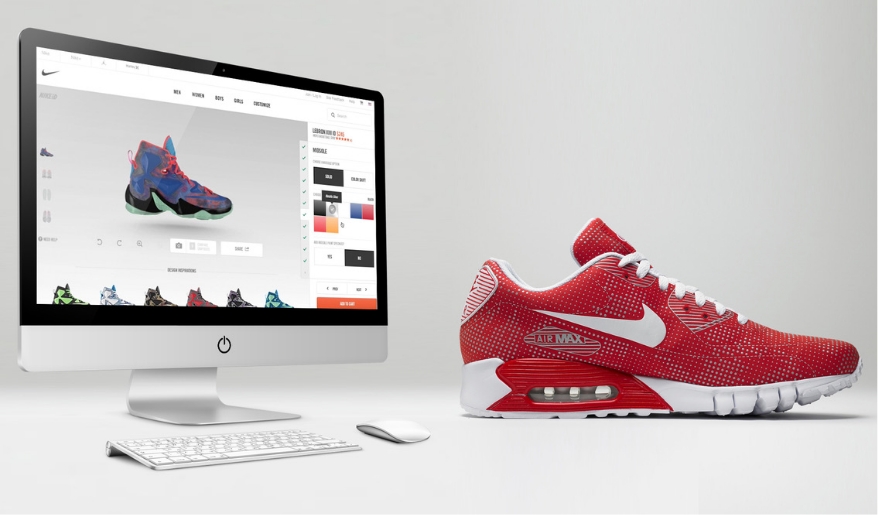
While working for NIKEiD, I experienced a business model that redefined how consumers engage with products. More than selecting colors, materials, or graphics, NIKEiD empowered athletes to tailor performance attributes—from midsole technology to outsole tooling—aligning each product with their precise needs and ambitions.

This segment of the Nike portfolio proved strikingly resilient during economic decline, continuing to grow at roughly 20 percent annually while holding its premium positioning. Even as the broader market softened, consumers sustained their drive to participate actively in both the shopping journey and the creation of the products they purchased. On average, they spent nine minutes per visit on the NIKEiD site—an early signal of how deeply audiences desired this level of engagement.

"...almost every person considers himself an individual with very personal, customized needs and desires."

Then

In the early era of mass manufacturing, technological advancements promised efficiency and affordability. Yet they also ushered in an unintended consequence: a steep decline in product customization. By the 1950s and 60s, a one-size-fits-all mindset dominated the marketplace. Individual preference became secondary as standardized products flooded mainstream retail.

Over time, this shift eroded consumers’ expectations. By the 1980s, highly uniform, mass-produced goods defined the landscape, and the value of a personalized purchasing experience had all but disappeared.

The Shift Back Toward Personal Expression

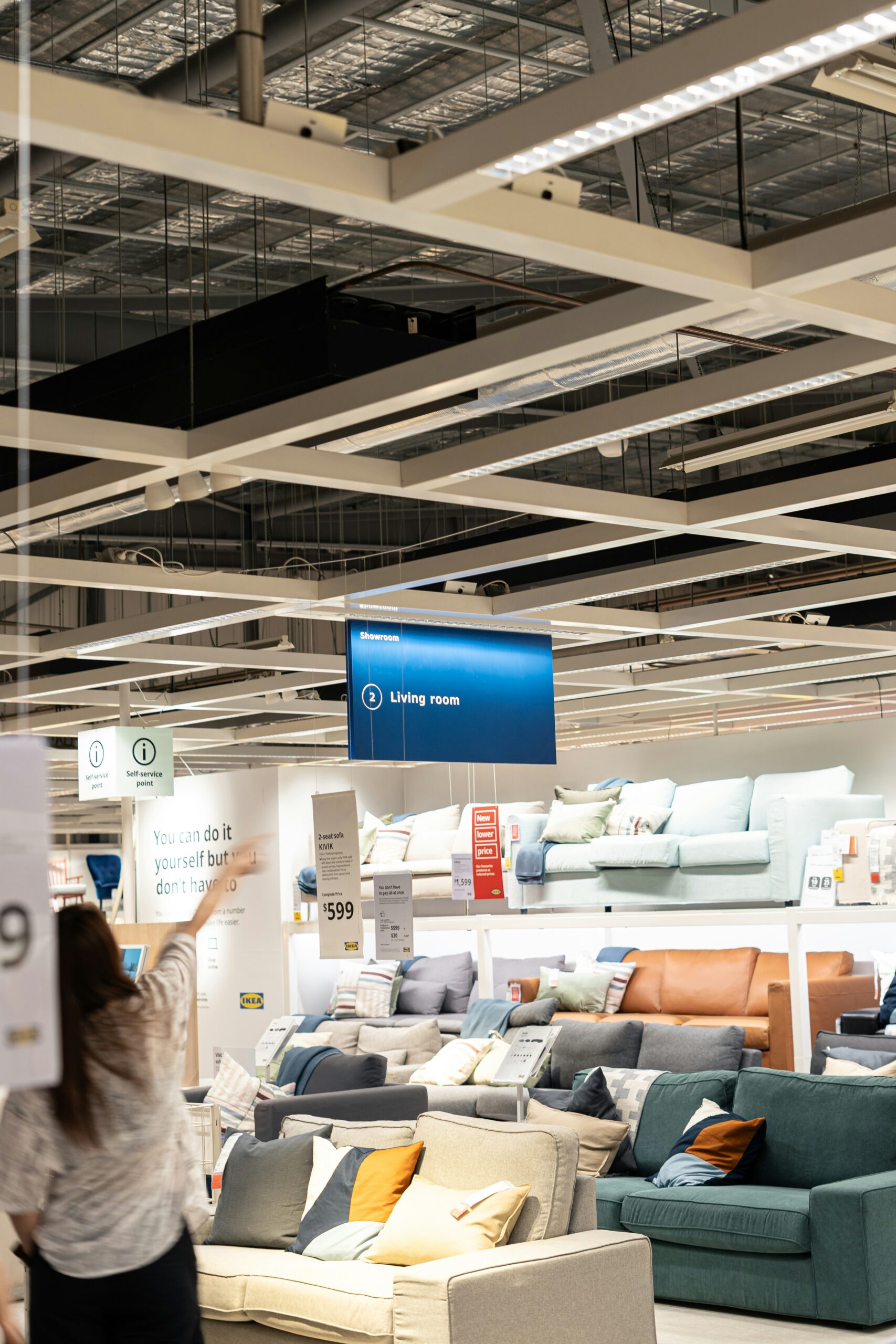
Stores like Target and IKEA democratized design, placing aesthetic agency directly in the hands of consumers. Quality design became accessible, and with that access emerged heightened expectations:

  • A desire for products that reflect authentic personal identity

  • Increased scrutiny of how brands support individualized expression

Despite the influence of trends, individuals ultimately seek goods that affirm their uniqueness. Authenticity, values, and self-representation guide modern purchasing behavior.

Today, customization is a Macrotrend that spans nearly every category—from dishwashers to cars to cardigan sweaters. Buyers want products that align with their specific lifestyle needs while signaling who they are and what they value. To meet this demand, brands must listen carefully, shaping offerings that satisfy functional requirements while enabling meaningful personalization.

Now

The pendulum has swung. Customization is not only back—it is expected. Even within a global mass-production economy, consumers increasingly prioritize craftsmanship, artistry, and boutique-like experiences.

The tradition of ordering something tailored to one’s needs resurfaces in models like NIKEiD, where interaction, participation, and co-creation define the experience. Yet customization now extends far beyond visual or technical preferences.

Digital platforms shape personalized experiences by continuously capturing and responding to user behavior.
Examples include:

  • Pandora, Last.fm, and iTunes Genius, which analyze listening patterns to refine recommendations

  • Starbucks, which enables customers to track and customize preferences through its app

This trend will only accelerate. As consumers articulate their needs and brands become more adept at capturing and interpreting feedback, personalization becomes a strategic imperative. Shopping platforms like Amazon—and social networks like Facebook and Twitter—invite users to linger, explore, and interact through tailored recommendations and contextual information.

The Challenge

Delivering a customizable, practical experience tailored to each buyer’s needs is demanding. At the heart of this Macrotrend is the creation of a feedback-driven ecosystem—one that listens attentively and adapts consistently.

The reward is profound: brands gain proximity to the pulse of consumer behavior. By integrating feedback into product evolution, companies stay ahead of emerging preferences rather than reacting to them.

Continuous dialogue becomes a competitive advantage, enabling brands to anticipate needs—even before consumers fully articulate them.