When I was a kid, I had a habit of building tree forts without blueprints. I would grab scrap wood, climb higher than I should, nail one improvised piece to another, and hope gravity worked in my favor. It rarely did.
That lesson stayed with me because building a brand isn’t all that different. Intuition, inspiration, and sudden breakthroughs matter—but the great brands, the ones that survive trends, platforms, and leadership changes, are never accidents. They are built with intention and supported by a system.
Why Strategy Matters
Before sketching logos or choosing colors, you need clarity. Strong brands emerge from alignment—the kind that connects vision, operations, audience, and market opportunity. Without this foundation, even the most innovative creative work struggles to endure.
A brand strategy provides:
A structured lens for decision-making
A cohesive narrative to unify teams and guide creativity
It distills the intangible—ambition, culture, values—into a foundation that shapes every expression of the brand.
At Watson, we call it a research-based creative approach. That’s not code for boring. It’s how we turn chaos into clarity. Before a single logo is sketched or tagline tossed around, we dig deep. We listen harder than we talk. We treat a brand not as a veneer, but as a reflection of culture, values, and behavior.
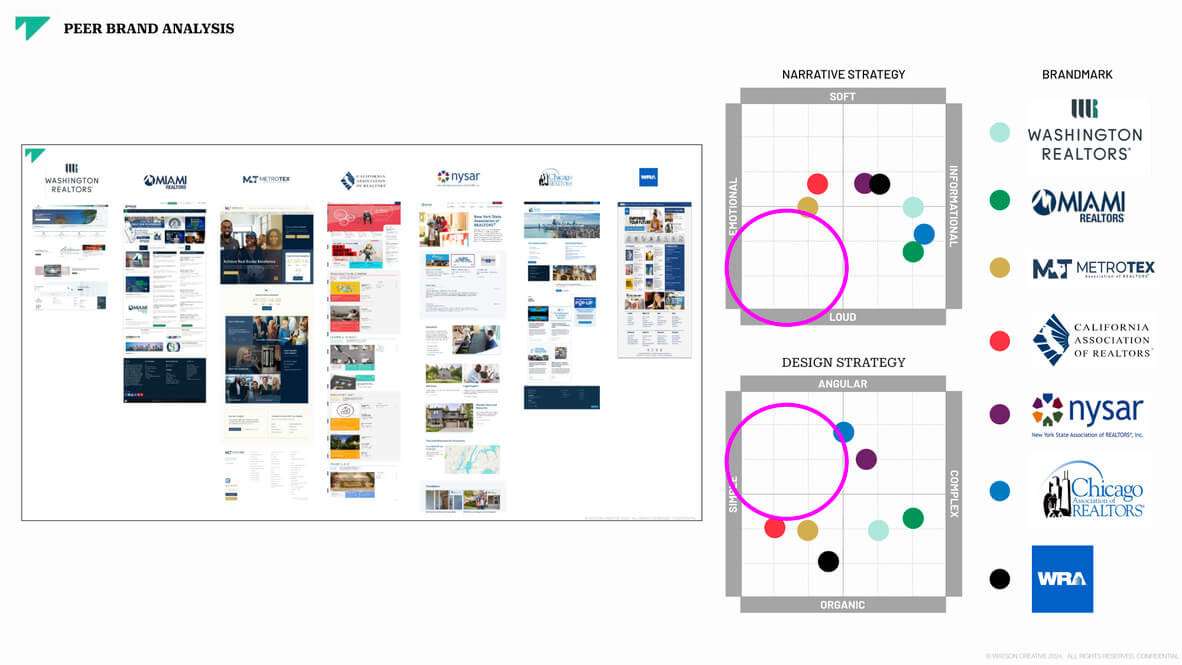
Step 1: Understand the Landscape
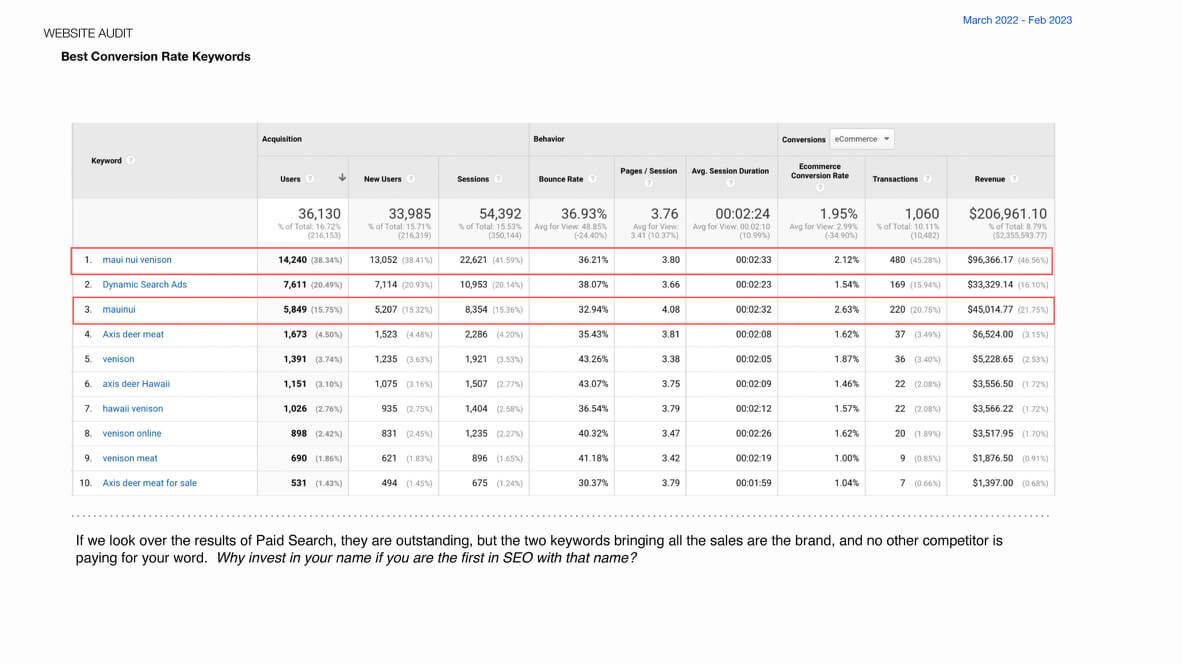
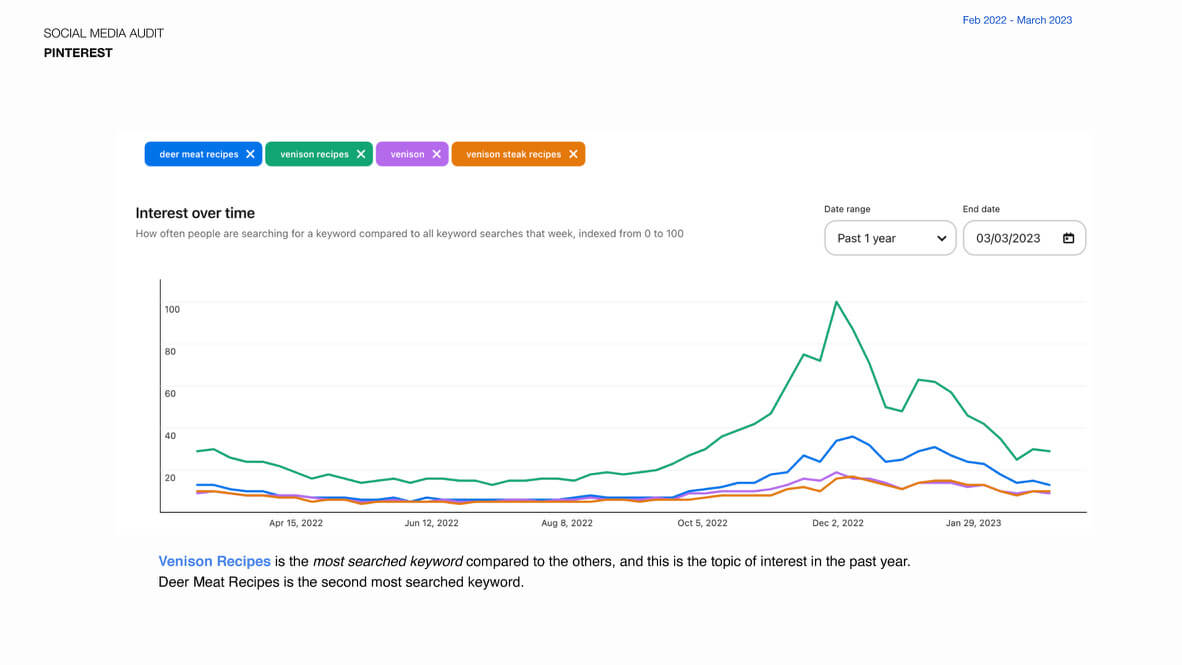
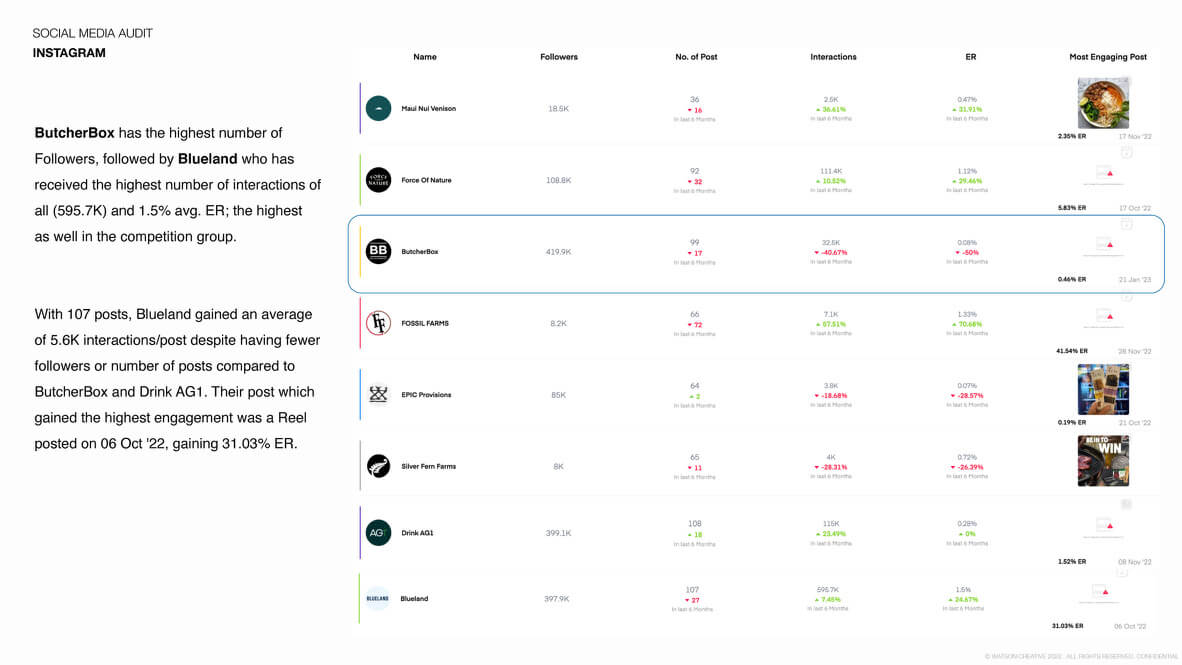
A successful brand begins with awareness. You must understand the competitive environment, the cultural context, and the expectations of the people you hope to reach. This is more than collecting data; it’s about interpreting patterns and identifying opportunities.
Key questions include:
Who are the established players, and what do they signal to the market?
Where do unmet needs or emotional gaps exist?
Effective research clarifies where you stand and where you can lead.
Step 2: Know Your Audience
Great brands speak with precision because they understand whom they are speaking to. This requires going beyond demographics to explore motivations, frustrations, and aspirations.
Audience insights shape everything—from messaging to product experience. When you know what matters to your audience, you build resonance, and resonance builds loyalty.
Step 3: Define Your Positioning
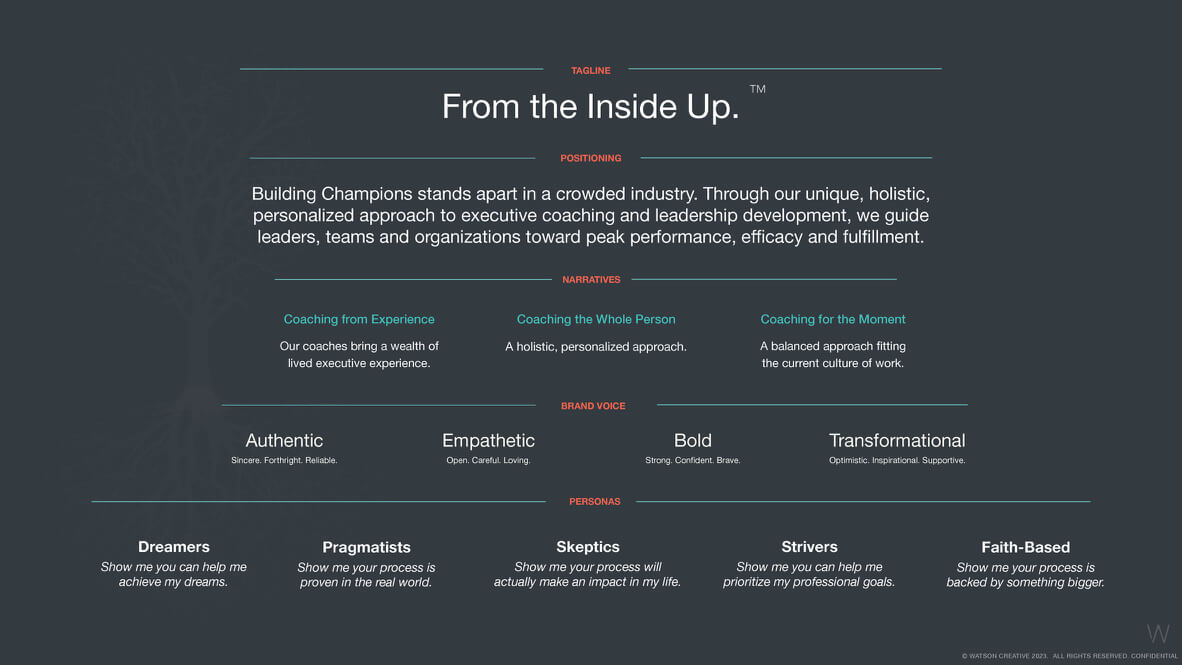
Positioning is the disciplined articulation of what makes you distinct. It answers the strategic question: Why choose us?
A compelling positioning statement is focused, authentic, and defensible. It provides clarity for your internal teams and confidence for those encountering your brand for the first time.
Step 4: Establish Your Brand Architecture
As organizations evolve, complexity grows. Products multiply. Services expand. Audiences diversify. Architecture offers structure—defining how each piece relates to the whole.
Whether you adopt a branded house, a house of brands, or a hybrid model, the goal is the same: clarity that supports growth.
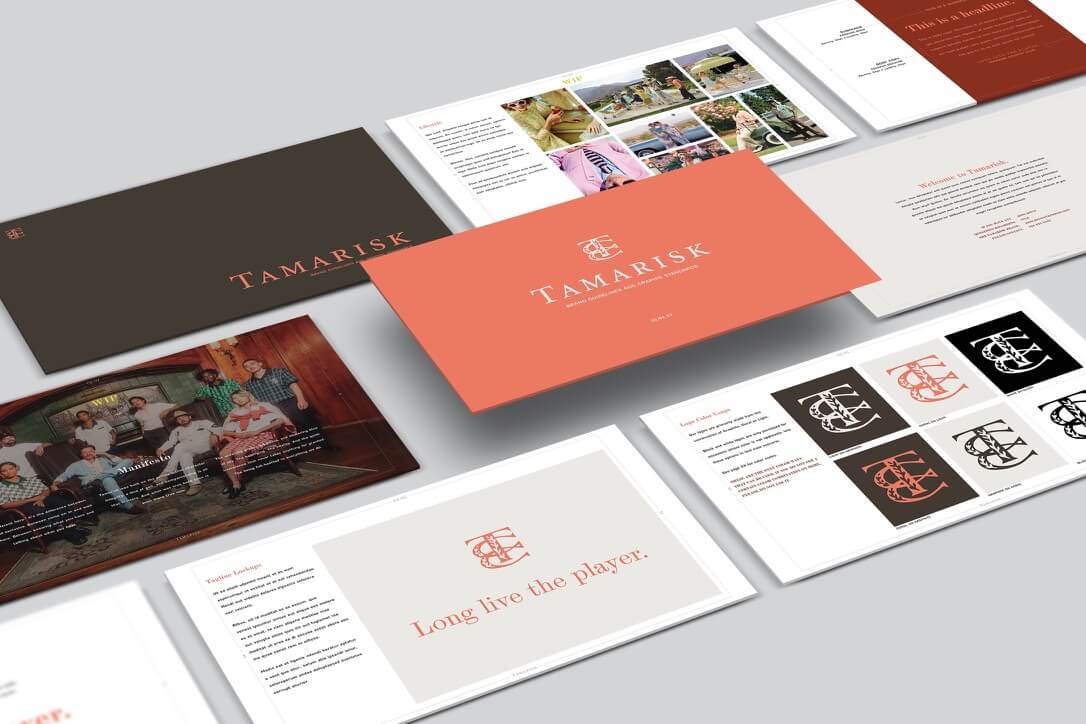
Step 5: Build Your Identity System
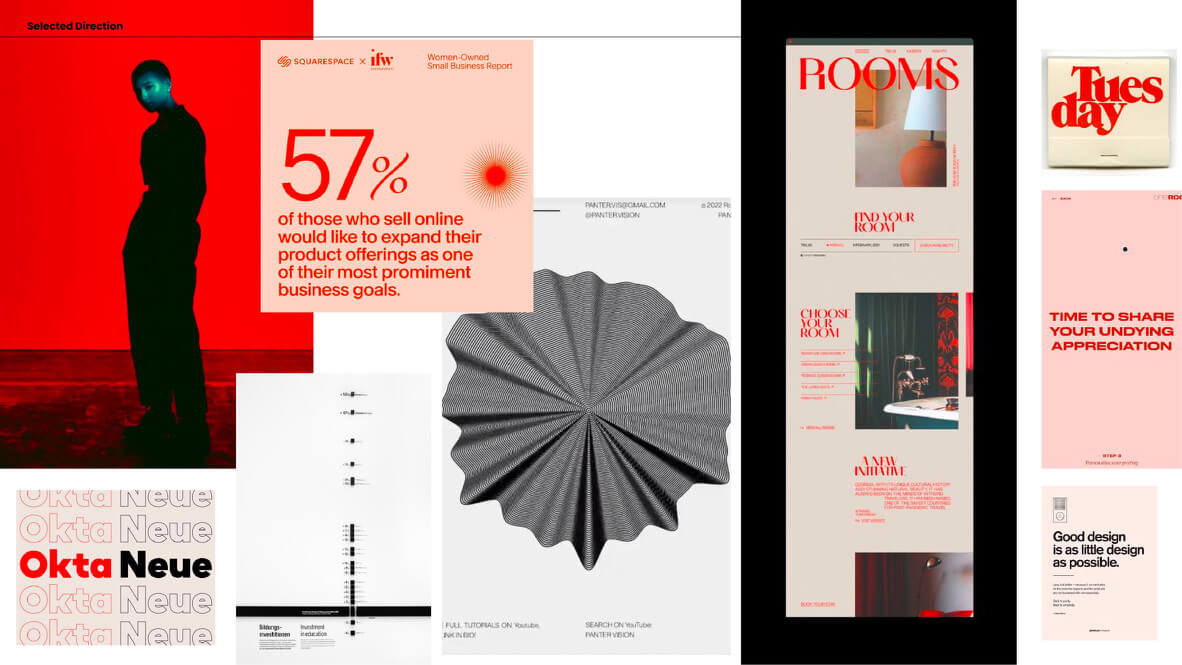
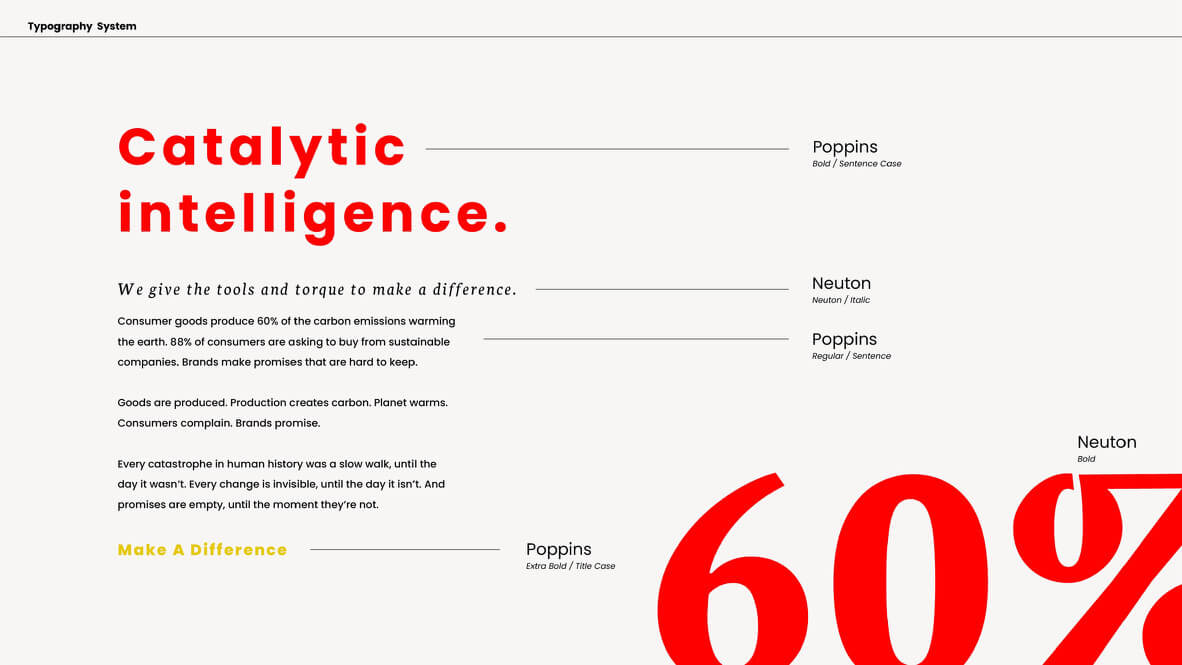
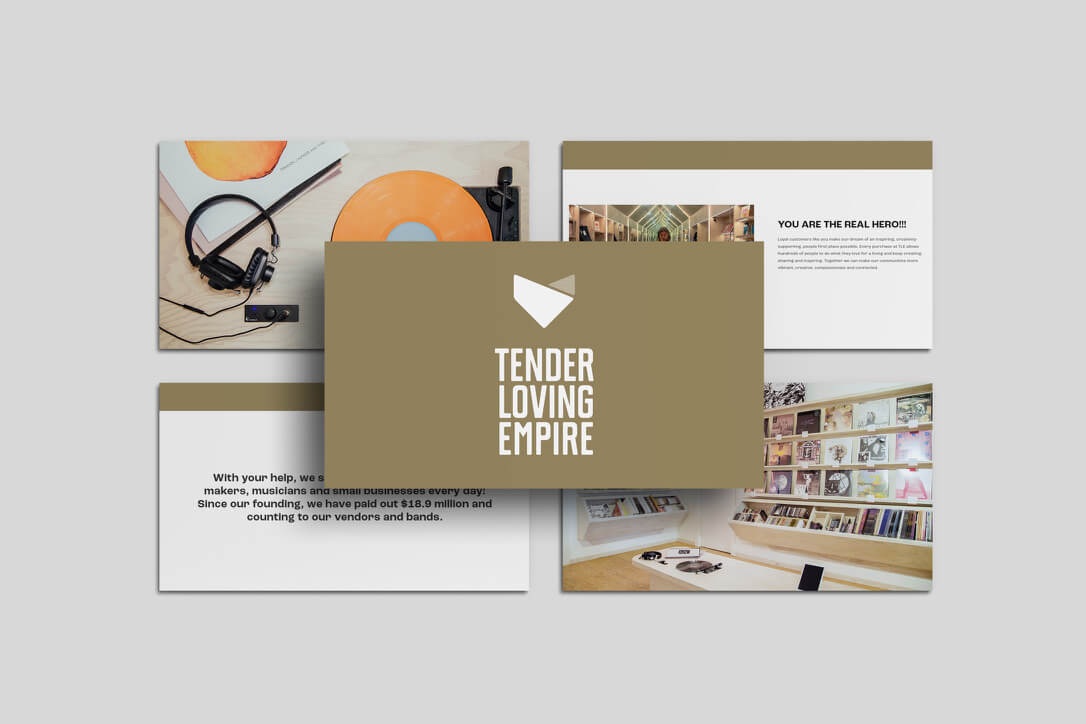
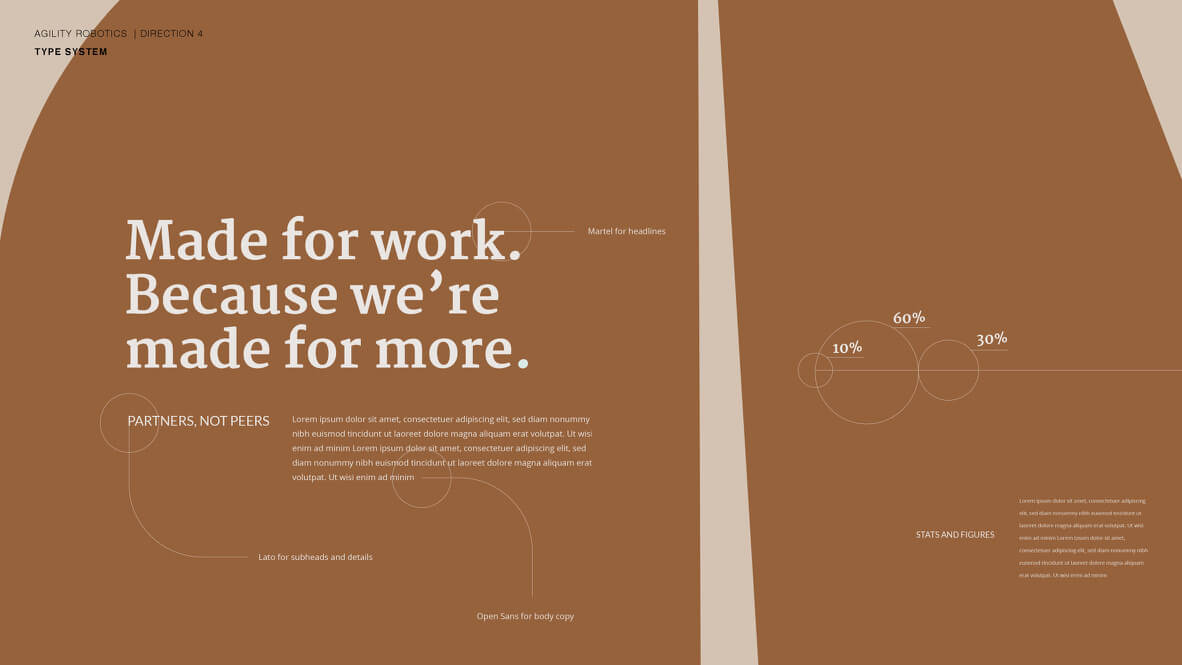
Once the strategy is in place, identity becomes the expression of that system. The logo, typography, color palette, imagery, and voice all work together to translate strategy into experience.
A strong identity system is:
Flexible, adapting across platforms and use cases
Cohesive, reinforcing a recognizable point of view
Identity is not decoration—it is communication.
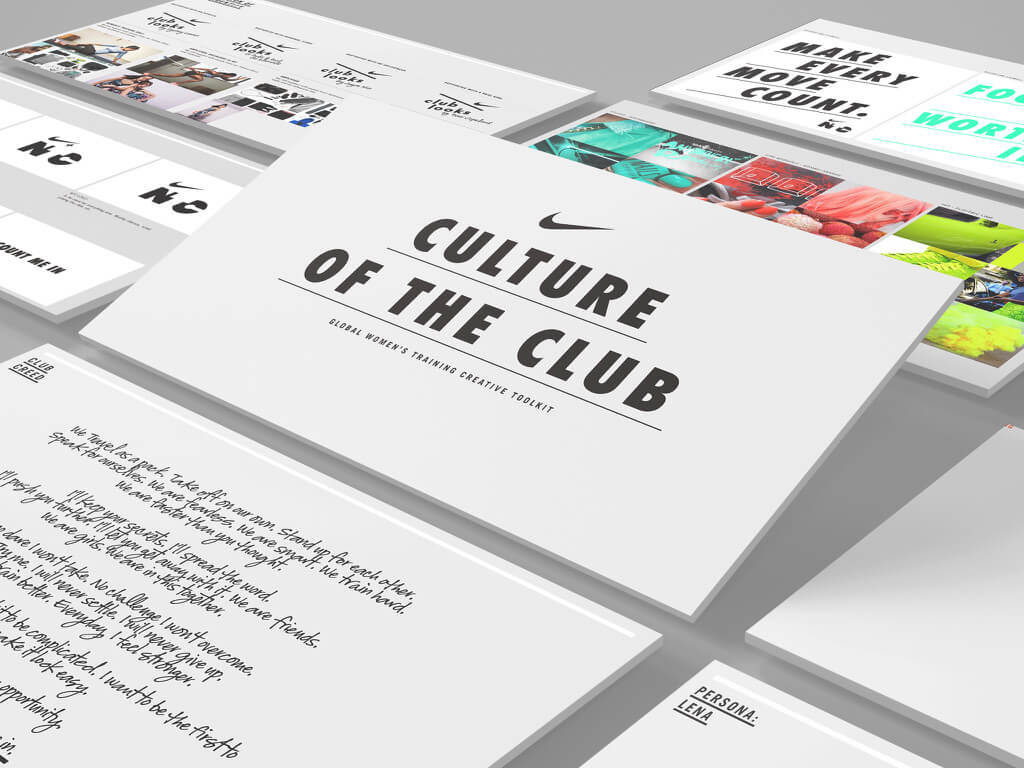
Step 6: Create Tools People Actually Use
Guidelines, templates, and assets matter only if they empower teams. Successful brands provide tools that are intuitive, accessible, and built for real-world application.
The goal is consistency without rigidity—a framework that invites creativity while preserving coherence.
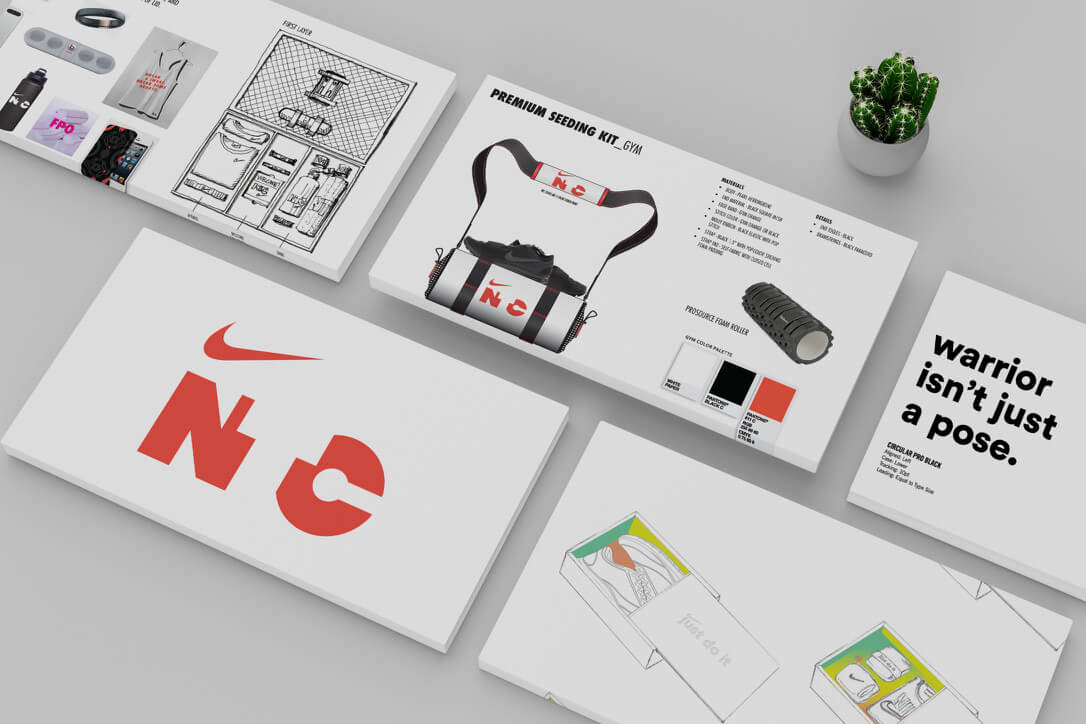
Step 7: Activate the Brand
A brand becomes real when it enters the world. Activation connects strategy and identity to the customer experience through launch campaigns, digital presence, physical environments, and organizational behaviors.
Every touchpoint should reinforce the same core message. Activation is where alignment becomes momentum.
Step 8: Measure, Refine, Evolve
Brands are living systems. They require attention, adaptation, and periodic recalibration. Success lies in continuous learning—understanding what resonates, adjusting when needed, and evolving with purpose.
With each refinement, the brand becomes stronger, more relevant, and more resilient.
Closing Thoughts
At Watson, we have seen consistently that powerful brands are intentional brands. They blend vision with rigor, creativity with discipline. Whether you’re leading a startup or stewarding a legacy organization, the steps toward a meaningful identity remain the same: understand, define, design, activate, and evolve.
Building a brand is not about perfection. It is about commitment—to clarity, to authenticity, and to the people you serve.