


From Athletes to Applicants: What Great Teams Teach Us About Employer Branding


Before the paycheck, there was the team.
Sometime in the early 1990s, Steve Smith took a call from Nike.
At the time, Steve was already one of the most interesting footwear designers in the business. He was at Reebok, then one of the most powerful companies in sport, and would go on to be known for some of the most recognizable sneaker designs of the era, including the Reebok Instapump Fury. His career eventually stretched across Reebok, Nike, Adidas, New Balance, Yeezy, and other brands, which is a ridiculous run by any measure. But the part of the story that stayed with me was not just the product work. It was what he saw when he visited Nike. Reebok had overtaken Nike in the mid-1980s and was still outpacing Nike in annual sales in 1989, with $1.82 billion compared with Nike’s $1.71 billion. On paper, Reebok looked like the stronger company.
Steve once told me that when Nike flew him out to Oregon, he could feel the difference almost immediately. He met the team, saw the culture, and felt the momentum in the room. This was not just a company trying to hire another designer. It was a group of people moving with conviction, charisma, and a little healthy irreverence. They believed sport could become something bigger, and they seemed just unreasonable enough to make it happen. He told me he knew Reebok was going to be in trouble because Nike had something rare: a culture where people believed in the impossible, and then went to work like it was inevitable.
That story has always stuck with me because it captures something most companies struggle to name. Great teams have a force that does not show up neatly on a balance sheet. You can feel it before you can measure it. It lives in the way people talk about the work, the way they challenge each other, the way they carry the mission into small decisions, and the way a candidate can walk into the building and sense that something is already in motion. Steve was not just evaluating a job. He was evaluating a team. He was asking, whether consciously or not, “Do I want to be part of this?”
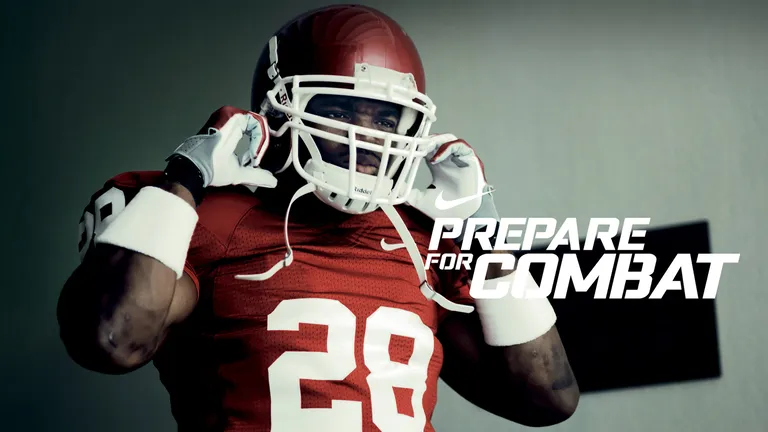
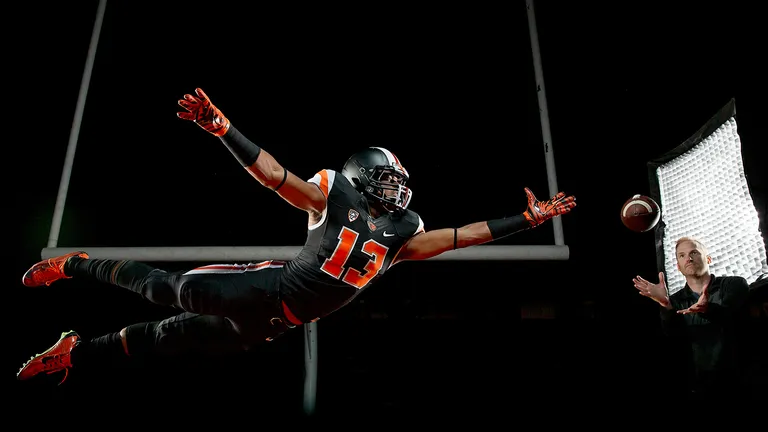
I saw that same pattern over the years with athletes and teams around the world: global soccer clubs, NFL organizations, universities, baseball teams, Olympic athletes, and the many people around them who rarely get the spotlight. The strongest teams were not always the ones with the most obvious talent on paper. Talent matters, of course. But talent alone rarely explains why some teams become great. The strongest teams had belief, morale, trust, shared standards, and a culture that made the hard parts feel worth it. There was a sense that everyone was contributing to something larger than themselves, even when their role was not the one being interviewed after the game.
That question has stayed with me ever since: how do you bottle that up? How do you multiply it? How does an organization create the conditions where people do not just show up for a paycheck, but for a team, a mission, and a standard they want to be part of? For employers, that work starts long before the job posting. It starts with positioning. It starts with knowing who you are in the marketplace, not only by the products and services you sell, but by the culture people are being invited to join. Employer branding, at its best, is the story of that invitation. It helps people understand the team before they become part of it. Before there is compensation, there is commitment. And the best recruitment stories begin there.












What Great Teams Understand About Motivation
Great teams rarely run on compensation alone. Pay matters. Benefits matter. Stability matters. Nobody does their best work for long if the basics are broken. But compensation by itself does not create belief, resilience, pride, or the kind of commitment that holds when the work gets hard. What sustains people is clarity. What game are we playing? What does winning look like? What role do I play? Who is coaching me? Who am I accountable to? How do I get better here? What does this team stand for when pressure shows up?
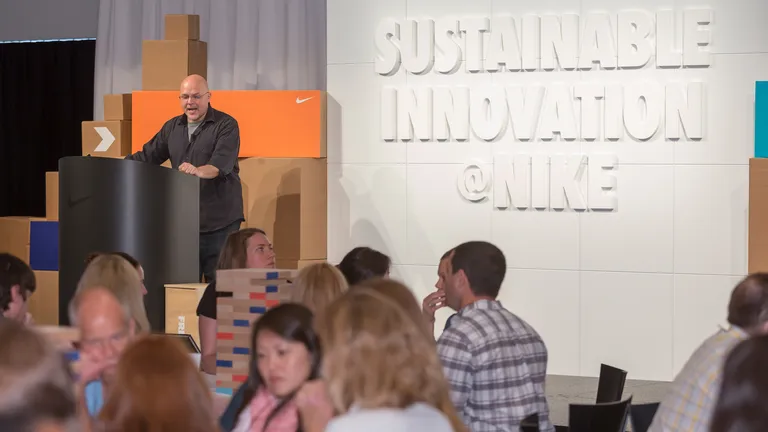
The best teams answer those questions constantly, sometimes through language and sometimes through behavior. At Nike, ideas like “there is no finish line,” “master the fundamentals,” “be on the offense,” “simplify and go,” and “do the right thing” were never just lines on a wall. At their best, they became ways of working. They gave people a shared language for decisions, standards, pace, responsibility, and ambition. Shared language creates shared expectations. Shared expectations become culture when people actually live them.
Employer branding has to do the same work for candidates before they apply. It should not simply announce that an organization is hiring. It should help people understand what they are being invited into: this is who we are, this is what the work asks of you, this is how we support each other, this is what you can become here, and this is why it matters. A strong employer brand does not just attract talent. It teaches people how to understand the team.
The Problem: Most Recruitment Marketing Is Still Too Transactional
Many organizations still approach recruitment like a media buy attached to a job description. Promote the opening. Push people to apply. Compete on pay, benefits, urgency, or convenience. Measure clicks, applications, and cost per lead. There is nothing wrong with measuring performance, and there is nothing wrong with making the opportunity easy to find. The problem is when the whole effort stops there.
That kind of recruitment marketing can produce activity, but activity is not the same as belief. It may attract people who are curious, but not committed. It may increase application volume without improving fit. It may sell the job without helping candidates understand the work, the culture, the standard, or the reality of what they are stepping into. In sport terms, it gets people to try out without helping them understand the team.
This is where recruitment marketing has lost some of the plot. It has become too focused on filling seats and not focused enough on building teams. Too many career pages feel interchangeable. Too many job descriptions are written for compliance, not clarity. Too many applicant systems feel cold or confusing. Too many hiring processes go quiet long enough for good people to move on. Too many messages focus on perks while avoiding purpose, expectations, and culture.
The bigger cost shows up later. Candidates misunderstand the role. Employers overpromise culture and underdeliver experience. New hires arrive with one story in their head and encounter another one on the ground. That mismatch drains trust quickly. When recruitment marketing sells harder than it clarifies, everyone pays for it later.
Employer Branding Is the Promise of the Team
Employer branding is not a slogan, a careers page, or a culture video. Those things can help carry the story, but they are not the story itself. Employer branding is the promise of what it means to belong to an organization and contribute to its work. It is what a candidate hears before they apply, what they experience while they are being considered, and what they discover after they join.
At its best, employer branding answers three simple questions. Why this work? That is the mission, the purpose, the impact, and the relevance of the organization in the world. Why this team? That is the culture, the standards, the leadership, the peers, and the community that make the work feel worth doing. Why me here? That is the role, the growth path, the contribution, and the future value of the experience for the person considering it.
That last question matters more than many organizations realize. The best candidates are not only evaluating a title or a compensation range. They are asking whether the role belongs in the story they are trying to build for themselves. Will this make me better? Will I be proud to have spent time here? Will this become a meaningful chapter, not just another line on a résumé?
A strong employer brand helps people see the job as more than an opening. It can be a credential, a growth environment, a proving ground, a community, and a place where their work will matter. The best employer brands help people see the role as a chapter they would be proud to carry forward.
What We’ve Learned Across Athletes, Nonprofits, Product Companies, and First Responders
One of the gifts of working across very different worlds is that you start to see the same human pattern in different uniforms. Athletes, nonprofits, product companies, B2B teams, public agencies, healthcare organizations, first responders, and global brands may not share the same language, but the deeper motivation is often familiar. People commit more fully when the story is bigger than the transaction. They want to know what the work means, who they are doing it with, what standard they are being asked to meet, and why their contribution matters.
The team is a structure for becoming better
In sports and outdoor cultures, that motivation is easy to see because the rituals are visible. Practice, recovery, coaching, competition, travel, film study, repetition, and accountability all become part of the identity. Athletes understand that the team is not just a container for talent. It is a structure for becoming better. The same is true inside strong organizations. People want to know the standard. They want to know how to improve. They want to feel that the people around them are serious enough to make them sharper, not just busier.
Mission-driven organizations show the same truth from a different angle. In nonprofits, public service, healthcare, and cause-based work, people often accept hard work, ambiguity, emotional weight, and limited resources because they believe in the cause. But belief still needs shape. A mission that stays vague cannot carry people very far. The work has to be made clear enough to sustain energy. People need to understand the community being served, the change being pursued, and the role they play in moving it forward. Purpose is powerful, but only when people can find themselves inside it.
Meaning often has to be translated before it can be felt
Product companies and B2B organizations face a different challenge. Some are building things that change behavior, improve systems, make industries safer, or solve problems most people never see. The work may be meaningful, but the meaning is often buried inside complexity. That is especially true in B2B, where the talent-market visibility may be far lower than the actual value of the company. The recruiting challenge becomes translation. How do you make technical work feel human? How do you show the stakes? How do you help a candidate understand that this role is not just a job inside a company, but a chance to build something useful with people who care about doing it well?
First responder recruitment may be the clearest example of why employer branding cannot be treated like ordinary advertising. Public safety candidates are not simply evaluating compensation and benefits. They are weighing service, sacrifice, training, danger, family impact, community trust, psychological readiness, and long-term identity. The question is not only “Can I do this job?” It is “Can I become the kind of person this work requires?” That demands a recruitment story with honesty and respect. It has to show the pride and the weight of the work.
Across all of these categories, from athletes to applicants, the best recruitment brands do the same thing. They make the work clearer, the culture more believable, and the invitation more meaningful. They do not flatten the hard parts. They give people enough truth to decide whether they want to step in. That is where the right people begin to lean forward.
The Candidate Journey: From Inspiration to Understanding
The candidate journey is often treated like a straight line from awareness to application. Someone sees an ad, clicks through, reads the job description, and applies. That may be how the reporting is organized, but it is not how people actually make decisions. Choosing a role is a process of understanding. It moves through recognition, curiosity, clarity, confidence, commitment, momentum, and eventually validation.
Recognition sounds like, “I see myself in this.” Curiosity says, “I want to know more.” Clarity is where the candidate begins to understand the role, the expectations, and the kind of team they would be joining. Confidence is more personal: “I believe I could belong here and succeed.” Commitment is the moment they are ready to take the next step. Momentum is what keeps them engaged through the process, especially when hiring takes longer than anyone would like. Validation comes later, when the experience after hire matches the promise that brought them in.
This is where employer branding has to become operational. The story cannot live only in the campaign. It has to show up on the career landing page, in the job description, inside the application flow, through recruiter communication, in automated updates, and across every handoff. An applicant tracking system may not feel like a brand tool, but it is one. So are email, SMS, interview prep, status updates, and reporting. These are the places where interest either becomes trust or starts to fade.
A great recruitment campaign creates interest. A great candidate journey turns interest into understanding, confidence, and commitment.
Why Nurture Matters: Silence Is Not Neutral
Once someone raises their hand, the brand has a responsibility to respond. That does not mean every candidate gets the job. It means every candidate should understand where they are, what happens next, and why the process matters. The moment a person applies, signs up, asks for information, or starts a conversation, the employer brand moves from message to behavior.
Momentum is part of the experience
This matters even more in long-cycle hiring. First responder roles, specialized B2B positions, healthcare jobs, and enterprise recruiting processes can take weeks or months. Candidates may be preparing for tests, talking with family, weighing risk, comparing offers, or simply wondering whether anyone on the other side is still paying attention. In those moments, reminders, updates, preparation, and stage-based communication are not administrative details. They are signs of momentum.
Sport teaches the same lesson. Coaches do not build commitment through silence. They build it through feedback, repetition, clarity, standards, and belief. The hiring process should do the same. A simple update can keep someone engaged. A clear next step can reduce anxiety. A thoughtful message can remind a candidate why they raised their hand in the first place.
Silence in a hiring process is not empty space. It is a message, and usually not the one the employer intended to send.
Delivering on the Promise After Hire
If recruitment marketing promises growth, purpose, belonging, mentorship, innovation, or mission, the employee experience has to deliver. Otherwise, the brand starts to collapse after the offer letter. People are remarkably quick to recognize the difference between a real culture and a recruiting story that was written a little too generously.
This is where the idea of “there is no finish line” becomes more than a sports line. Employer branding does not end when a candidate accepts. The finish line keeps moving through onboarding, manager communication, team integration, training, growth, internal recognition, culture rituals, employee storytelling, retention, and referrals. Every one of those moments either proves the promise or weakens it.
Recruitment and retention should not be treated as separate stories. The same idea that attracts people should help guide how they are welcomed, trained, coached, and developed. If the promise is growth, people need feedback and opportunity. If the promise is belonging, people need real connection and trust. If the promise is mission, people need to see how their work moves it forward.
The employee experience is where the employer brand either becomes culture or becomes copy.
What Better Recruitment Marketing Should Measure
Better recruitment marketing measures more than attention. It measures alignment. Clicks, impressions, applications, and cost per lead can tell you whether people noticed the opportunity. They do not always tell you whether the right people understood it, believed it, stayed with it, or succeeded after joining.
The better questions are more useful. Are qualified candidates entering the pipeline? Which sources produce people who move forward? Where do candidates drop off? How quickly do they respond? Do they complete the application? Do they show up for interviews? Do they accept offers? Do they stay? Do hiring managers feel confident in the fit? Do new hires understand the role they accepted? Are employees proud enough to refer others?
That kind of measurement connects the campaign to the team being built. It helps organizations see bottlenecks, communication gaps, candidate quality, source performance, and the distance between the promise and the experience.
The question is not only “Did they apply?” It is “Did they understand, believe, stay engaged, and succeed?”
Build the Team Before They Join It
An athlete is part of the team long before the scoreboard proves anything. They learn the language. They absorb the standards. They trust the coach. They find identity in the work. Over time, effort stops feeling like sacrifice and starts feeling like investment.
That is what great employer branding can do. It gives candidates a clearer picture of the work, a more honest understanding of the culture, and a stronger reason to bring themselves fully into the process. It does not chase everyone. It speaks clearly enough that the right people lean in and the wrong people can opt out with respect. That is not a failure. That is clarity doing its job.
Recruitment marketing is not the art of making jobs look attractive. It is the discipline of making the right opportunity clear, credible, and meaningful to the people who can help move the mission forward.
The best employer brands do not just fill roles. They build belief before the first day, and culture long after it.
FAQ
What is recruitment marketing?


Recruitment marketing is the use of brand strategy, content, campaigns, career sites, and candidate communication to attract, engage, and convert qualified applicants. It is the marketing discipline focused on how a company presents itself as a workplace, not only what it sells. It is where employer brand meets audience.
What is employer branding?
Employer branding is the way an organization defines, communicates, and delivers its promise as a place to work. It is not a slogan, careers page, or culture video. A strong employer brand helps candidates understand what belonging to that team actually means, before they apply and after they join.
What is the difference between employer branding and recruitment marketing?
Employer branding defines the promise. Recruitment marketing activates that promise. Employer branding answers, 'Why would the right person want to work here?' Recruitment marketing turns that answer into campaigns, career pages, and conversations that reach the right candidates. The strongest hiring outcomes happen when both work together.
Why does employer branding matter in recruitment?
Employer branding matters because candidates evaluate an organization long before they apply. They look at Glassdoor, LinkedIn, social content, and even the tone of a job posting. A strong employer brand shapes what candidates believe about the company before they ever apply. A weak one creates friction: unclear roles, low trust, and candidates who never feel invited.
Why does great recruiting start with belief, not benefits?
Great recruiting starts with belief because pay, benefits, and stability alone rarely sustain commitment. The best teams create belief that the work matters, that the people are worth showing up for, and that being on the team makes them better at what they care about. Great employer brands are built on something people want to be part of, not just paid for.
How does candidate experience affect employer brand?
Candidate experience affects employer brand because every interaction in the hiring process communicates something. Ease of understanding the role, simplicity of the application, speed of response, and clarity of next steps all shape how candidates perceive the organization. The candidate experience is where the employer brand moves from message to behavior.
Why is the applicant tracking system part of the employer brand?
The applicant tracking system, or ATS, is part of the employer brand because it shapes how candidates apply, receive updates, and move through hiring. An ATS may look like back-end infrastructure, but candidates feel it directly. Confusing or silent systems weaken the brand promise. Clear, human, well-timed communication strengthens it.
What is candidate nurture in recruitment marketing?
Candidate nurture is the ongoing communication that keeps potential applicants and active candidates engaged across the hiring process. It matters because interest fades when candidates feel ignored, especially in long-cycle hiring like public safety, healthcare, or specialized B2B roles. Silence is not neutral. Nurture gives the brand a voice when the process takes time.
How can employers reduce candidate drop-off?
Employers reduce candidate drop-off by making the hiring process clearer, easier, and more responsive. That means explaining the role clearly, simplifying the application, setting expectations for timing, and communicating consistently between steps. The goal is not just to keep people in the funnel. It is to help the right people stay committed and confident.
What are the most important recruitment marketing metrics?
The most useful recruitment marketing metrics measure alignment, not just attention. Impressions, clicks, and applies are useful, but they do not show whether the right people are entering the pipeline. Important metrics include qualified applicant volume, source quality, candidate drop-off points, time between steps, and eventual retention. The better question is not 'Did they apply?' but 'Did they understand, believe, stay engaged, and succeed?'
What should a strong careers page include?
A strong careers page should answer the questions candidates bring to the decision. It should explain the mission, describe the team culture, show real work environments, share employee voices, clarify how to apply, and give a sense of what happens after the offer letter. The best careers pages are candidate journeys, not internal HR content on a website.
What makes first responder recruitment different?
First responder recruitment is different because candidates are evaluating service, risk, identity, family impact, training, and long-term commitment, not just a job title. The process is often longer and more complex, moving through testing, interviews, background checks, psychological evaluation, medical review, and academy timing. The employer brand has to sustain belief across every step.
Why do B2B companies need employer branding?
B2B companies need employer branding because candidates may not immediately understand what the company does, why the work matters, or what daily life inside the team looks like. B2B brands often carry technical depth without cultural visibility. Employer branding translates complex work into clear meaning, so the right candidates can recognize themselves in the role.
How does employee experience affect recruitment marketing?
Employee experience affects recruitment marketing because it proves whether the employer brand promise is real. When the experience matches the promise, employees become advocates. They refer others, share stories, and help future candidates trust the process. The employee experience is where the employer brand either becomes culture or becomes copy.
How can Watson help with recruitment marketing and employer branding?
Watson connects employer brand strategy, messaging, creative, content, digital experience, and recruitment technology into one system. The starting point is often a positioning exercise that clarifies what makes the organization worth working for. Watson turns that strategy into practical tools, and for public safety agencies, the Respond Capture platform. The goal is not just more applicants but the right ones.