


Why Emotion Outperforms Logic—and What Brands Can Learn from Nike’s 41% Win

I Didn’t Believe It Until I Saw It
There’s a moment I still return to. San Diego. A high school kid slipped into a pair of Nike Free 5.0s, took two steps, and smiled.
“Float like a butterfly, sting like a bee,” he said.
That line wasn’t from a brief, a dataset, an agency deck, or a strategist’s framework. Yet it changed everything.
It became the spark behind the final visual: an all-red butterfly—abstract, surreal, built on movement and emotion. Red was the worst-performing colorway for the shoe. The design was irrational. We even changed the tagline. Still, that single creative direction delivered a 97% click-through rate and 41% purchase conversion—the kind of number that makes marketers pause mid-sip.
It took a decade in this industry—and one humbling Nike experiment—to finally understand the power of irrational, research-grounded creative. That moment revealed a truth: the difference between good and great isn’t logic. It’s the feeling you trust before pen meets paper.
Why Creative That Converts Isn’t Always Rational
The rational mind gravitates toward safe bets: the best-selling color, the tidy feature list, the lifestyle photo tested to hit demographic marks. These comforts dominate marketing playbooks.
Early in the Nike Butterfly project, we stayed in that lane.
- Day 1: Best-seller colorway. Result: 3% click rate.
- Day 2: Added features and a curled-up product pose that consumers loved. Clicks rose to 7%, purchases to 5%.
But on Day 5, we abandoned logic. We introduced the bold red butterfly with the off-brief tagline “Super Natural Move.” That execution delivered 97% CTR and 41% conversion.
This is the strength of irrational, research-informed creativity. It doesn’t ignore data—it transcends it.
The Role of Ethnographic Research in Unleashing Irrational Ideas
Before designing a single butterfly, we traveled. Miami’s Coast Guard base. Olympic athletes in Colorado Springs. CIA operatives in D.C. Students in San Diego. We listened. We watched. We absorbed.
We didn’t arrive with creative ideas in hand—we arrived with curiosity.
At the Air Force Academy Chapel, surrounded by color and light, we remembered why creativity matters. In San Diego, that student quoting Ali connected a decade of instinct with something deeply human: emotion.
That insight didn’t come from a focus group. It came from being present.
From B2C to B2B: Why This Matters More Than Ever
What can B2B brands learn from a Nike sneaker experiment?
Everything.
Many B2B companies over-index on rationality—white papers, case studies, feature-dense decks. But their buyers remain human. They respond to story, beauty, surprise, and confidence.
We’ve applied this approach for clients across industries:
- For ESCO, the Nexsys launch blended surreal 3D animation with emotional messaging, elevating engagement and accelerating sales conversations.
- In financial services, rebrands for Percipio Group and Hunter Fans centered not on spreadsheets, but on people, mission, and character.
Trust is not built on rationality alone. It’s built on resonance.
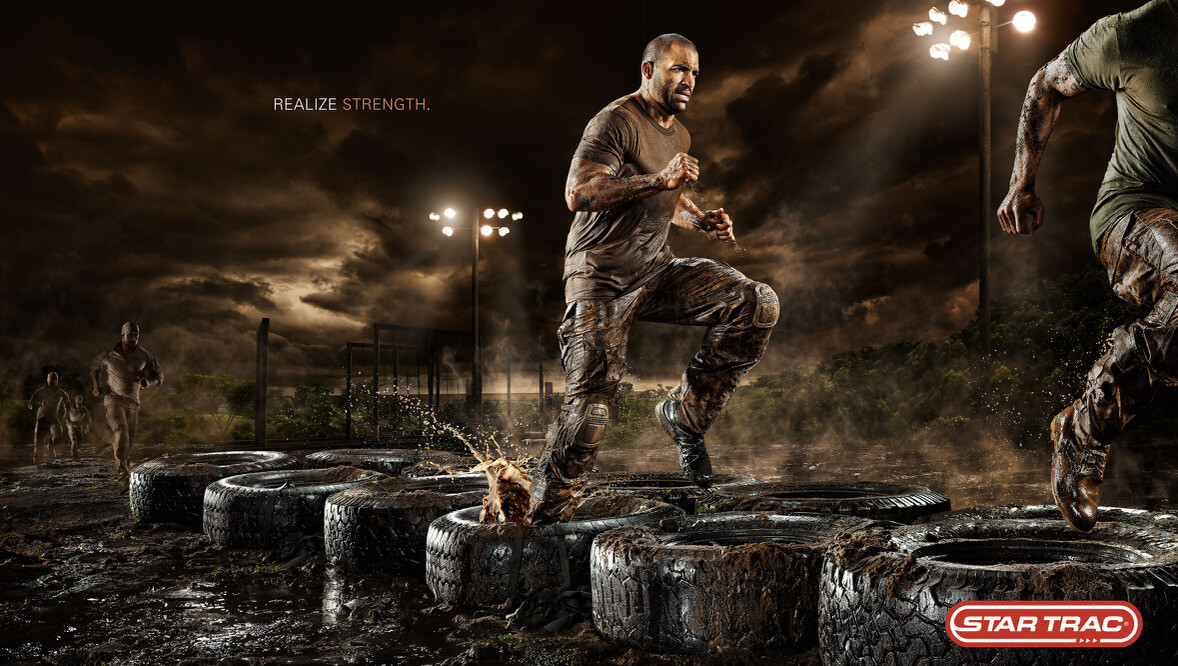
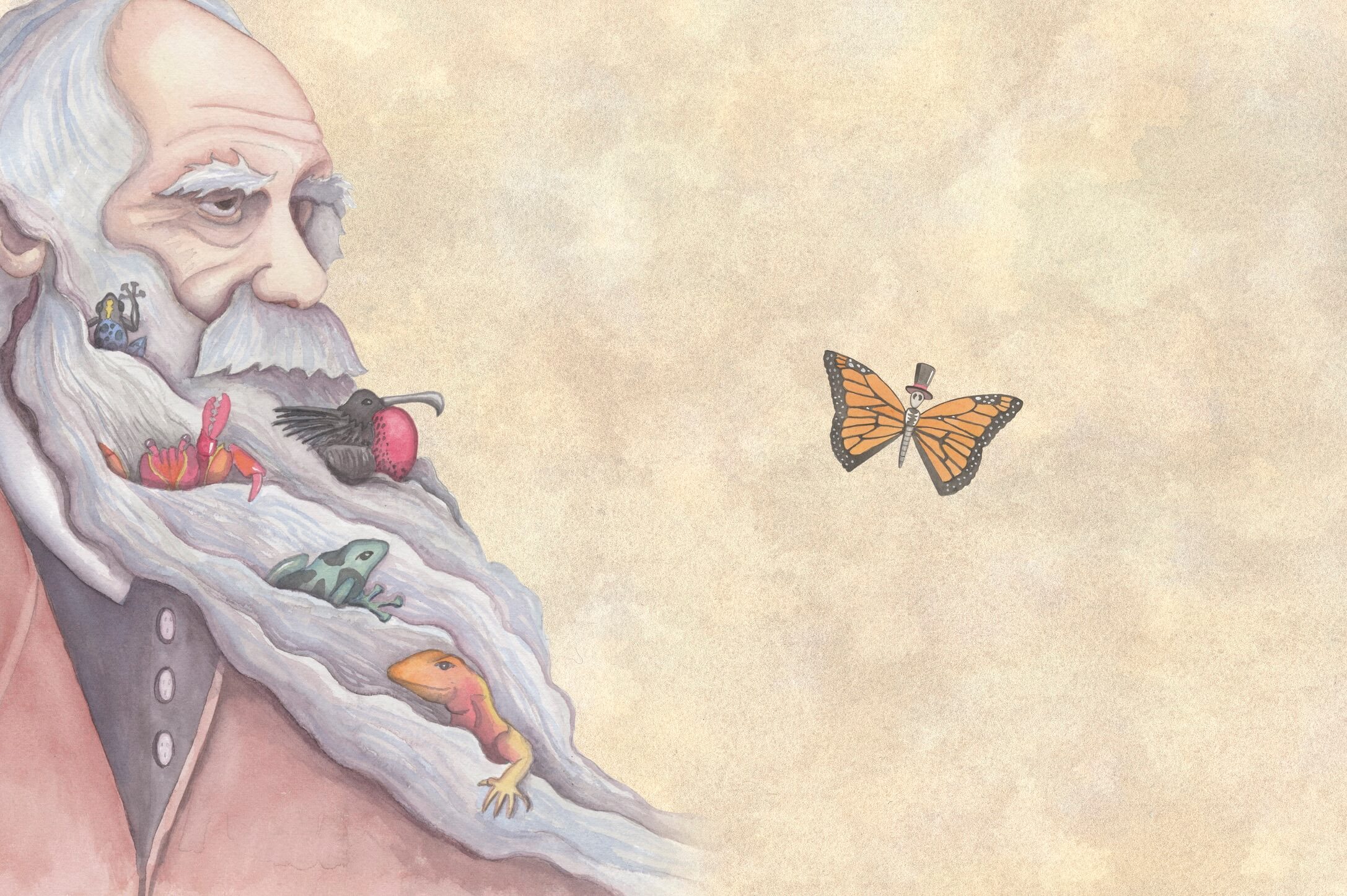
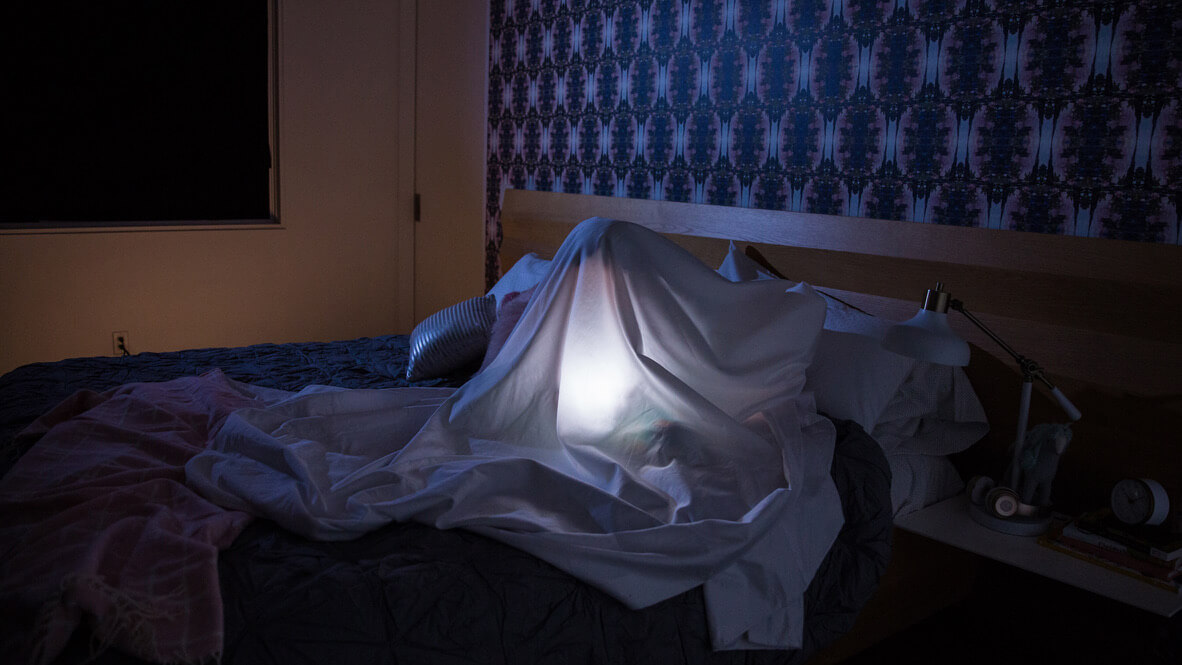
These Ideas at Work
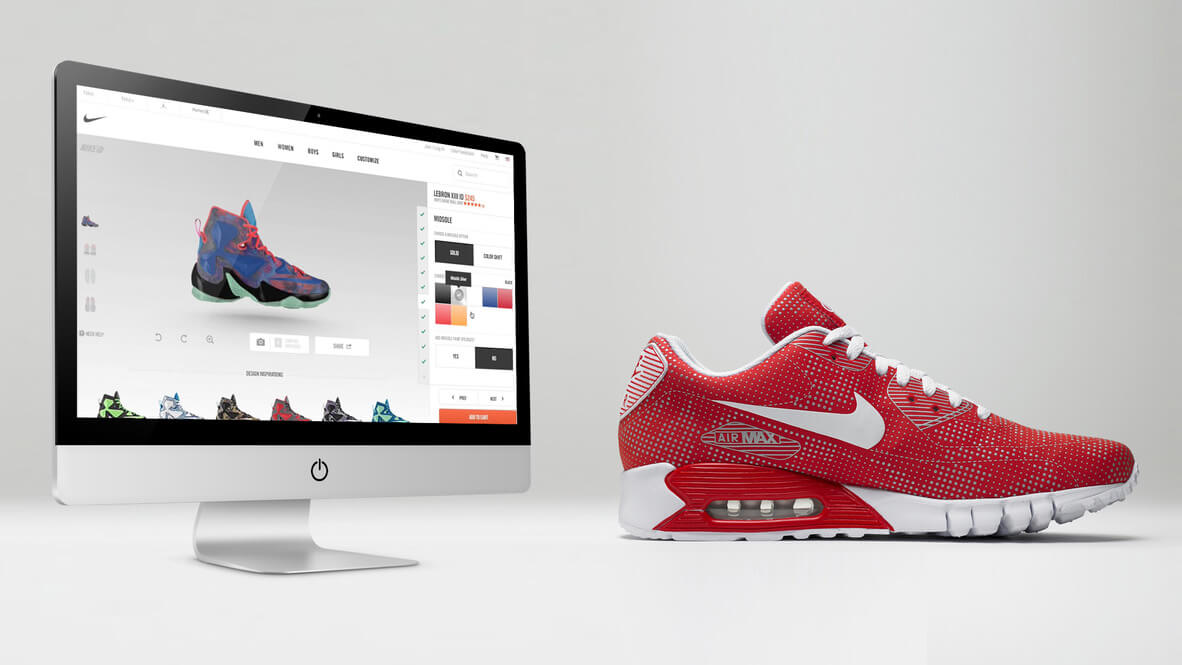
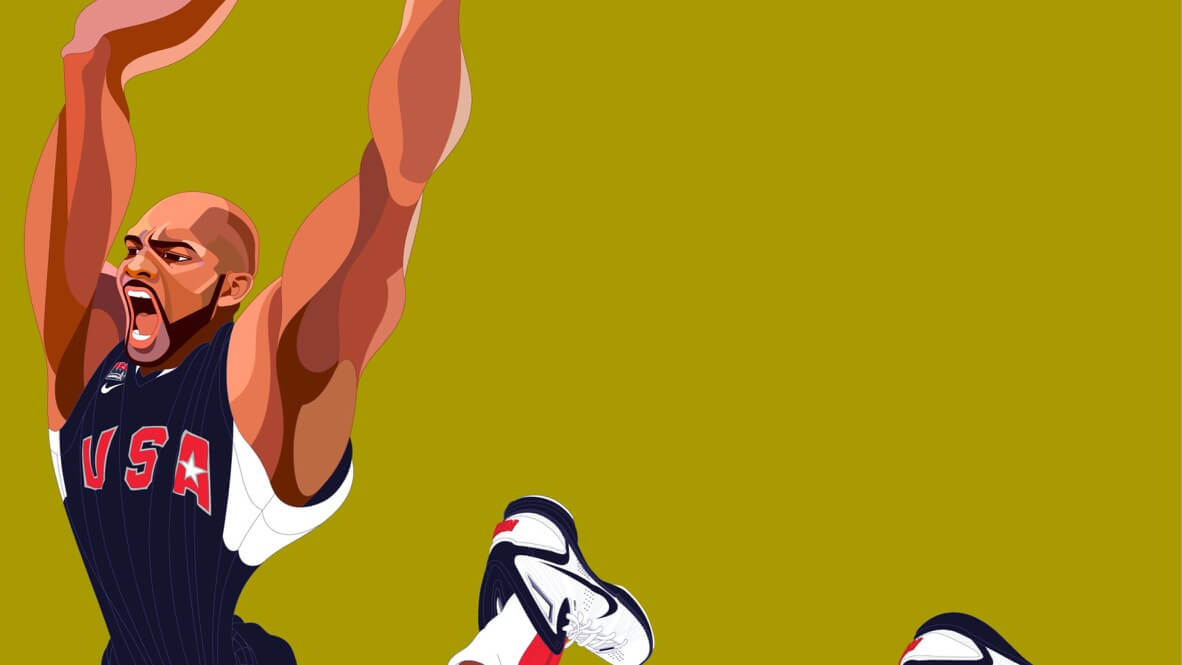

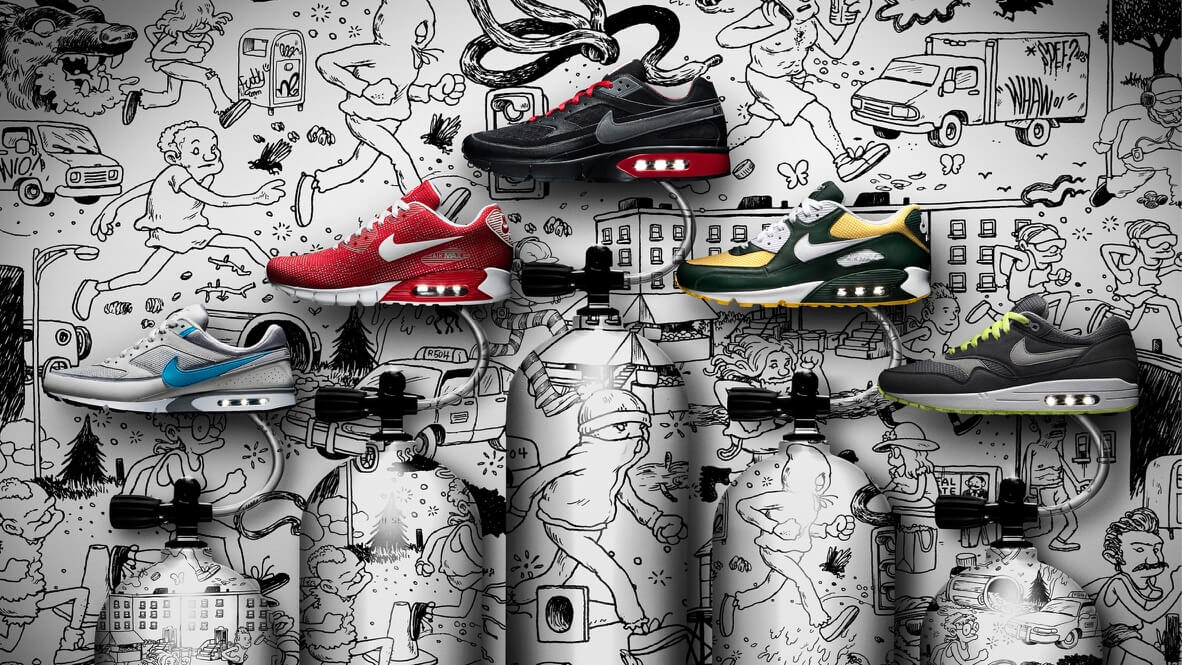
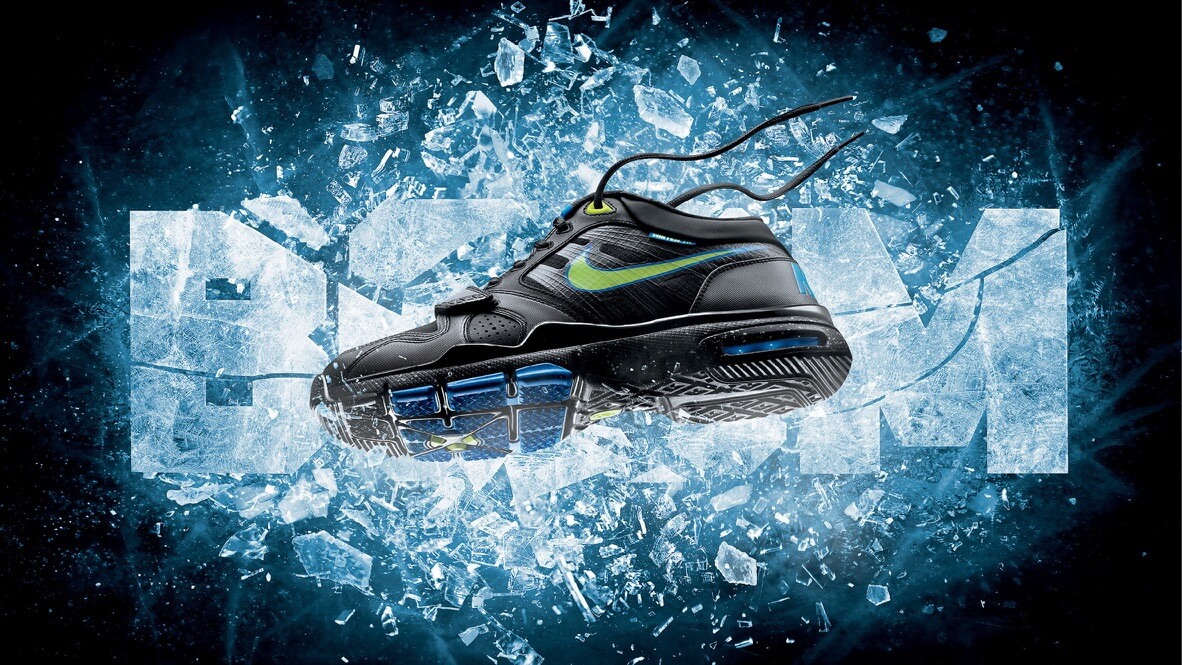
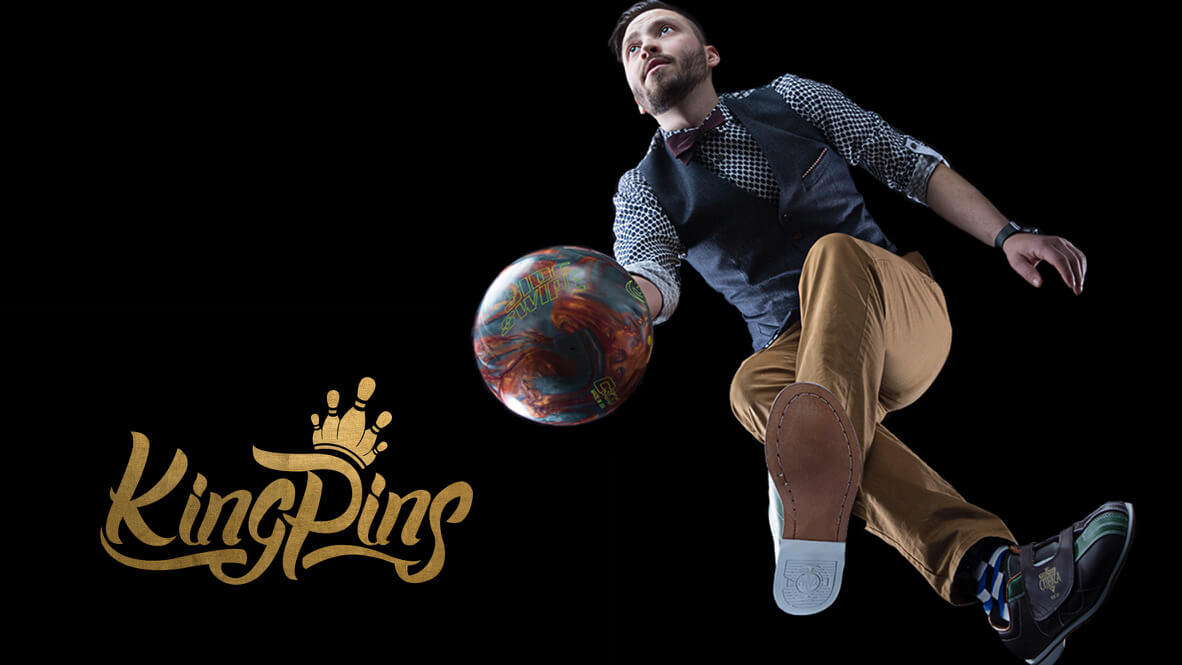
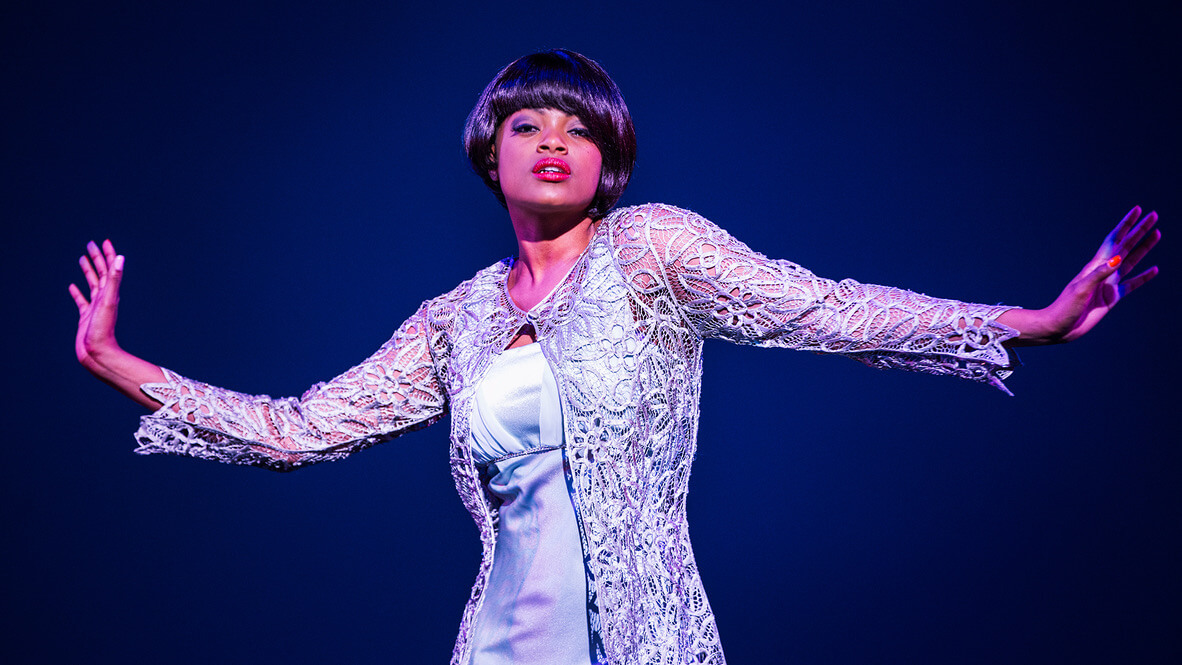





Why Rebrands Fail: Too Much Logic, Not Enough Leap
Rebrands often falter because they begin with spreadsheets and end with style guides. They attempt to fix perception without ever engaging emotion.
We see this frequently in RFP environments—especially in higher education and government work. Teams seek conversion but avoid risk. Yet the strongest returns emerge when we challenge assumptions and explore creative that moves beyond what “tests well.”
The goal isn’t to abandon reason. It’s to pair it with informed intuition.
How to Move Beyond the Rational in Your Own Process
If you’re not Nike, how do you apply this thinking?
The shift begins here:
- Start with empathy, not assumptions. Go to where your customers are. Listen more than you speak.
- Create space for the irrational. Let one idea exist without data justification.
- Prototype quickly. Test for truth. Five days. Five versions. Let the audience reveal what resonates.
- Let research guide—not restrict. The butterfly would never have survived a traditional testing cycle.
- Honor the muse. Every project contains a moment of unexpected clarity. Make room for it.
What Surprised Us: It Wasn’t the Color. It Was the Confidence.
One of the project’s great surprises? The butterfly revolved around red—a historically underperforming colorway. The featured version wasn’t even in production.
But compelling creative reframes perception. Anchored in story and motion, the irrational choice became magnetic.
The butterfly wasn’t just a design shift—it was a brand stance: bold, agile, willing to leap. That posture converted more effectively than any feature list.
Clients Who’ve Embraced the Leap
- Autism Society of America: A full rebrand across 150+ stakeholders founded on voice, inclusion, and emotion.
- Chown Hardware: A surreal, Wes-Anderson-inspired campaign for their Seattle showroom—award-winning and traffic-boosting.
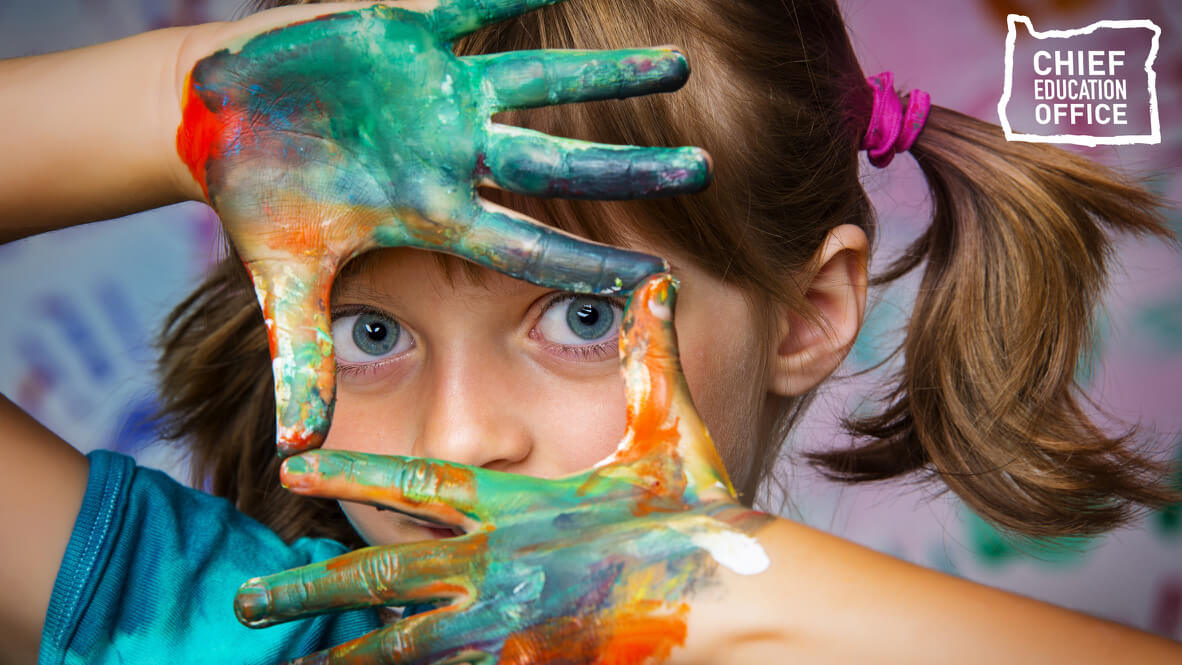
- Oregon Wine Board: A global repositioning built not on data dumps but on storytelling that made the region feel intimate and world-class.
Disciplined CRO services give that intuition a rigorous way to prove what genuinely moves people.
That work reflects how our Seattle branding agency connects local context with creative ideas built to perform.
Creativity That Moves People Moves Product
Ultimately, that 41% conversion wasn’t driven by a stronger CTA or faster load time. It was the result of following a hunch forged through genuine listening.
To the CMO seeking ROI but fearing risk: data won’t always give you the answer. Sometimes, the butterfly will.
To the founder searching for the next lever: make room for the irrational. There’s power in wonder.
Actionable Steps to Build Conversion-Driven Creative
- Book research time before design time. Prioritize immersion.
- Balance voice with unexpected visuals. Let one execution break your norms.
- Establish a sprint environment. Track engagement rigorously.
- Use emotion as a business tool. Not instead of logic—but beside it.
With Gratitude
To the student in San Diego who channeled Ali.
To the Nike team willing to test the irrational.
To every client who has trusted us to explore the surreal, the emotive, and the unexpected in pursuit of better outcomes.
This work is not merely about selling shoes. It is about unlocking stories that move people—and reshaping how brands see themselves.
Select Clients
Nike
Disney
Starbucks
Volcafe
General Electric
Autism Society of America
Lincoln Automotive
Lego
Oregon State University
Oregon Wine Board
Cloud Security Alliance
Peace Corps
Festival Napa Valley
Green Sports Alliance
Portland General Electric
Worldly