


Community Engagement Marketing

Why Loyalty Still Matters
In a world obsessed with fast growth and flashier campaigns, loyalty can sound old-fashioned. But the truth is simple: loyalty remains one of the most strategic, measurable, and undervalued assets in business today.
At Watson, we believe building community is not a feel-good bonus. It is a business imperative. Organizations that prioritize sustained engagement over short-term wins don’t merely keep pace. They lead. They cultivate networks of support, transform casual users into committed advocates, and design systems that reinforce both connection and conversion.
Designing for Commitment
The real challenge is not getting attention. It is keeping it.
Too many brands cast wide nets and mistake reach for depth. Sustainable growth, however, is built through meaningful, repeated engagement, not fleeting impressions. Loyalty systems are the infrastructure that makes this possible.
Not punch cards. Not shallow point programs. But experience-driven, data-informed ecosystems that reward behaviors rather than transactions. These systems move people from curiosity to commitment through relevance, not gimmicks.
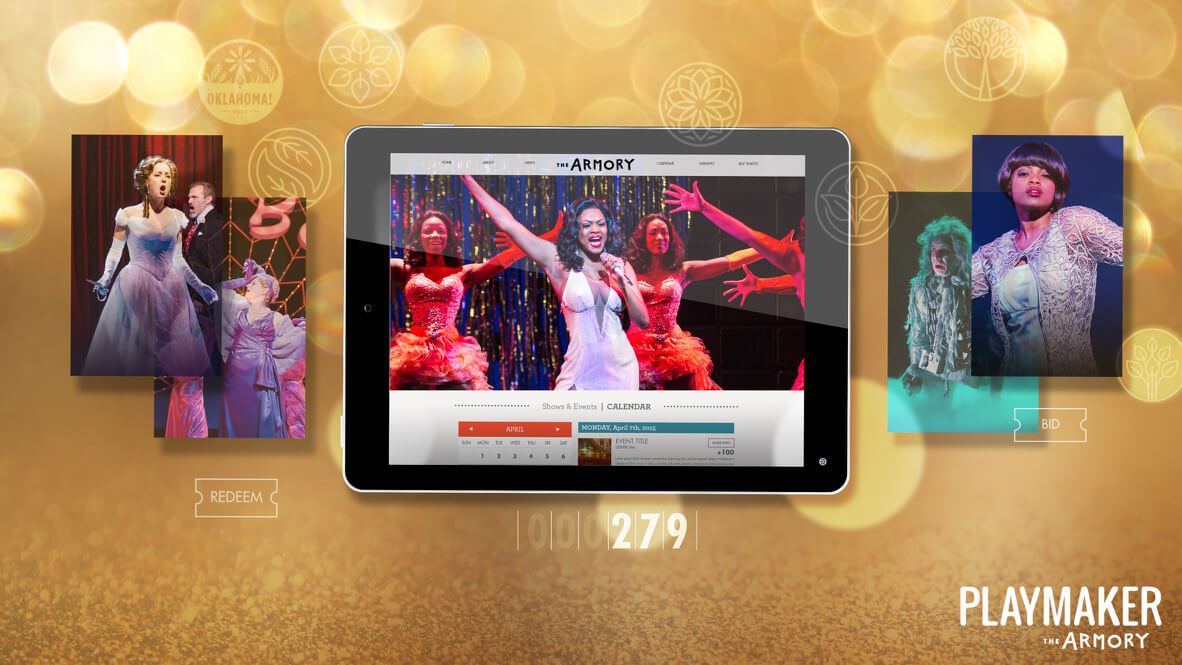
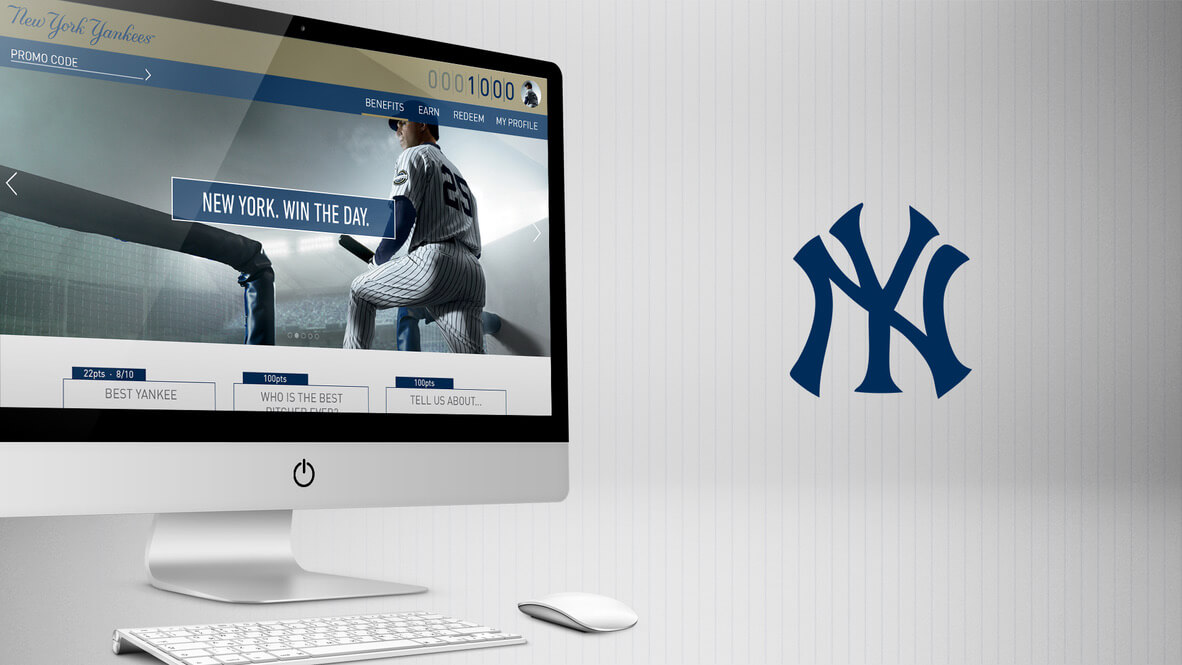
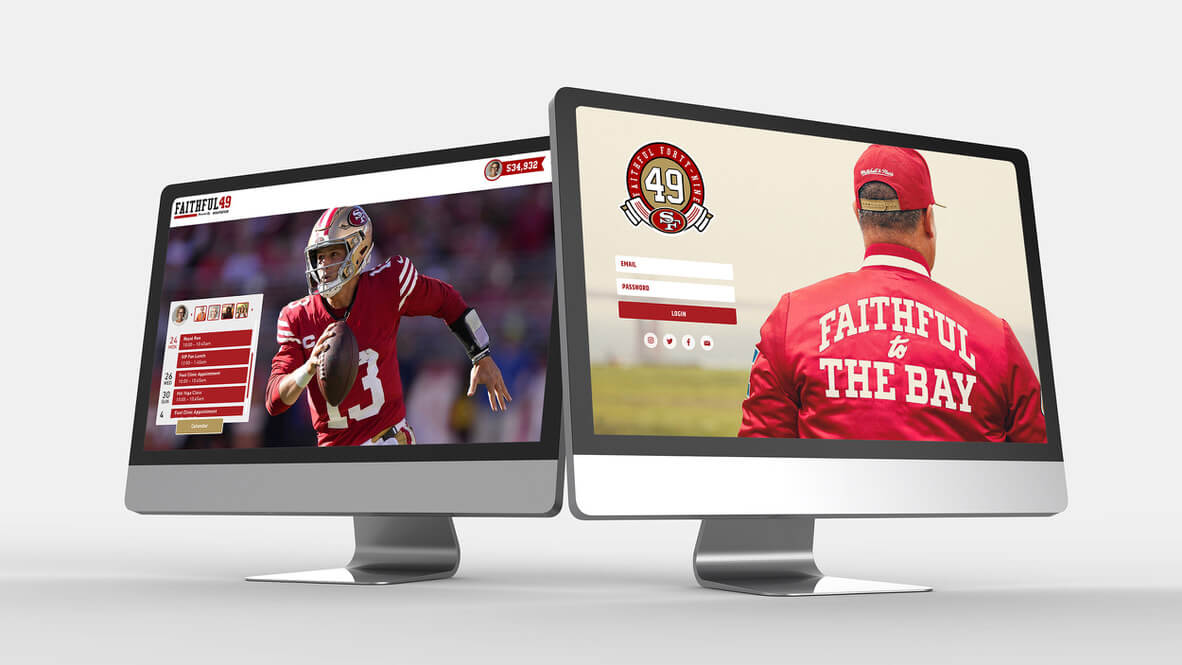
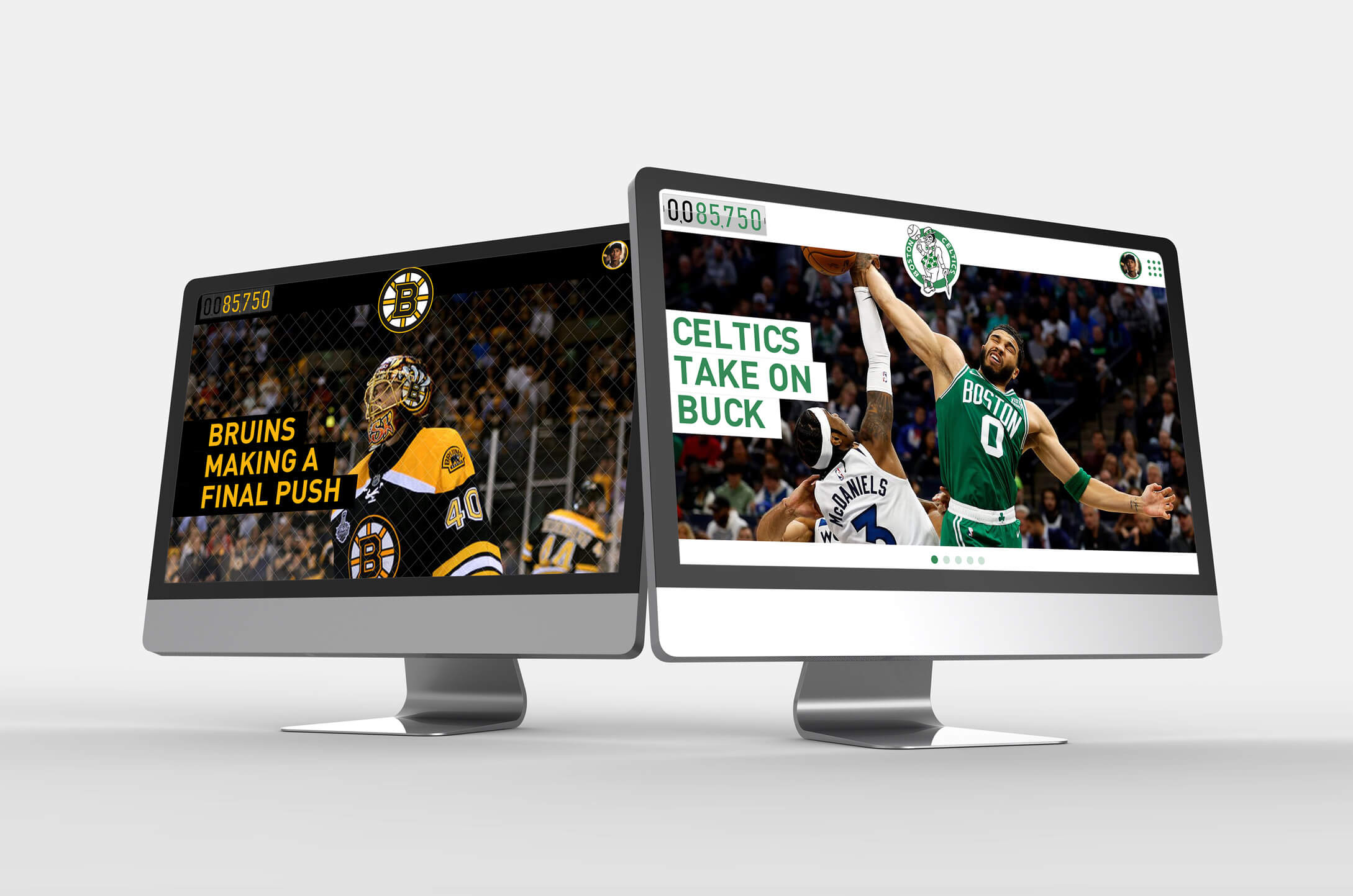
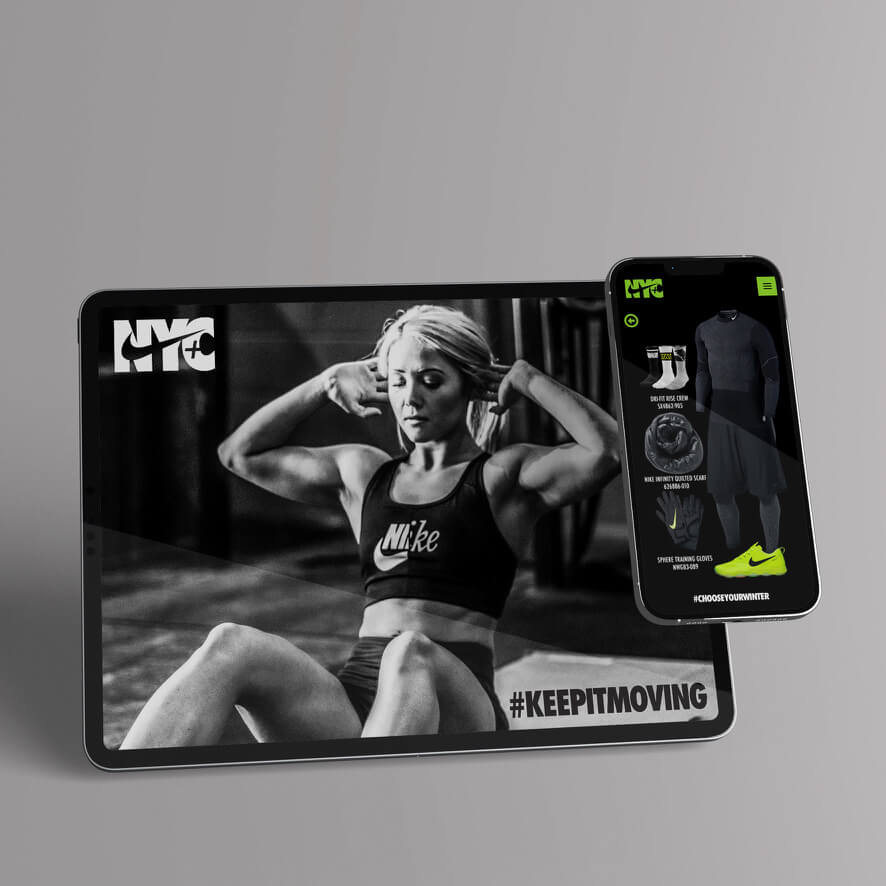
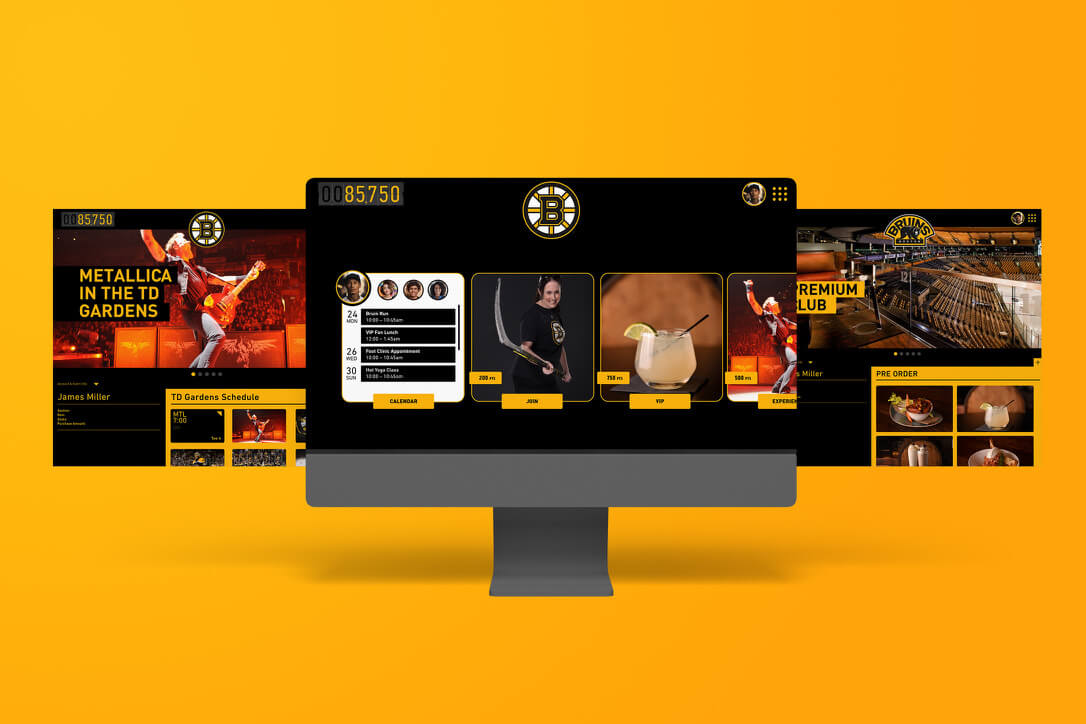
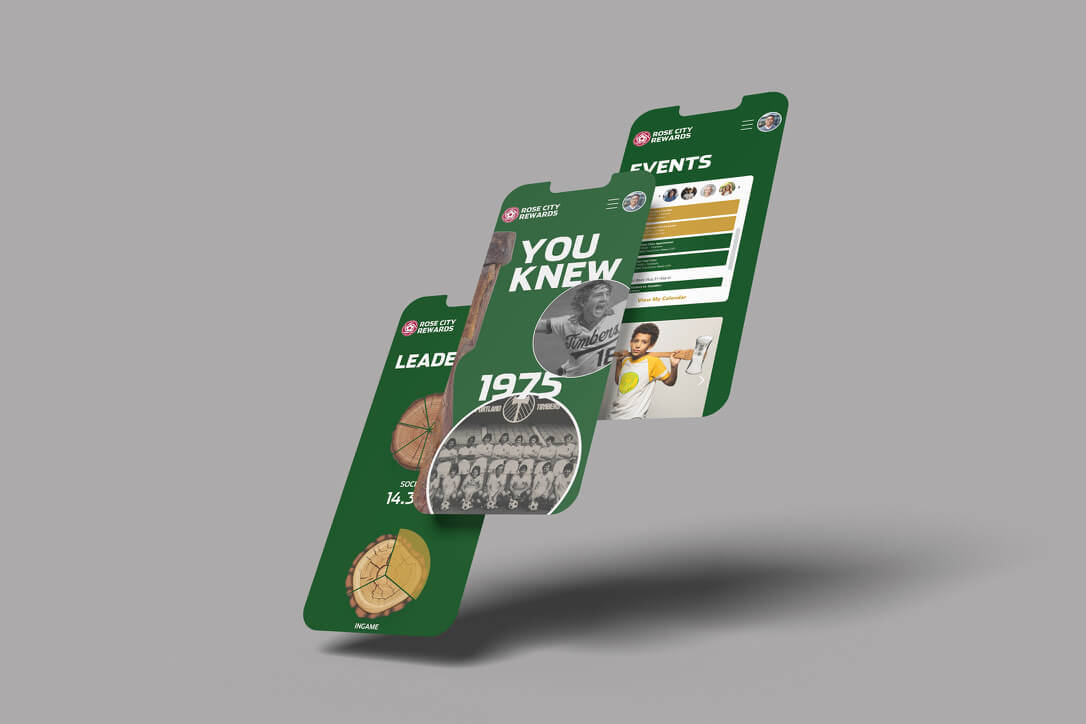
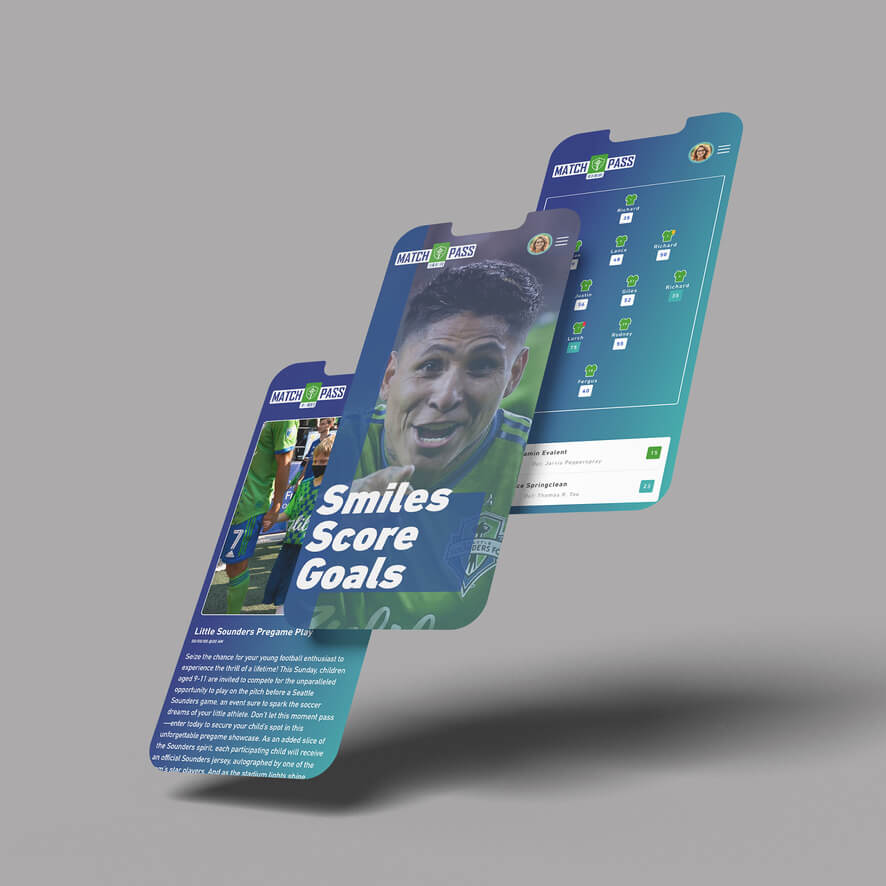
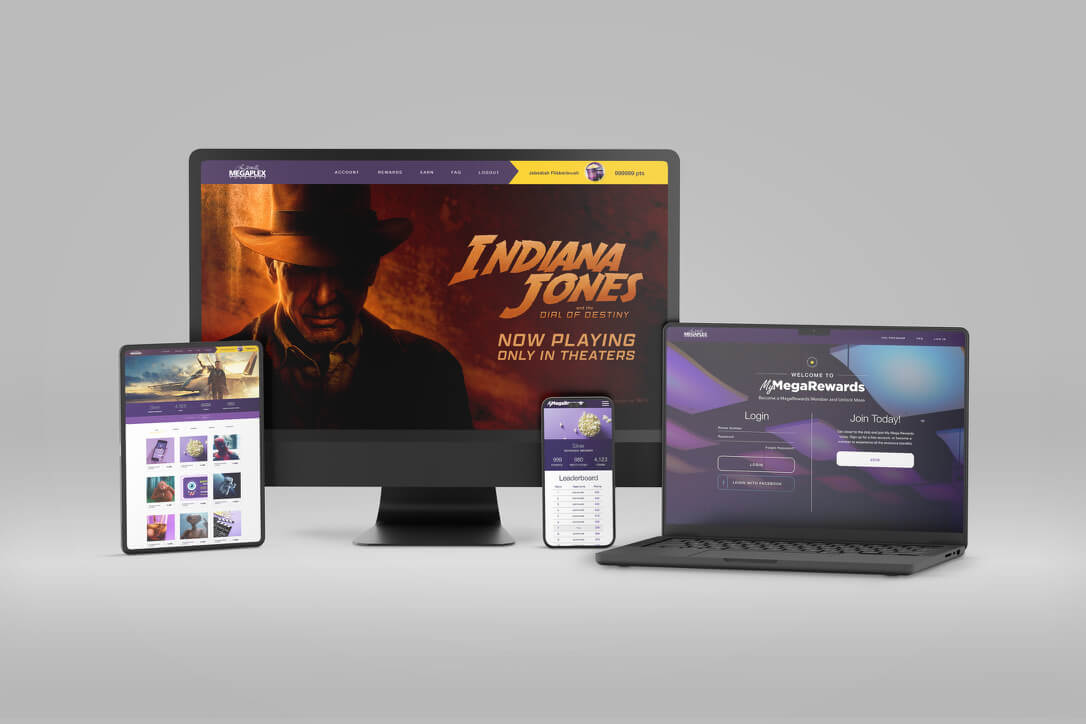
The Loyalty & Rewards System developed with SKIDATA reflects this philosophy. It is a fully integrated platform designed to engage audiences across every touchpoint: digital, physical, and experiential.
More Than Software
Anyone can build a portal. What matters is how it is built.
Effective loyalty systems are shaped by brand voice, audience psychology, and real-world behavior. The goal is not constant presence, but contextual presence—the right message, delivered at the right moment, in the right tone.
Our loyalty systems are designed to:
- Reward behaviors aligned with core business objectives
- Encourage early arrival, higher spend, and repeat engagement
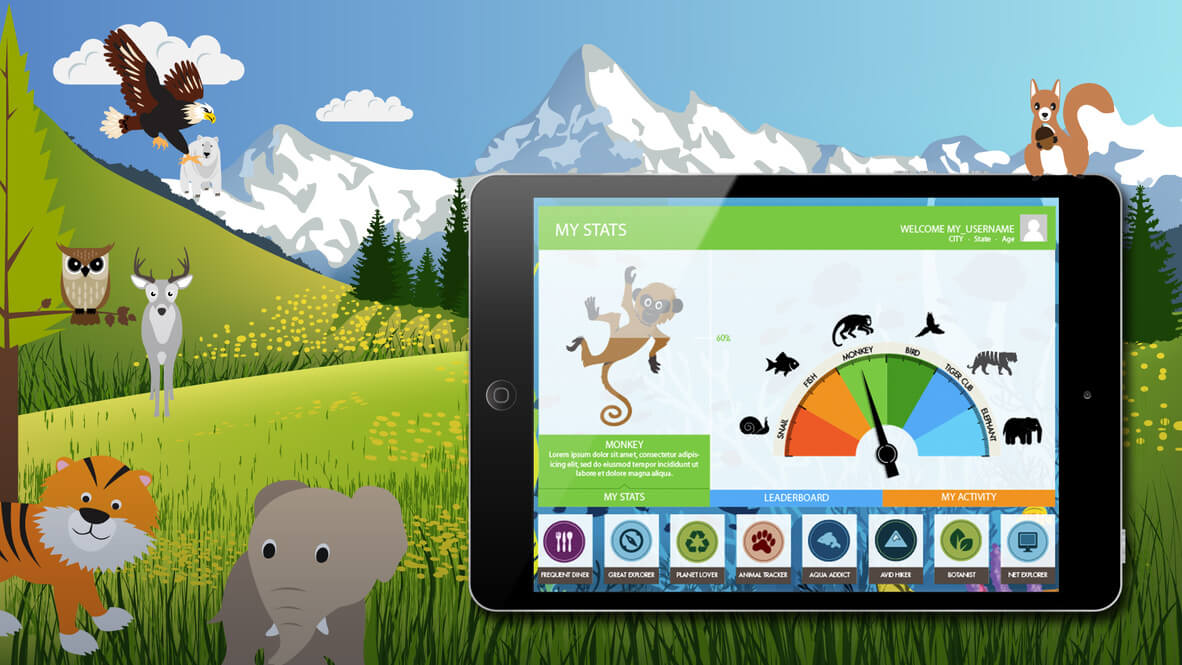
They also enable custom experiences, gamified interactions, and real-time engagement through data signals and proximity triggers, while integrating seamlessly with existing CRMs, apps, and ticketing platforms.
What Makes Loyalty Work
At the core of every successful loyalty system is immediate, meaningful value. Experiential rewards, tiered access, and early recognition ensure users feel invested from their very first interaction.
As engagement deepens, the system evolves alongside the audience. Benefits become more personal. Content becomes more relevant. Influence becomes reciprocal.
This is why people return—not out of habit, but out of genuine interest.
Real Results, Real Revenue
The impact of well-designed loyalty systems is measurable and consistent across industries.
- A $1M increase in ticket spend driven by a small segment of highly engaged fans
- Significant growth in food and beverage sales tied directly to early attendance incentives
These results underscore a broader truth: engagement is not a cost center. It is a revenue engine.
The Psychology Behind Engagement
People are not motivated by rewards alone. They seek recognition, exclusivity, and experiences that reflect their identity.
Organizations that understand this design for intrinsic motivation. They offer access instead of accumulation. Participation instead of promotion. Resonance instead of reach.
When engagement aligns with identity, loyalty becomes self-sustaining.
Engagement That Feeds Itself
As loyalty systems mature, marketing dynamics shift naturally.
- PR grows organically through moments people want to share
- Experiential marketing becomes a catalyst for deeper participation
Over time, advertising becomes more targeted—and often less necessary. At that point, brands are no longer chasing attention. Their communities are amplifying it for them.
Strategic event design services can create the shared moments that turn passive audiences into active communities.
Let’s Talk Loyalty
We do not offer one-size-fits-all solutions. We co-create loyalty ecosystems that reflect your brand’s values and your community’s expectations.
Across sports, cultural institutions, nonprofits, and destinations, we have seen how thoughtful engagement transforms transactional relationships into lasting ones.
If you are ready to stop renting attention and start earning loyalty, this is where the work begins.