


Branding Cannabis in a Regulated Market: Lessons from Oregon & California

Over the past decade, the cannabis industry has moved from the margins into the mainstream, transforming from a stigmatized underground economy into a legitimate and fast-growing business sector. Nowhere is this shift more visible, or more instructive, than in Oregon and California.
These two West Coast pioneers shaped the national conversation in markedly different ways. Their regulatory paths diverged, their branding challenges evolved under different pressures, and their outcomes offer valuable insight for anyone operating in highly regulated markets.
This is not just a story about cannabis. It is a case study in how policy, culture, and brand strategy collide.
Two Roads to Legalization
California: A Pioneering Path with Complex Challenges
California entered the cannabis conversation early. Medical marijuana was legalized in 1996 through Proposition 215, long before comprehensive statewide regulation existed. What followed was a prolonged period of ambiguity, where local municipalities held significant control and rules varied block by block.
In 2015, the Medical Cannabis Regulation and Safety Act attempted to bring structure to this fragmented landscape. State-level licensing and oversight were introduced, but the transition proved difficult. Many businesses that had operated for years in a legal gray zone now faced a dense web of compliance requirements.
The passage of Proposition 64 in 2016 legalized recreational cannabis and expanded the industry further, while simultaneously increasing regulatory complexity. Taxation, enforcement, and licensing varied widely by jurisdiction, forcing brands to adapt to inconsistent expectations.
The core lesson from California was balance. Statewide consistency mattered, but so did local autonomy. Brands that survived learned to communicate clearly, invest heavily in compliance, and build trust across fragmented regulatory environments.
Oregon: A Uniform Approach with Early Adaptation
Oregon’s path was faster and more centralized. In 2014, voters approved Measure 91, legalizing recreational cannabis for adults 21 and older. The Oregon Liquor Control Commission quickly assumed regulatory authority, creating a uniform framework that governed cultivation, distribution, and retail.
By acting swiftly, Oregon reduced uncertainty for businesses entering the market. Standards around quality, safety, and taxation were established early, creating a more predictable environment for growth.
The lesson from Oregon was clarity. Clear rules enable stronger brands. Early consistency allowed companies to focus less on interpretation and more on differentiation.




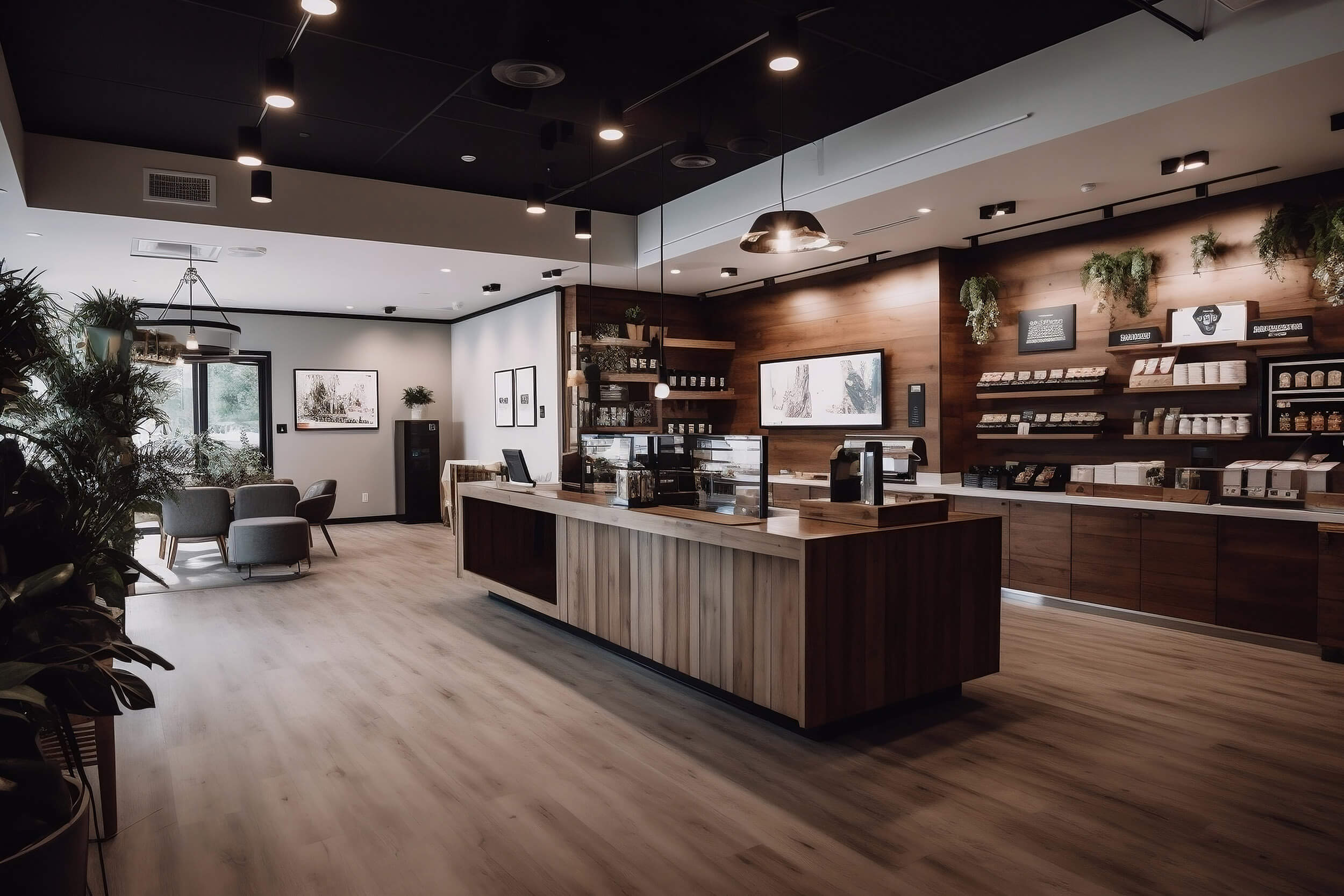


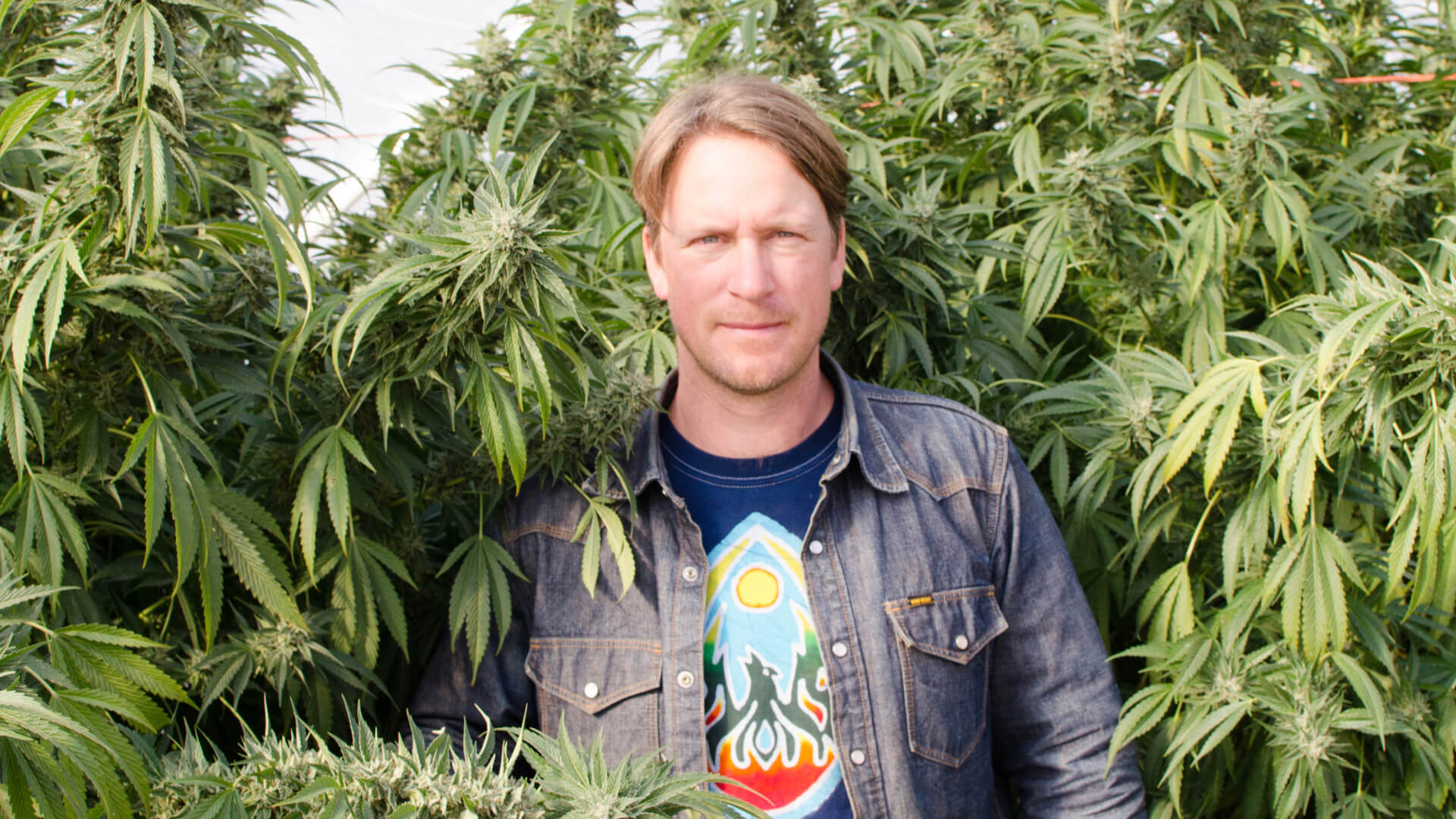
Two Blueprints, One Industry
California’s complexity and Oregon’s cohesion produced different pressures, but both paths reinforced a shared truth: regulation shapes branding as much as creativity does.
Brands operating in California learned to localize messaging, adjust packaging, and manage compliance across jurisdictions. In Oregon, brands leaned into regional values, sustainability, and transparency within a clearer regulatory structure.
Together, these states illustrate how regulation becomes part of the brand narrative, not just a constraint around it.
Business Learnings from the Field
Wyld: Scaling Sustainability Across State Lines
Wyld offers a clear example of how regional values influence brand growth. Founded in Oregon, the brand aligned itself with the state’s environmental ethos through natural ingredients and eco-conscious packaging. That alignment translated into strong growth and deep local trust.
When entering California, Wyld faced a larger and more competitive market. Rather than abandoning its roots, the brand expanded its cultural relevance by collaborating with local artists and community voices. The result was significant growth without dilution of identity.
Wyld’s story demonstrates that scalability depends on adaptability, not uniformity.
Mule: Quality as a Response to Complexity
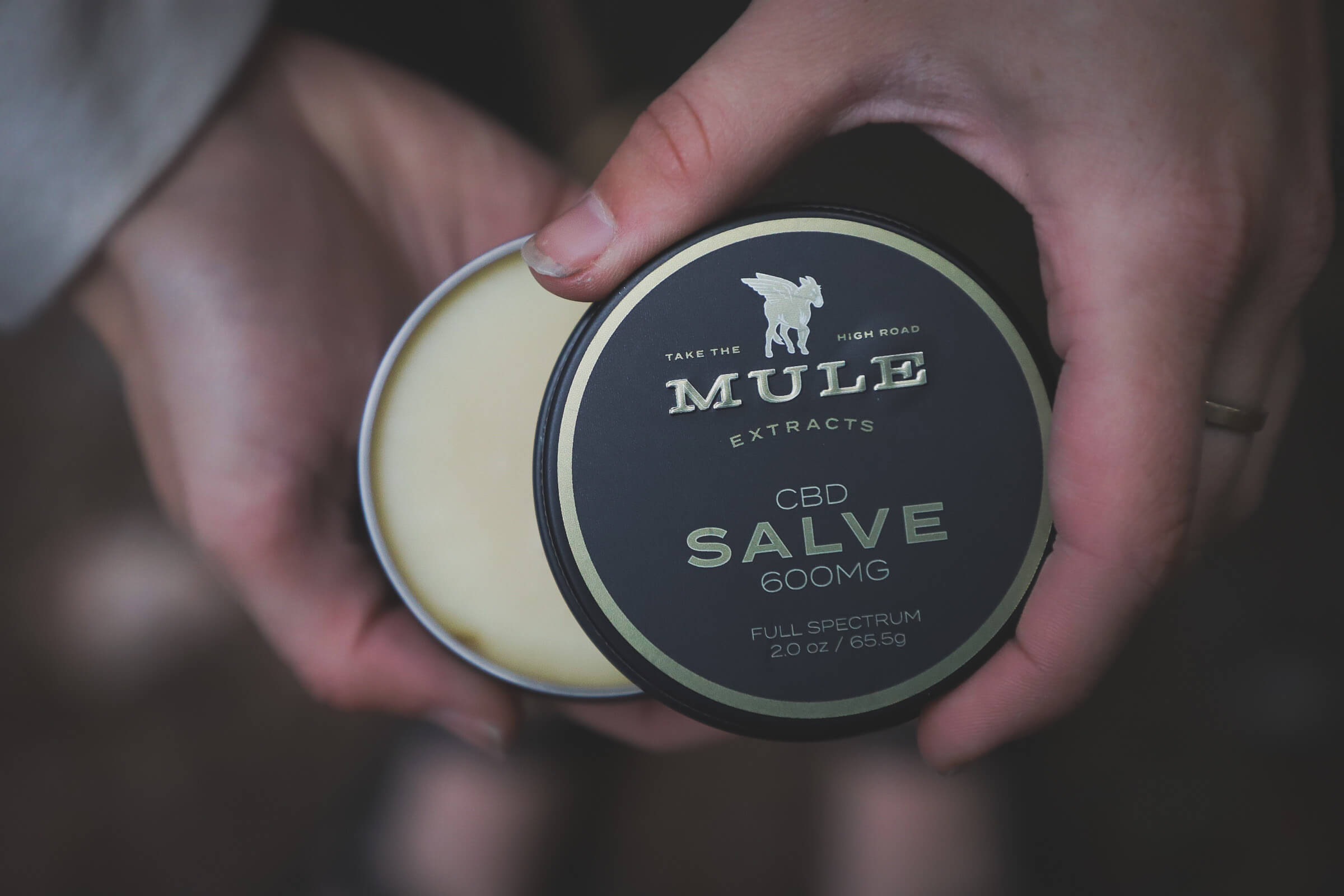
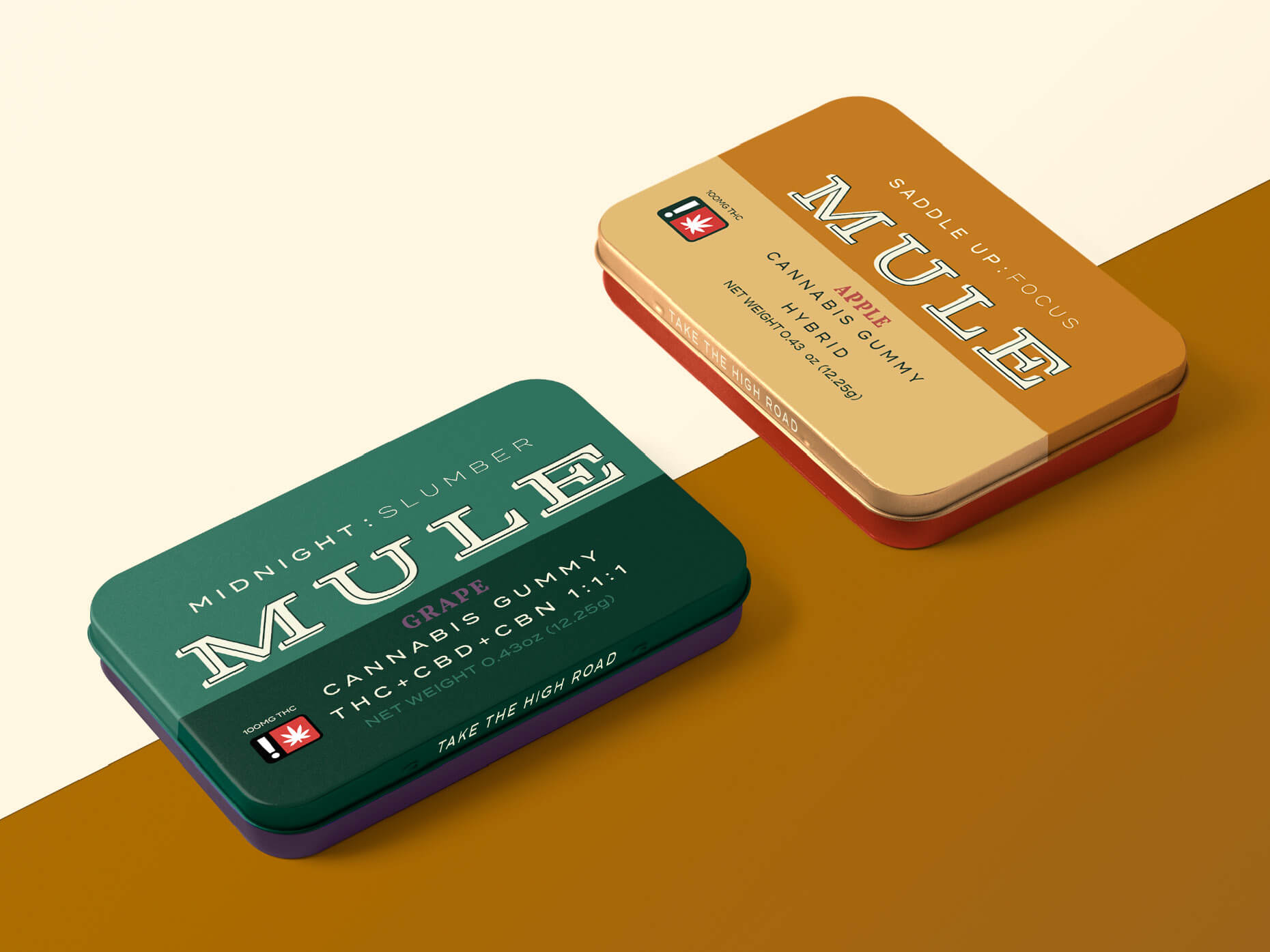
California’s strict testing requirements and diverse consumer expectations pushed Mule toward a quality-first strategy. Education and transparency became central to the brand, helping consumers understand product consistency in a crowded market.
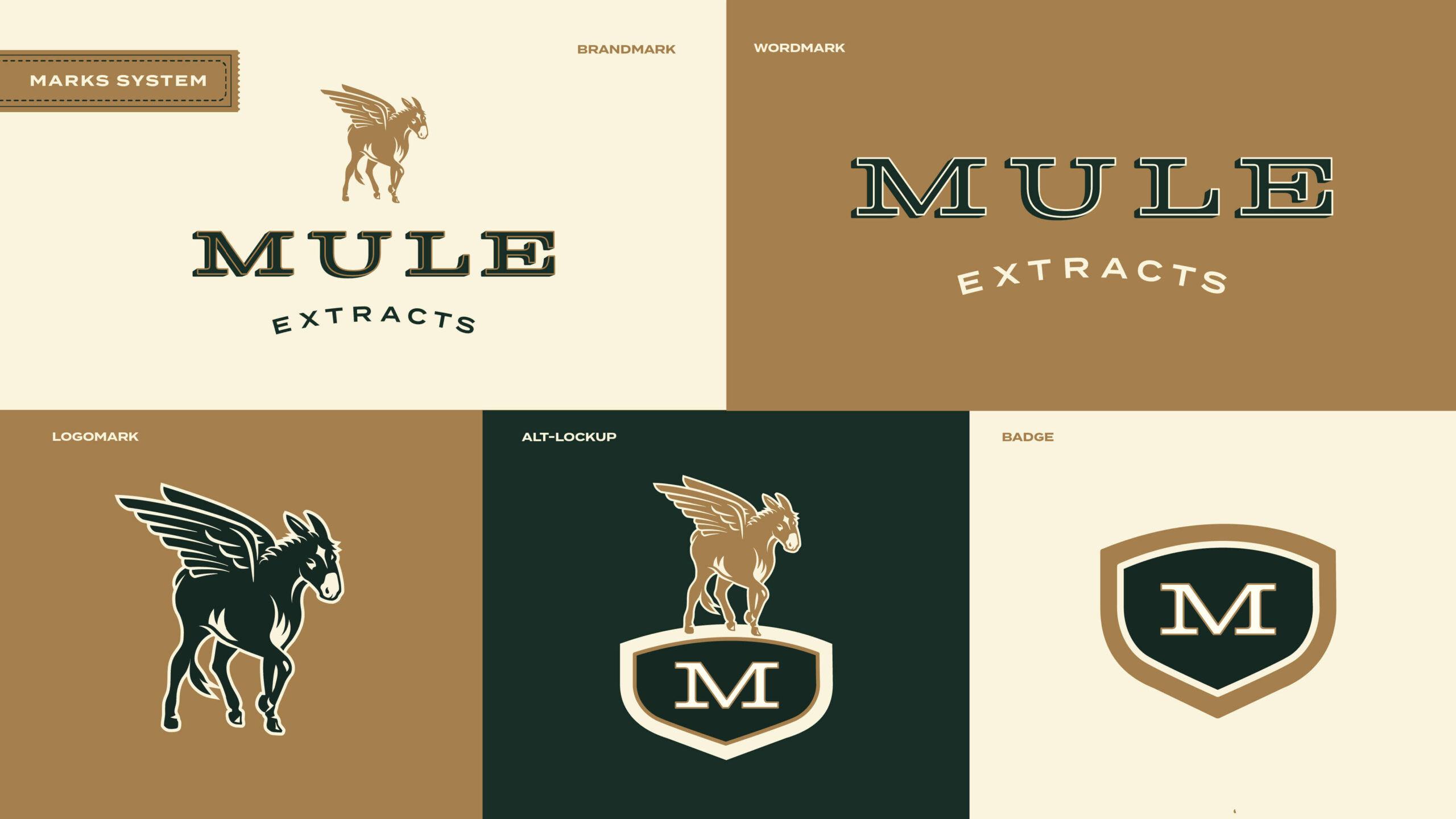
In Oregon, Mule emphasized regional authenticity, grounding its identity in Pacific Northwest outdoor culture. By adjusting its narrative to local context, the brand achieved growth in both states through different strategies.
Oasis: Navigating Cross-State Identity
Oasis operates dispensaries in both Oregon and California, requiring constant recalibration. In Oregon, the brand focused on community engagement and responsible consumption. In California, product variety and consumer choice took precedence.
Their experience underscores a critical insight: cross-state branding demands flexibility without fragmentation. Consistency of values matters more than consistency of tactics.
Our California branding agency understands how regulation, category expectations, and local culture shape cannabis brands.
Across the region, our West Coast branding agency helps regulated brands create distinction without losing credibility.
A Decade of Transformation
The cannabis industry’s evolution has been shaped not only by legislation, but by the people who helped design and enforce it. Collaborations with policymakers, regulators, and advocates informed branding strategies grounded in ethics, transparency, and long-term trust.
Work across dispensaries, growers, and ancillary businesses reinforced the same principle: branding cannot outpace regulation. It must move with it.
Diverse Markets, Shared Responsibility
Cannabis branding spans multiple categories, each with unique demands.
Medical cannabis requires education and credibility.
Sleep and wellness products demand sensitivity and trust.
Recreational markets reward authenticity and cultural alignment.
Across all of them, responsible consumption, clear communication, and ethical positioning remain non-negotiable.
Looking Forward
The lesson from Oregon and California is not about choosing the right regulatory model. It is about understanding that brands do not operate outside regulation. They are shaped by it.
In highly regulated industries, survival depends on transparency, adaptability, and cultural awareness. The brands that endure are those that treat compliance as part of their identity, not an obstacle to creativity.
As the cannabis industry continues to mature, these lessons extend far beyond state lines. They offer a blueprint for any brand navigating complexity, scrutiny, and rapid cultural change.