


How Arts Organizations Can Reach New Audiences Without Losing Their Soul

I was maybe eight, maybe younger. It was Greeley, Colorado, sometime in the 1980s, and the family was out on the grass facing a small stage at the University of Northern Colorado. From it came something that felt larger than life—John Williams’ Jaws, Indiana Jones, Star Wars. We ran between blankets and snacks, unaware that we were encountering classical music for the first time.
And I didn’t even recognize it as classical music. It simply felt epic—thrilling in a way that dwarfed cartoons and comic books. That night opened something in me, just as hearing Bach for the first time opens the realization that his influence lives everywhere—from Metallica to Led Zeppelin.
Symphonic music doesn’t wait to be admired. It moves toward you if you let it. Over the years I shifted between Nirvana and Debussy, Eminem and Glenn Gould, never seeing contradiction. That blend is the point—great work carries rhythm and force. And when Watson began helping the Oregon Symphony reach a new generation, that memory from Greeley returned: kids running free while horns rose in the distance.
Relevance Isn’t About Reinvention—It’s About Recognition
The Oregon Symphony is the oldest orchestra west of the Mississippi and the largest arts organization in Oregon. Their century-long legacy includes concert halls, community venues, and stadium performances—all designed to move people. Yet they faced a challenge shared by orchestras nationwide: how to grow an audience that reflects the next generation without losing authenticity.
They didn’t ask for reinvention. They asked for resonance.
Our goal wasn’t to fix, modernize, or simplify the Symphony. It was to make its mission accessible, relatable, and human. The work was about connecting tradition to curiosity—Mahler to motivation, music to meaning.
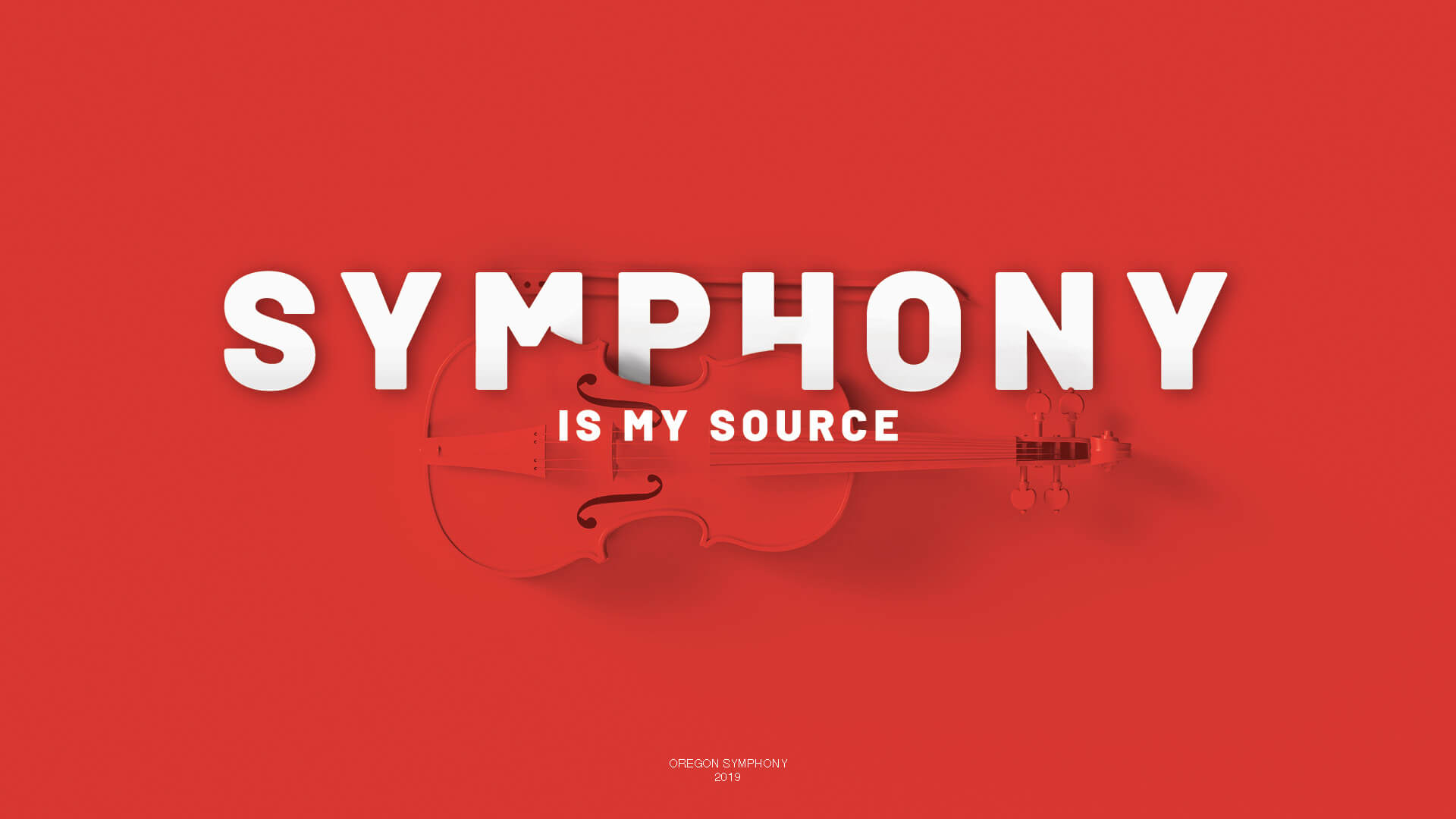
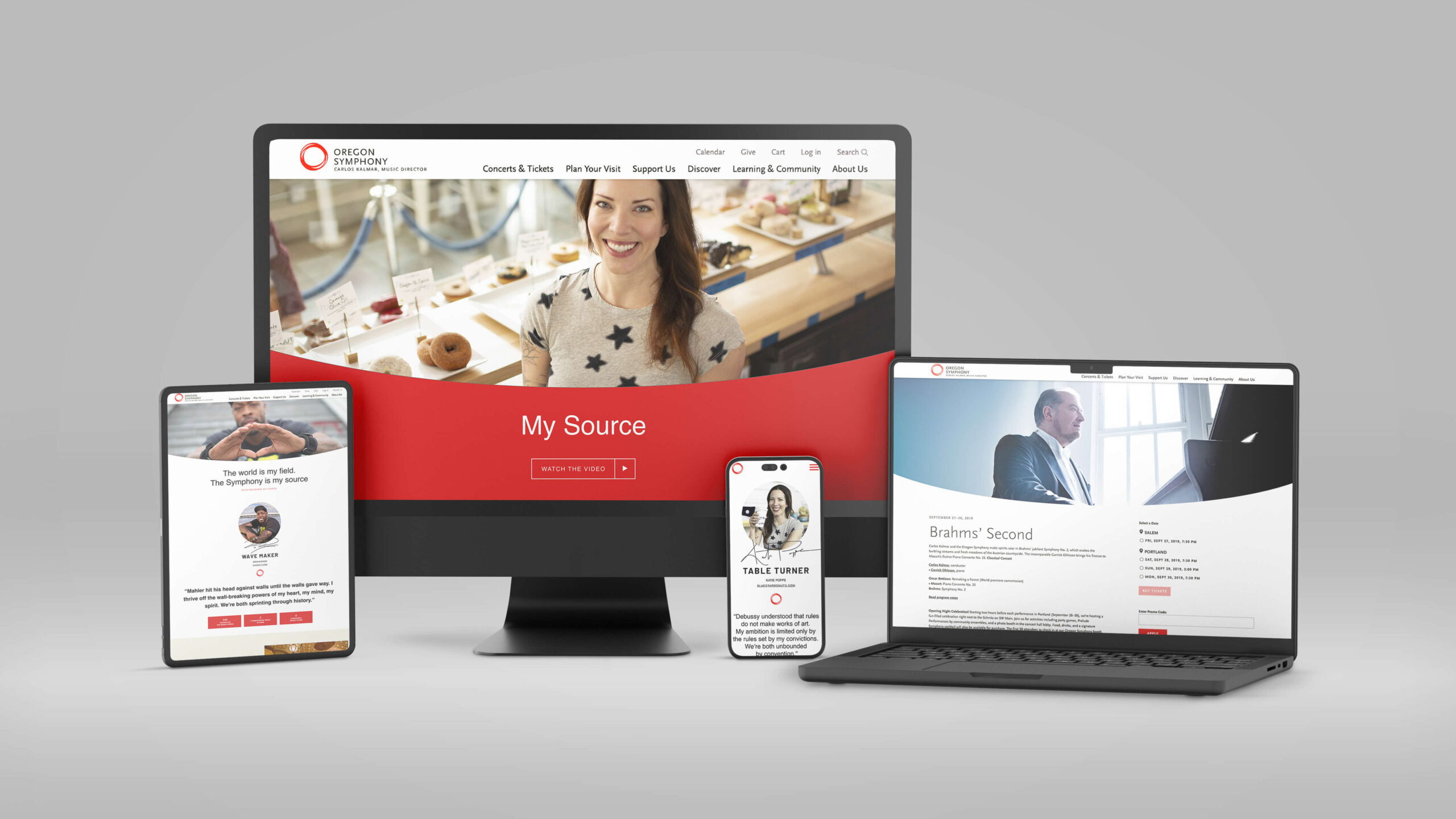
The campaign we built was called My Source. And it wasn’t built around the Symphony. It was built around people.
What Happens When You Make the Audience the Protagonist
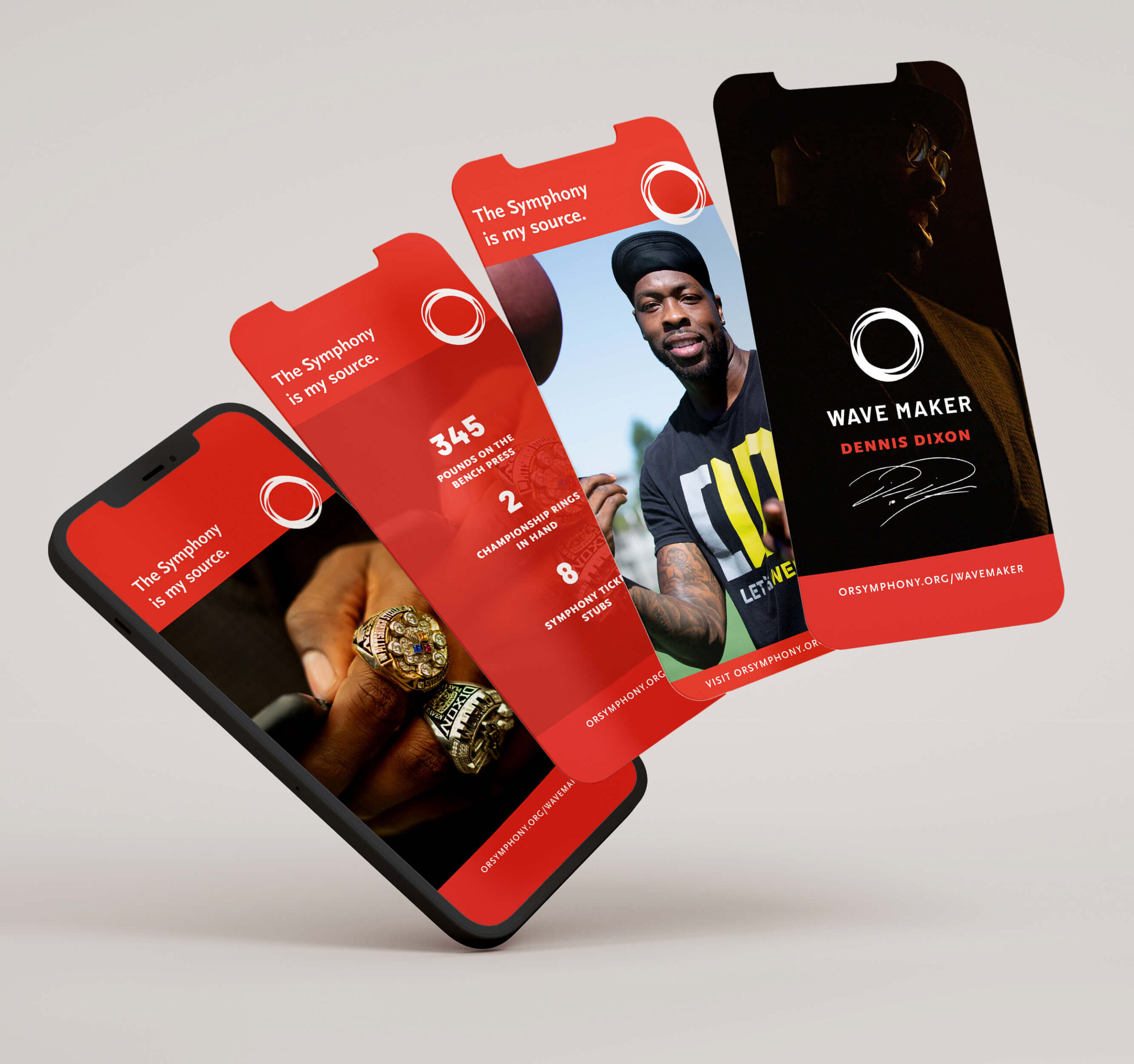
We began with influencers—not the buzzword kind, but real individuals with genuine followings and personal stories shaped by classical music.
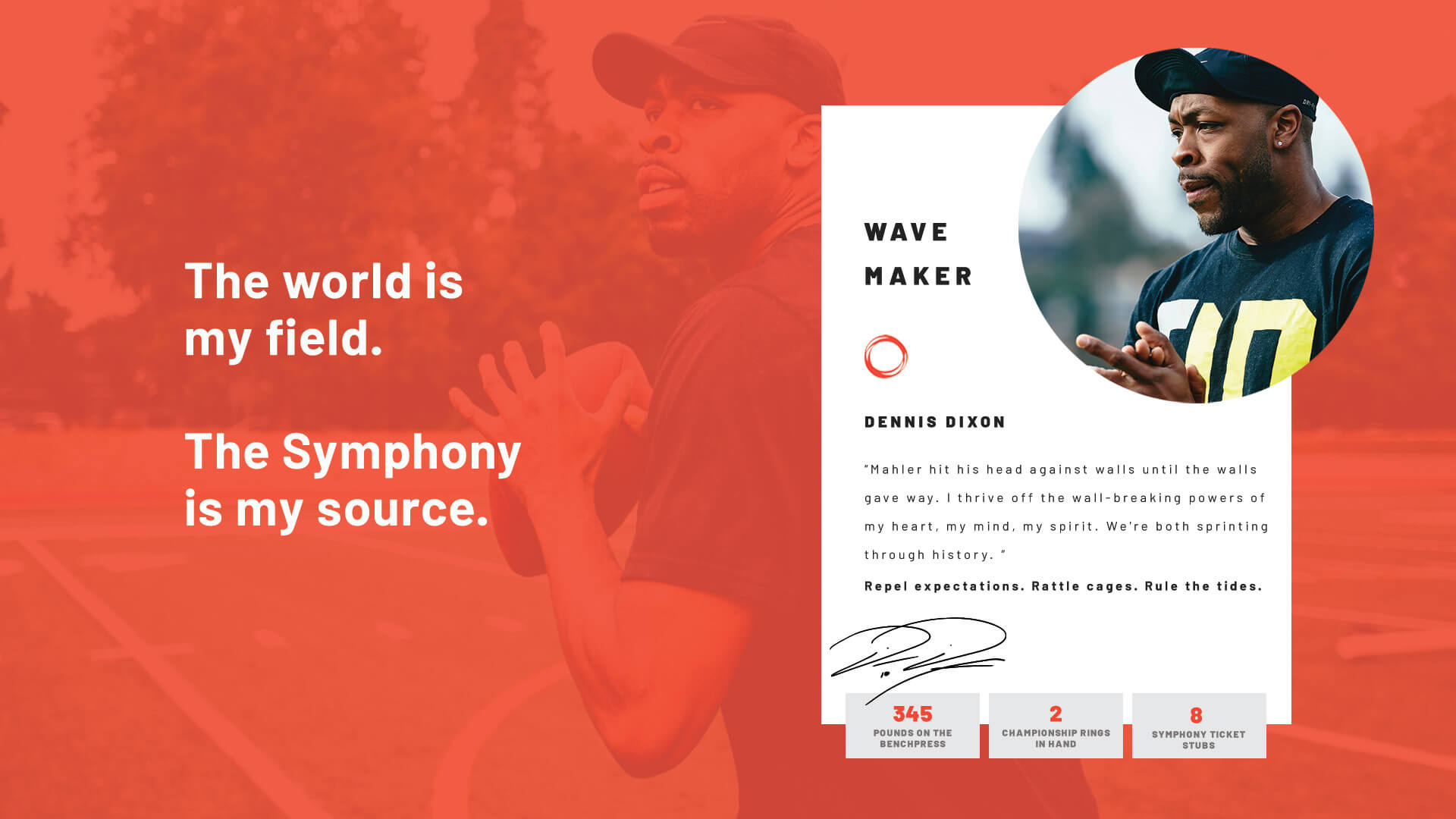
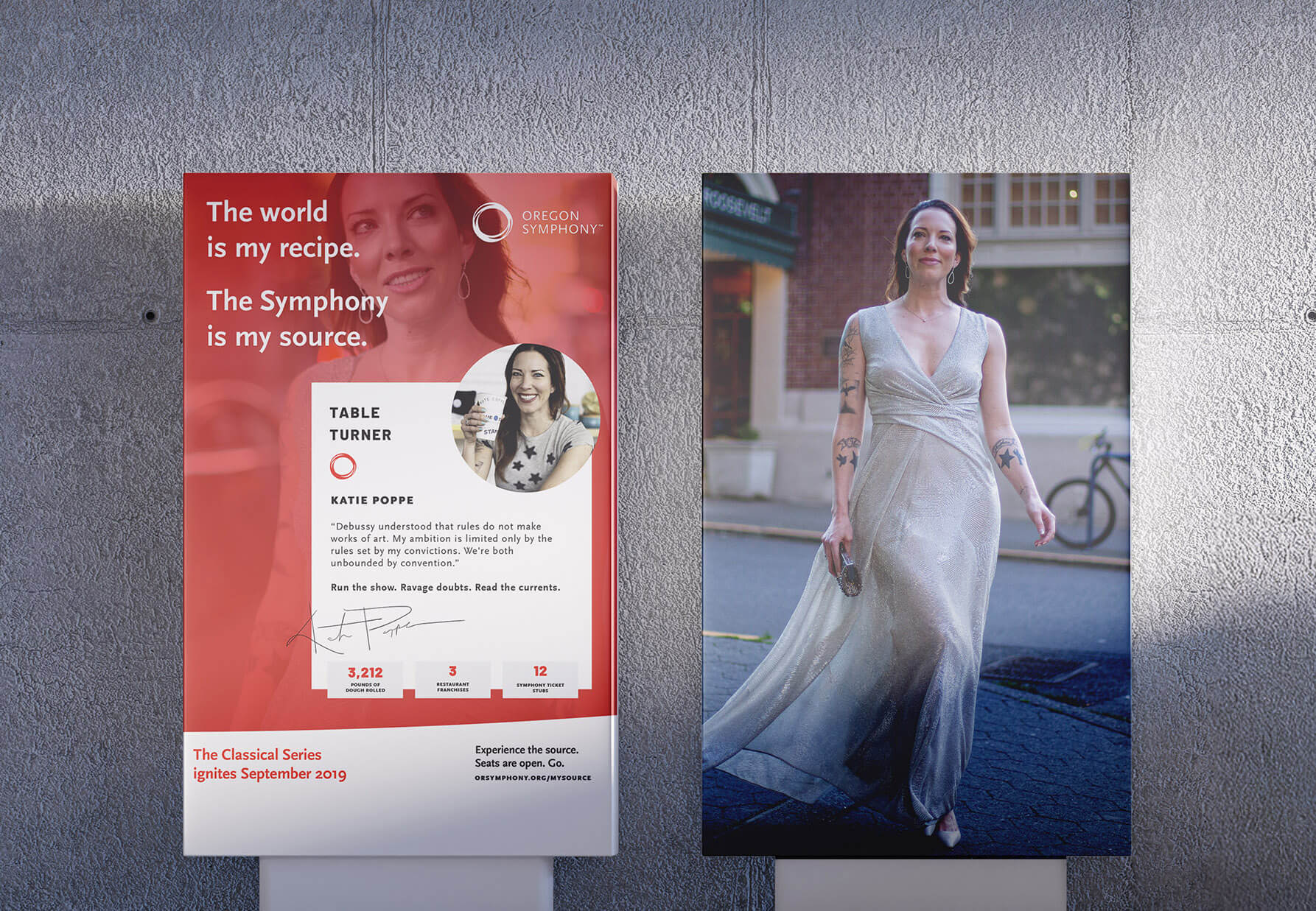
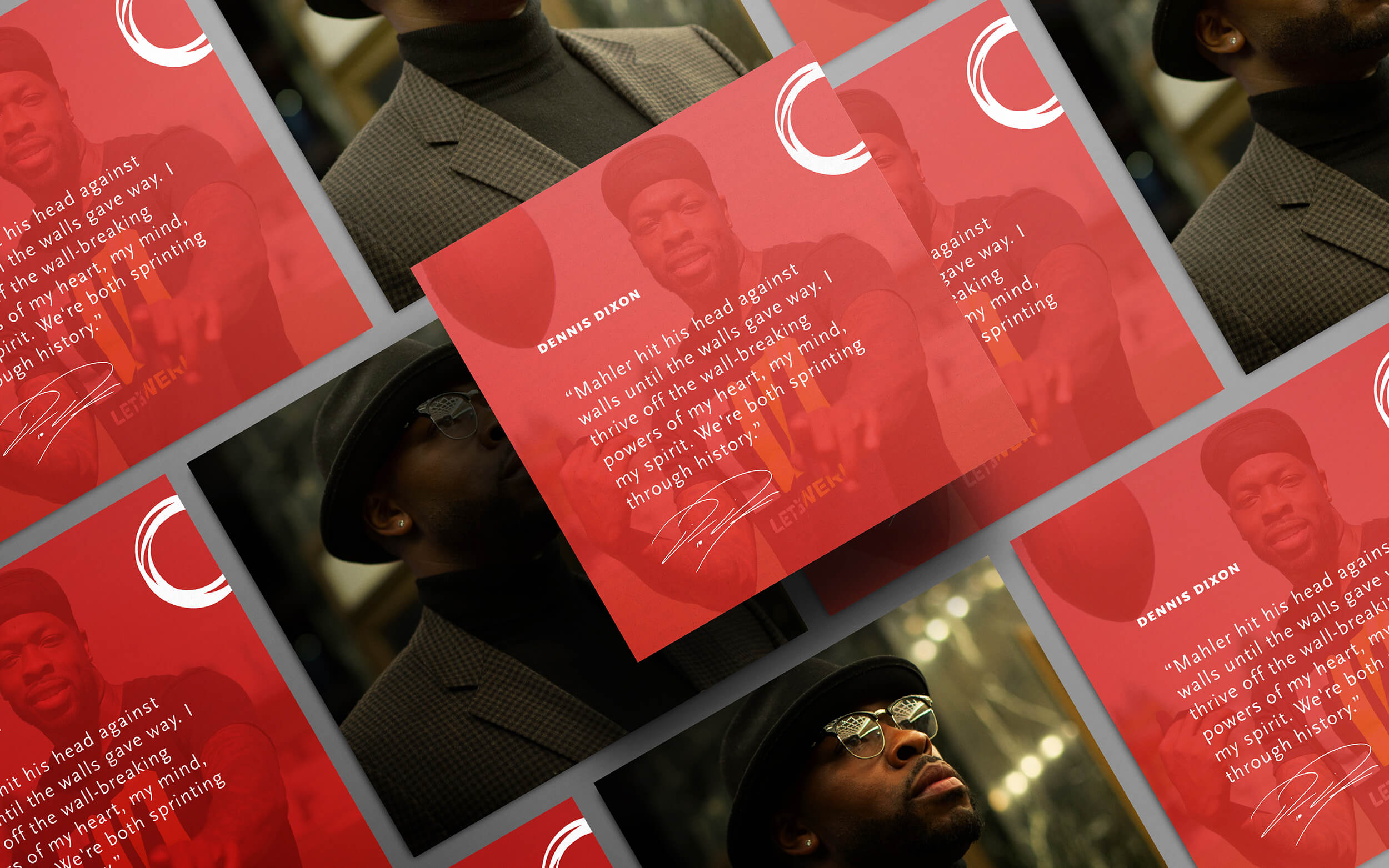
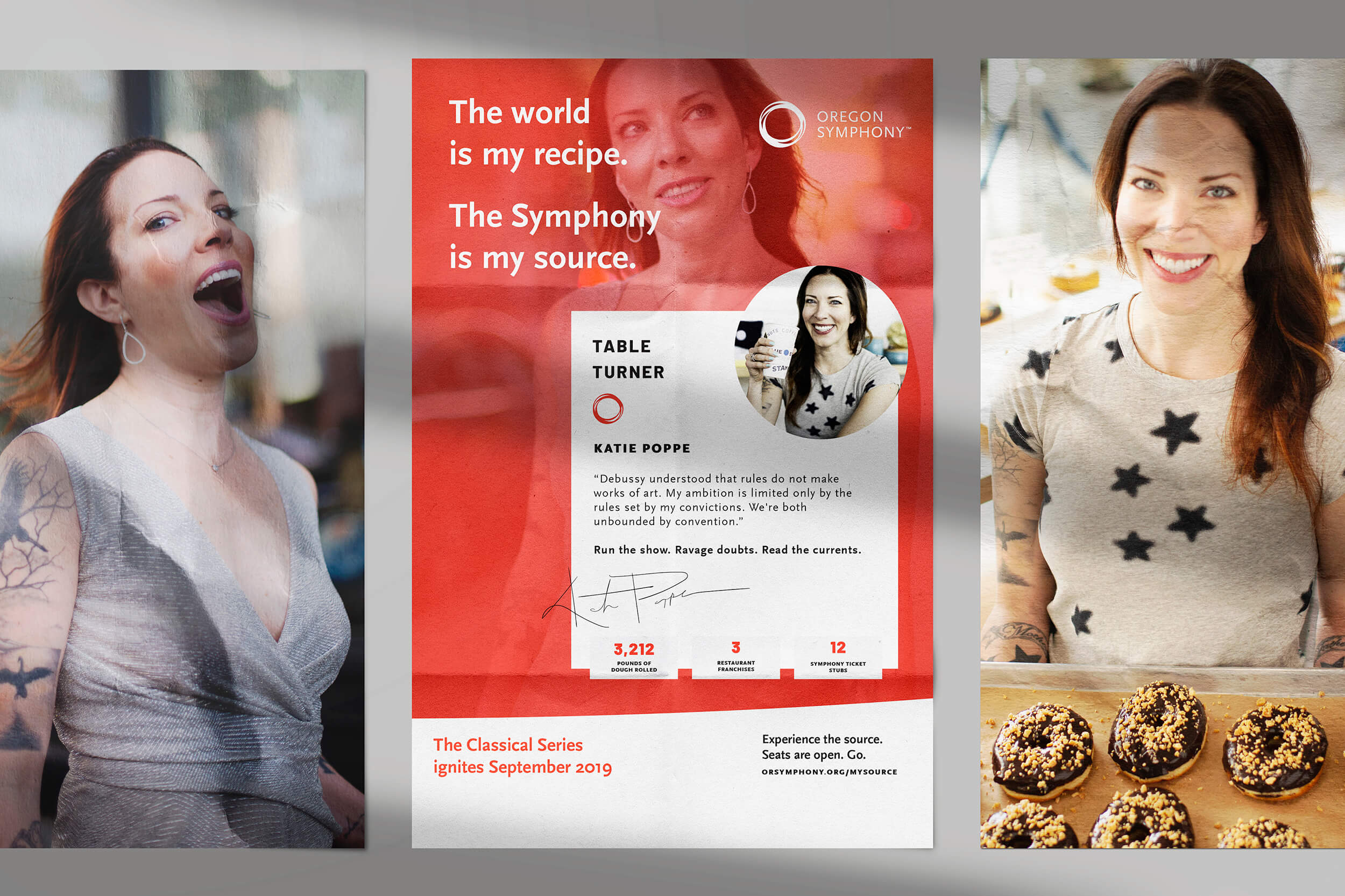
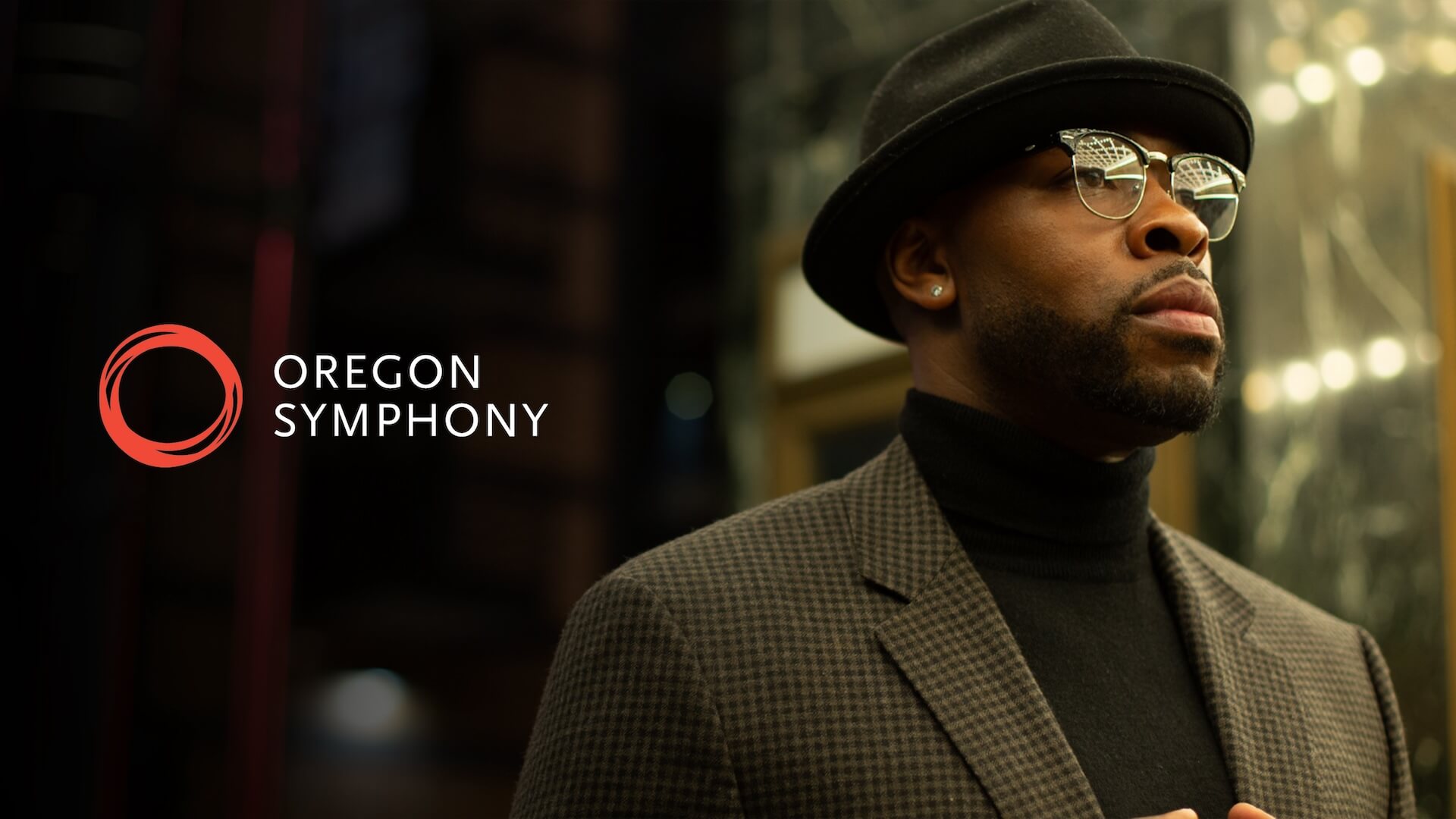
Dennis Dixon, former NFL quarterback turned fitness entrepreneur, listened to Mahler to clear his head. Katie Poppe, founder of Blue Star Donuts, saw in Debussy a reminder that breaking convention is often the point. Glenda Goldwater, gallery owner and longtime arts patron, emphasized that relevance has nothing to do with age.
These weren’t polished performance pieces. They were authentic reflections of what the Symphony could represent outside the concert hall.
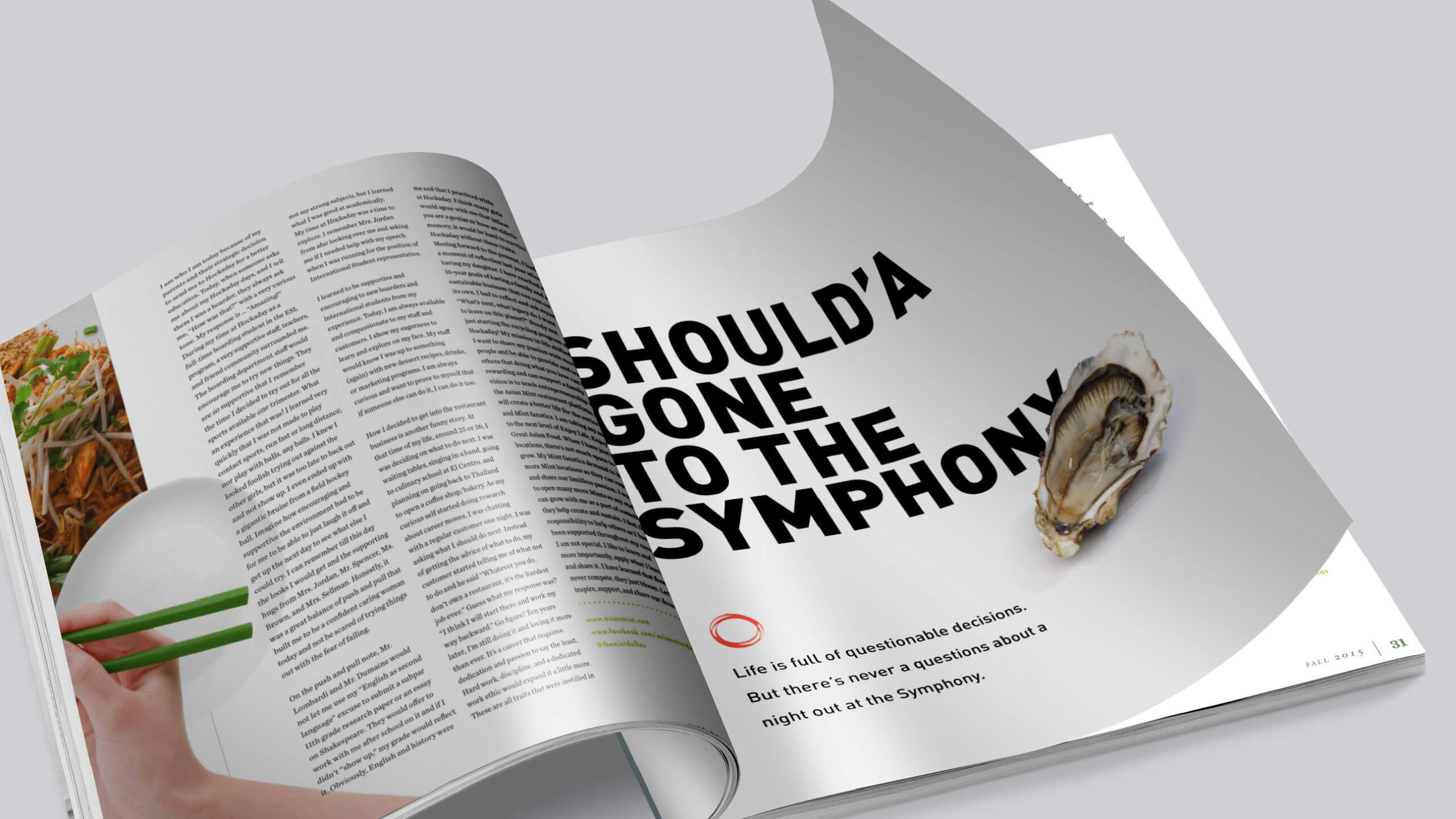
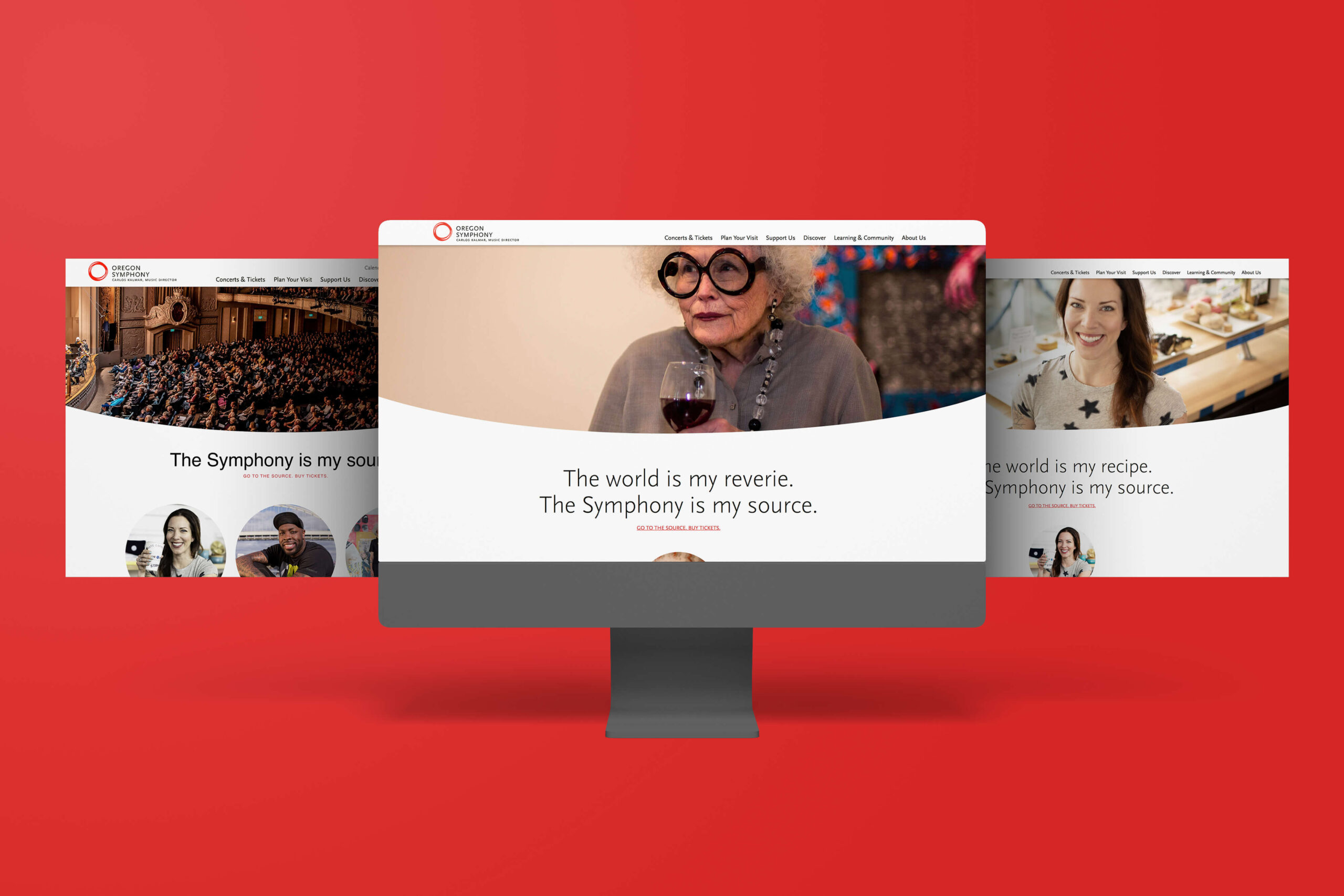
Each voice became the face of an omnichannel campaign—digital, print, and out-of-home.
We wrapped MAX trains in Portland, took over street-level windows at Target downtown, and created a flexible toolkit for years of adaptation.
No sheet music. No theatrical monologues. Just honest reasons people return to the classics—and why new listeners might begin.

Two Million Impressions. Zero Ad Dollars. But a Ton of Soul.
It worked. Not only through strong metrics—two million impressions per week without any paid media—but because the Symphony felt alive again to people who hadn’t thought about them since childhood field trips.
Internally, the transformation was even more powerful.
Scott Showalter, President and CEO, called it “artistic, genuine, exciting.”
Natasha Kautsky, former Marketing Director, said the work shook things up and gave the team permission to explore and speak with renewed energy.
This is the kind of momentum that doesn’t fit neatly into dashboards. It’s something you sense.
The Future of Classical Music Is Already in the Culture—We Just Have to Say It Out Loud
People don’t need conversion. They need reminders.
Reminders that classical music is already in their lives—woven into films, ads, samples, and the emotional architecture of their favorite moments. Reminders that the qualities they value—craft, intensity, movement, emotional depth—are all present in this music.
Showing up for a symphony doesn’t require becoming someone else.
It means leaning further into what they already love.
This is the opportunity for arts organizations: not to become something different, but to state the truth in a way that resonates.
Somewhere today, a kid may be sitting on a lawn eating a hot dog, hearing The Imperial March for the first time—just as I did. And without knowing it, they may become a lifelong fan. Not only of John Williams, but of music that stirs, challenges, and endures.
It’s already within them. All we need to do is make space for the moment to land.