


Andrea Marks, Oregon State University Professor visits Watson

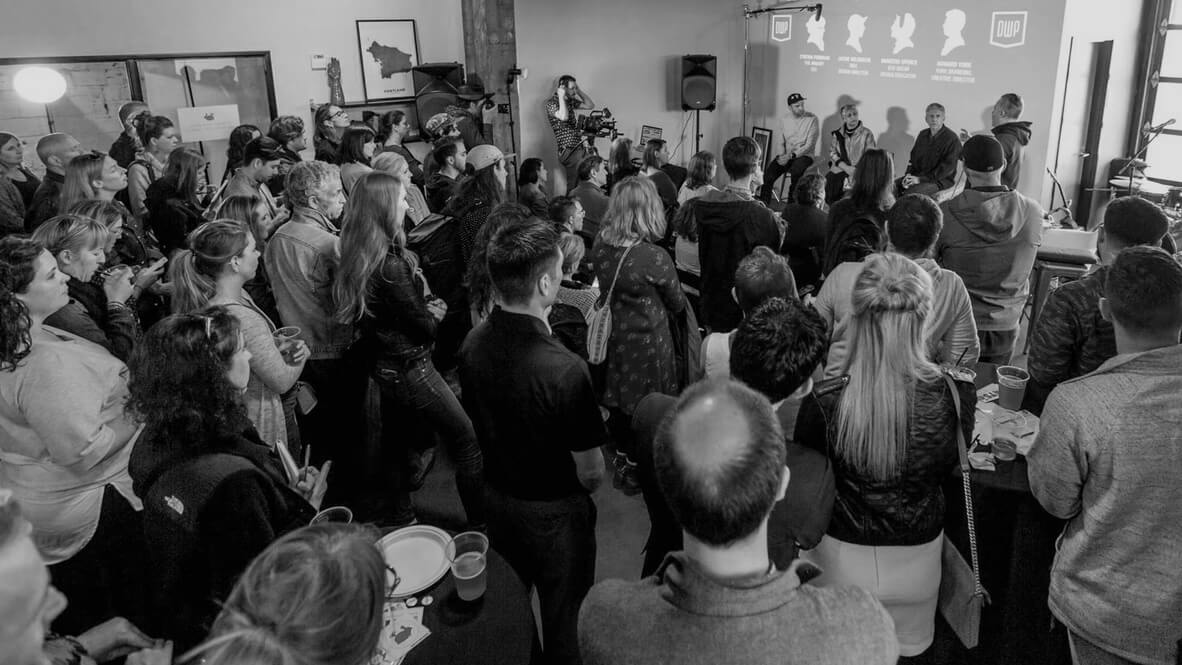
As part of our ongoing Speaker Series, Watson had the honor of hosting Andrea Marks, a celebrated design educator, documentarian, and visual historian whose work explores the intersection of art, culture, and political dissent.
Marks is best known for her film Freedom on the Fence, a 40-minute documentary chronicling the Polish School of Posters, a movement that emerged under Communist rule in twentieth-century Poland. What began as an academic exchange grant through Oregon State University evolved into a global journey through archives, studios, and conversations with artists who practiced design under pressure.
Her visit offered more than a screening. It created space for reflection on what design can do when expression is constrained and meaning must travel quietly.
A History Pasted to Brick Walls
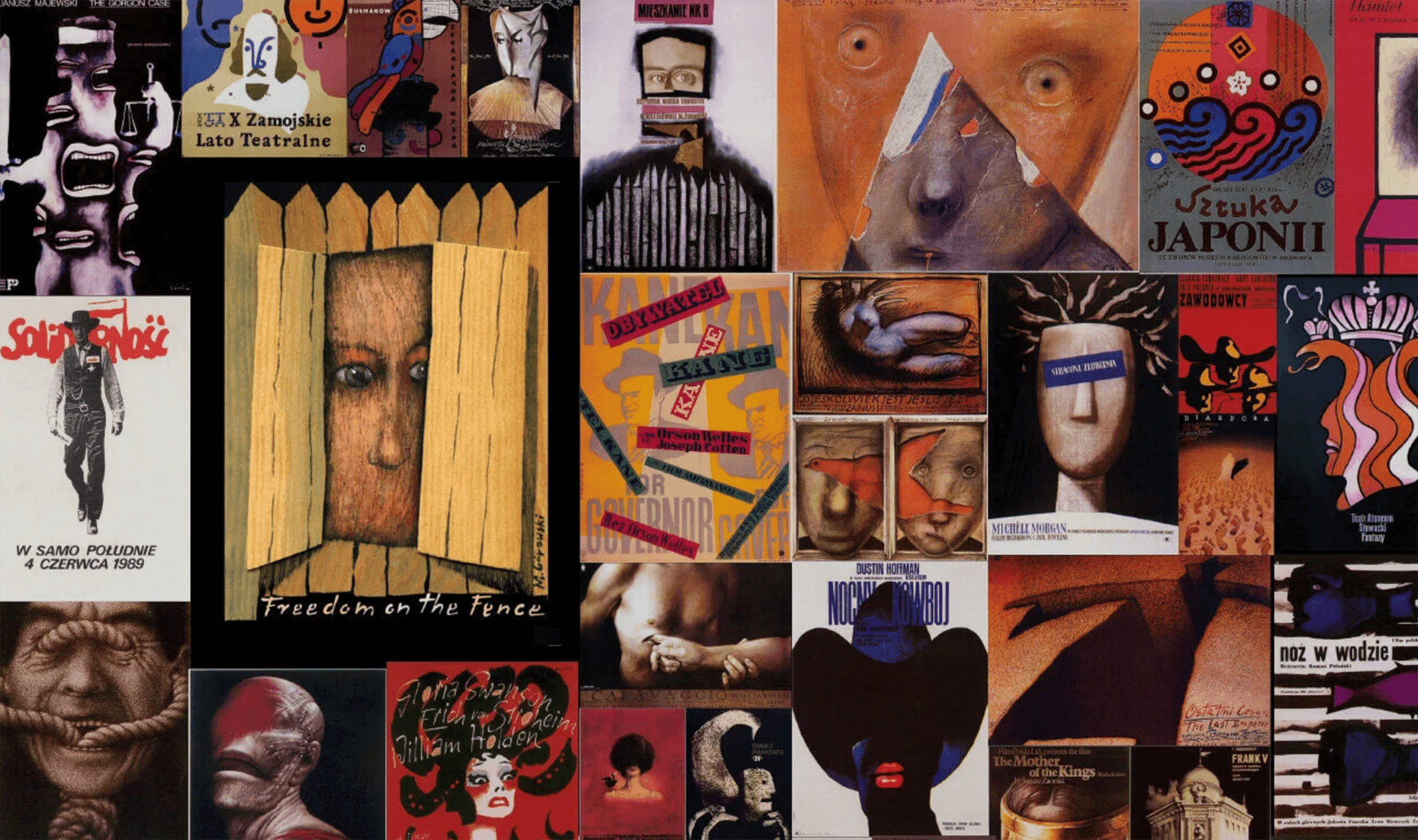
Between the 1950s and 1980s, the streets of Warsaw and Kraków were not saturated with commercial advertising. Instead, they became open-air galleries. Theater, ballet, and film posters lined brick walls, carrying layered symbolism, wit, and subversive visual language.
When the press was tightly controlled, the poster became an indirect voice of the people. Art was permitted, but only within limits. The brilliance of the Polish School lay in its ambiguity. Visual metaphors and coded imagery allowed messages to slip past censors while still provoking public thought.
As Marks noted, these works were not simply promotional artifacts. They were paper-thin acts of rebellion, using restraint and symbolism to communicate what could not be spoken directly.
A Studio Recentered
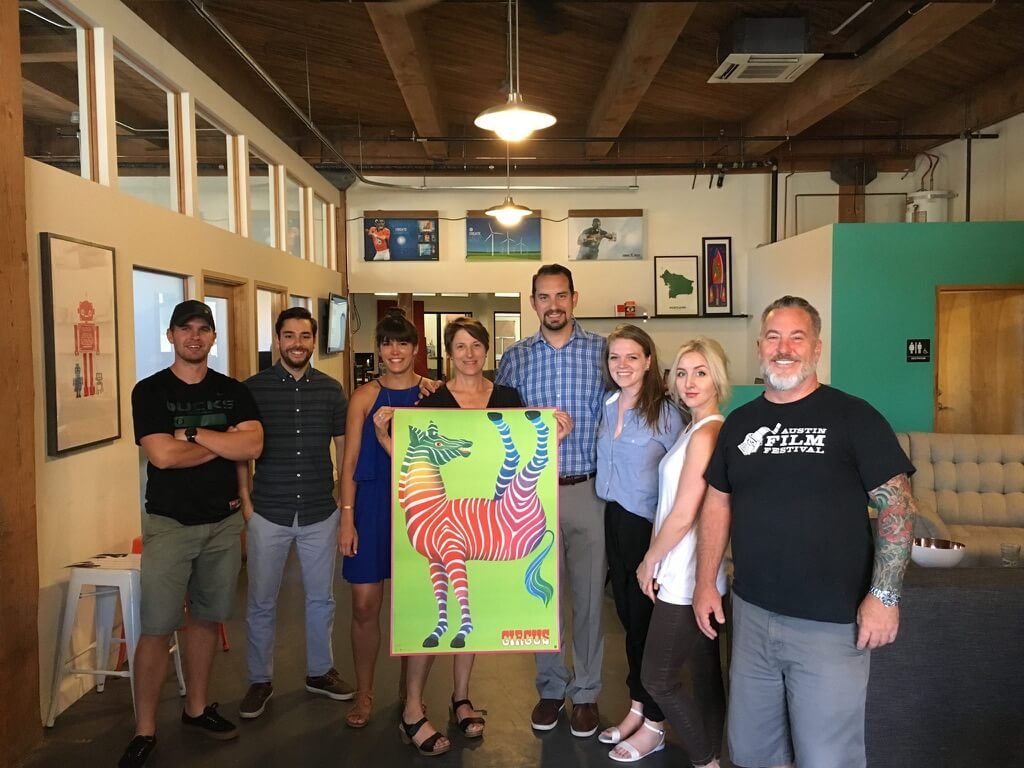
During her visit, Marks brought the work itself into the Watson studio. Dozens of original posters from different political eras were displayed, each piece expressive, raw, and deeply intentional.
From the surrealism of Wiktor Sadowski’s My Fair Lady to the absurdist brushwork of Henryk Tomaszewski, the posters served as reminders that design is not limited to decoration. It can guide, question, and provoke.
In a creative landscape often focused on conversion metrics and performance dashboards, the experience felt grounding. It reaffirmed that design can also exist to invite conversation and reflection.
Lessons for the Present
Marks’ visit arrived at a moment when many creatives are reassessing the role and responsibility of their work. When every brand claims purpose and every campaign seeks cultural relevance, her exploration of authentic, context-driven design felt especially timely.
The questions raised were direct and difficult:
- What do we stand for?
- What are we willing to communicate through design?
- What does meaningful work look like under constraint?
These are questions Marks has been asking for more than two decades, and her work suggests that limitation does not diminish creativity. It sharpens it.
More Than a Screening
Freedom on the Fence has been screened globally, from AIGA events to the Museum of Modern Art in New York, where it now resides in the permanent collection. But experiencing the story inside the Watson studio, surrounded by the posters themselves, carried a different weight.
It felt personal. Local. Tangible. Like a piece of design history pulling up a chair and asking for attention.
We are grateful for the opportunity to listen, learn, and reflect, and we look forward to welcoming Andrea Marks back again.
To learn more about Freedom on the Fence or purchase access to the film, visit freedomonthefence.com