


Points Aren’t Loyalty. The 49ers Understood That.

Every sports franchise has a loyalty program. Very few of them actually build loyalty.
The gap is worth naming. Points systems have become table stakes across professional sports, offered so widely and executed so shallowly that most fans have learned to expect nothing from them. Sign up. Collect a code. Redeem for a discount on merchandise. The loop is so thin that most fans forget the program exists between renewals.
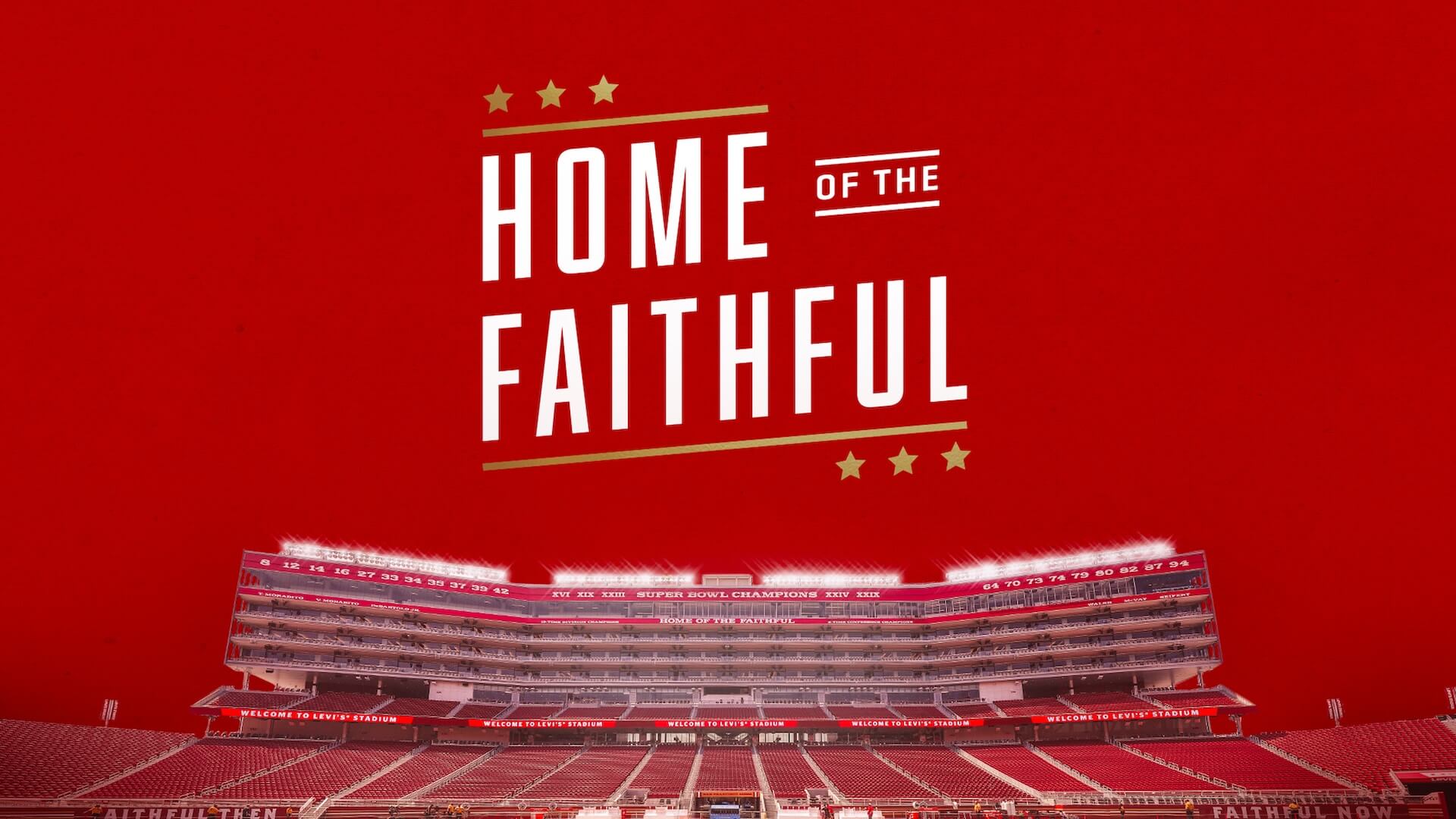
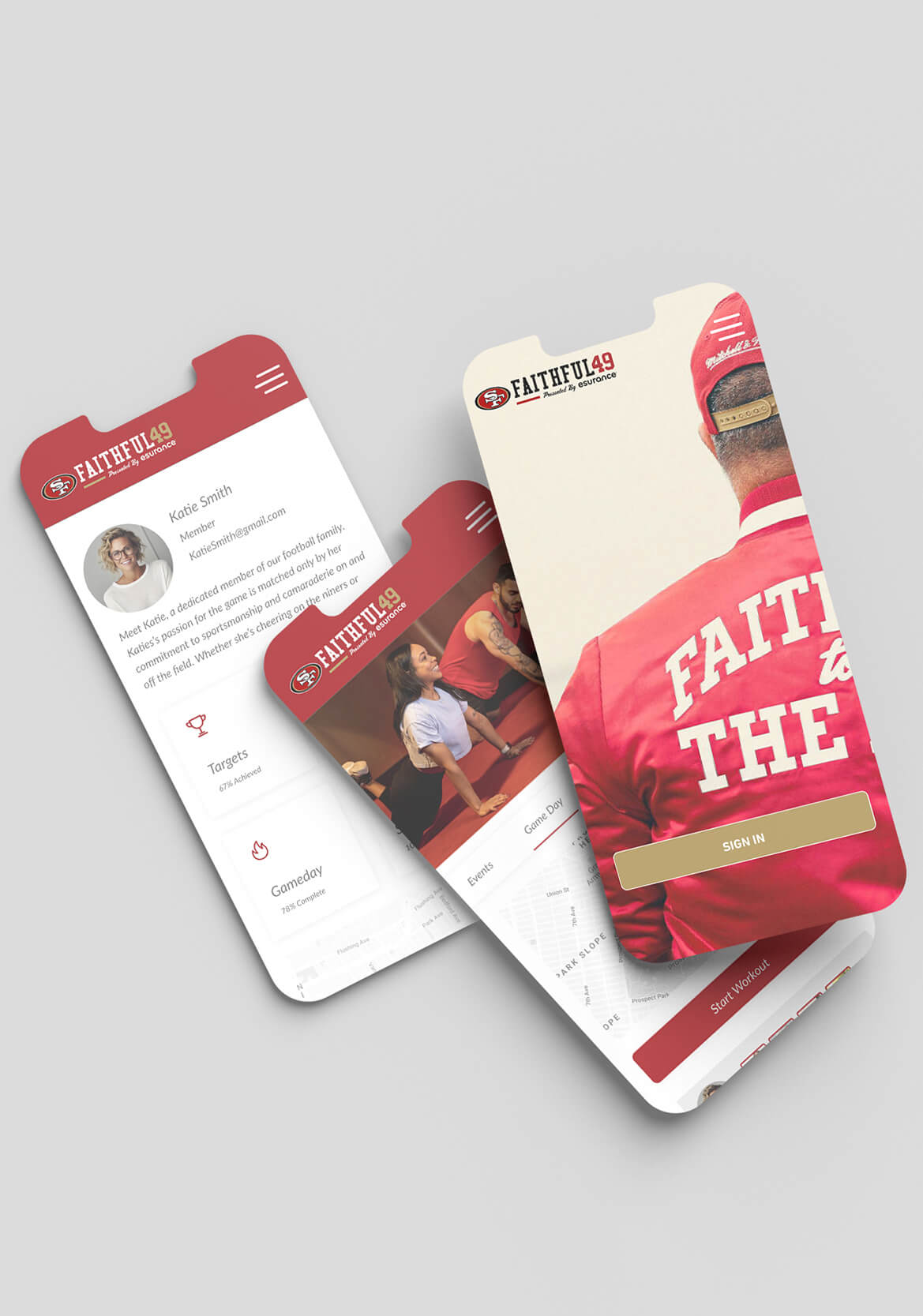
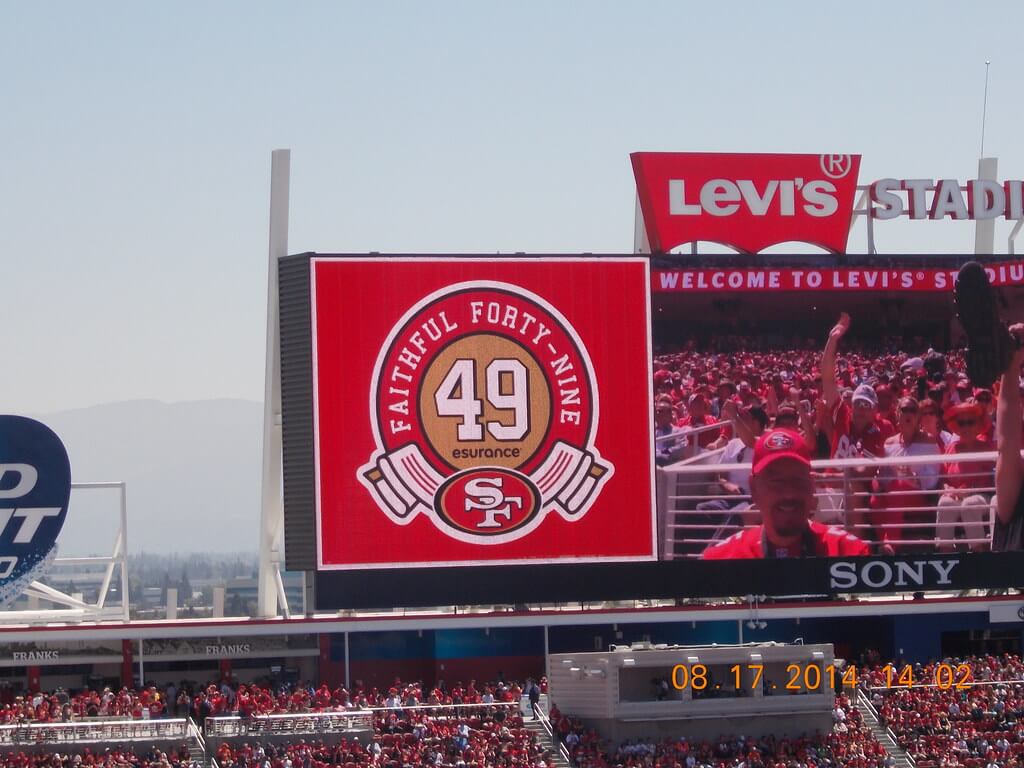
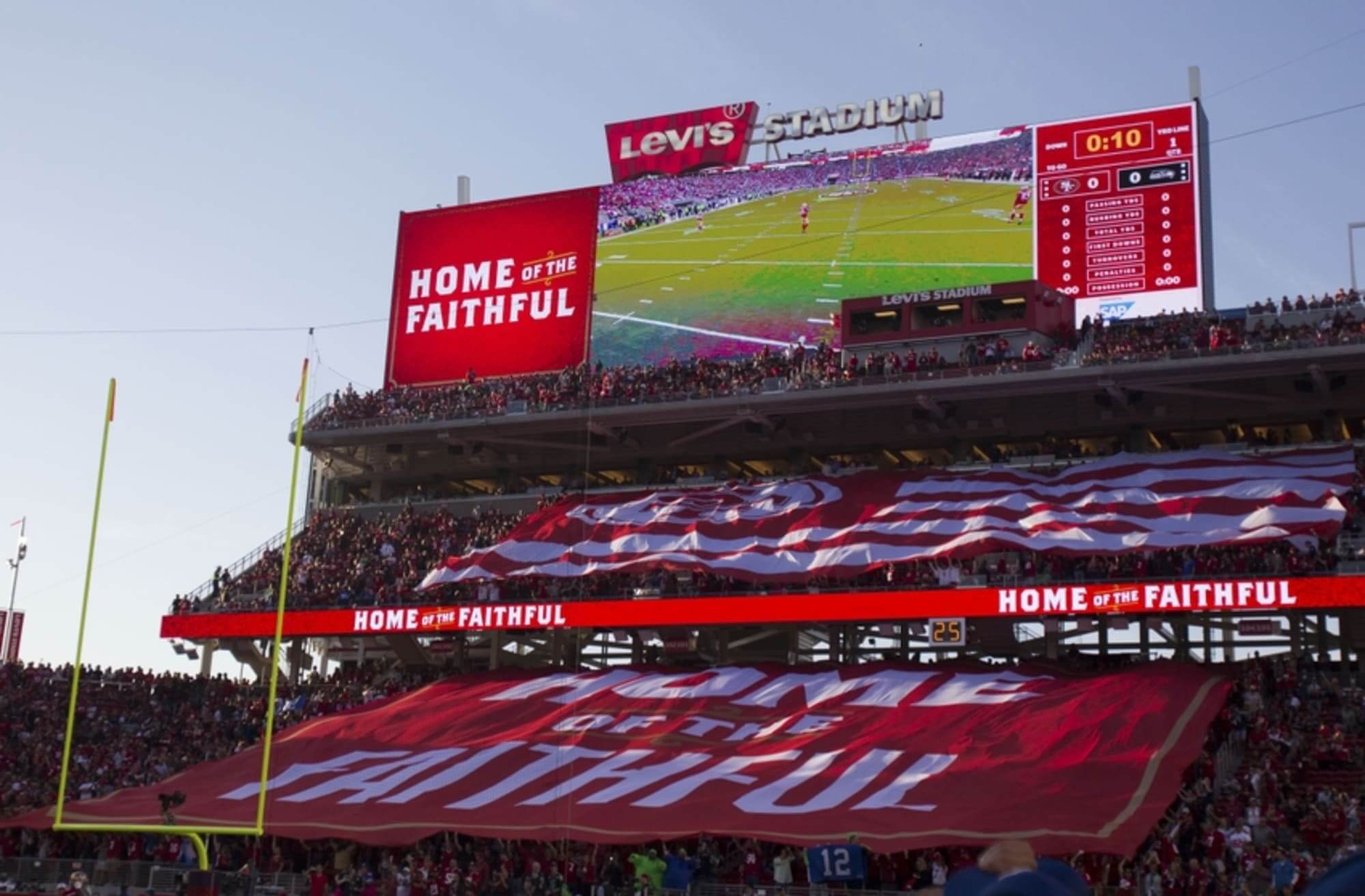
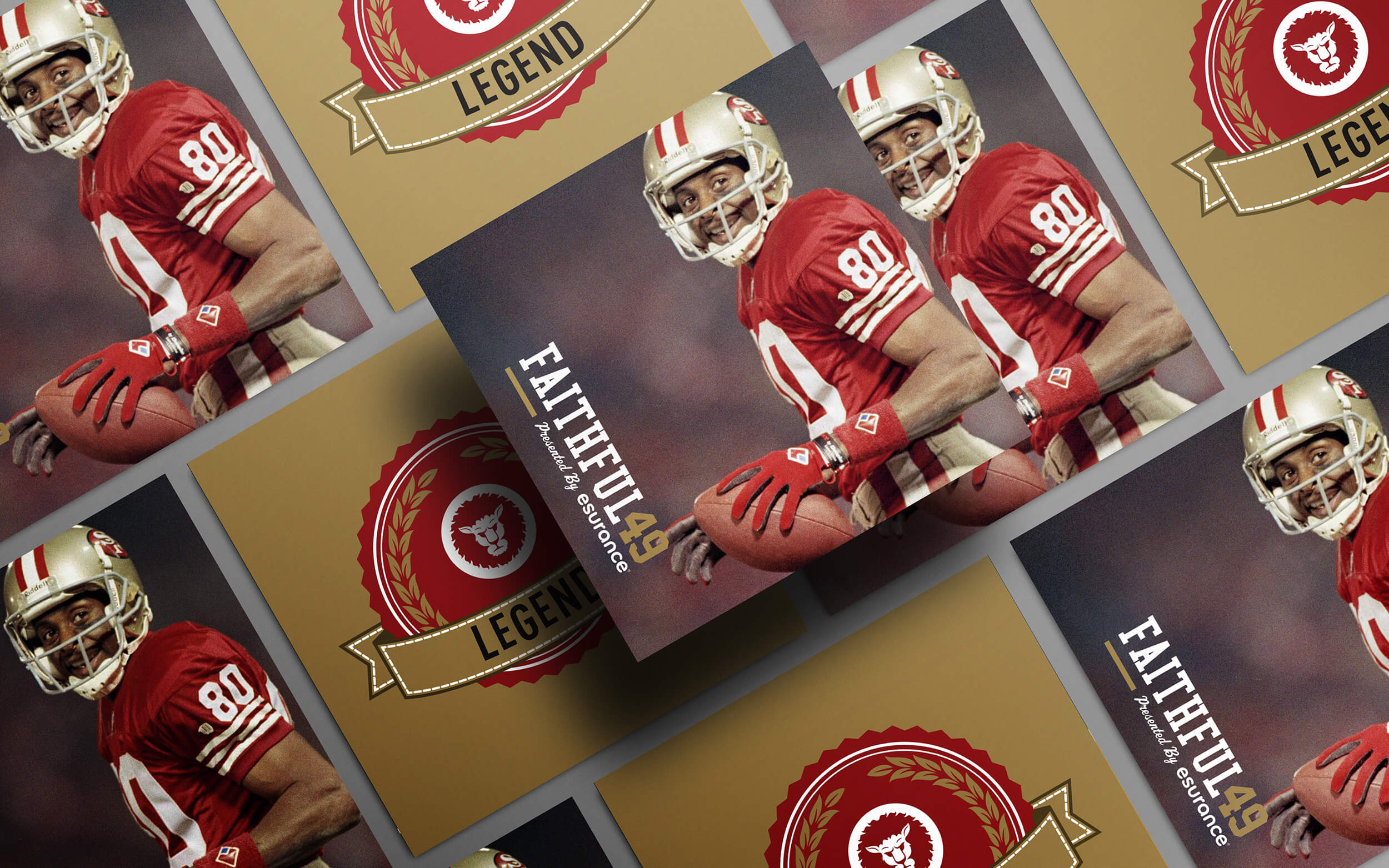
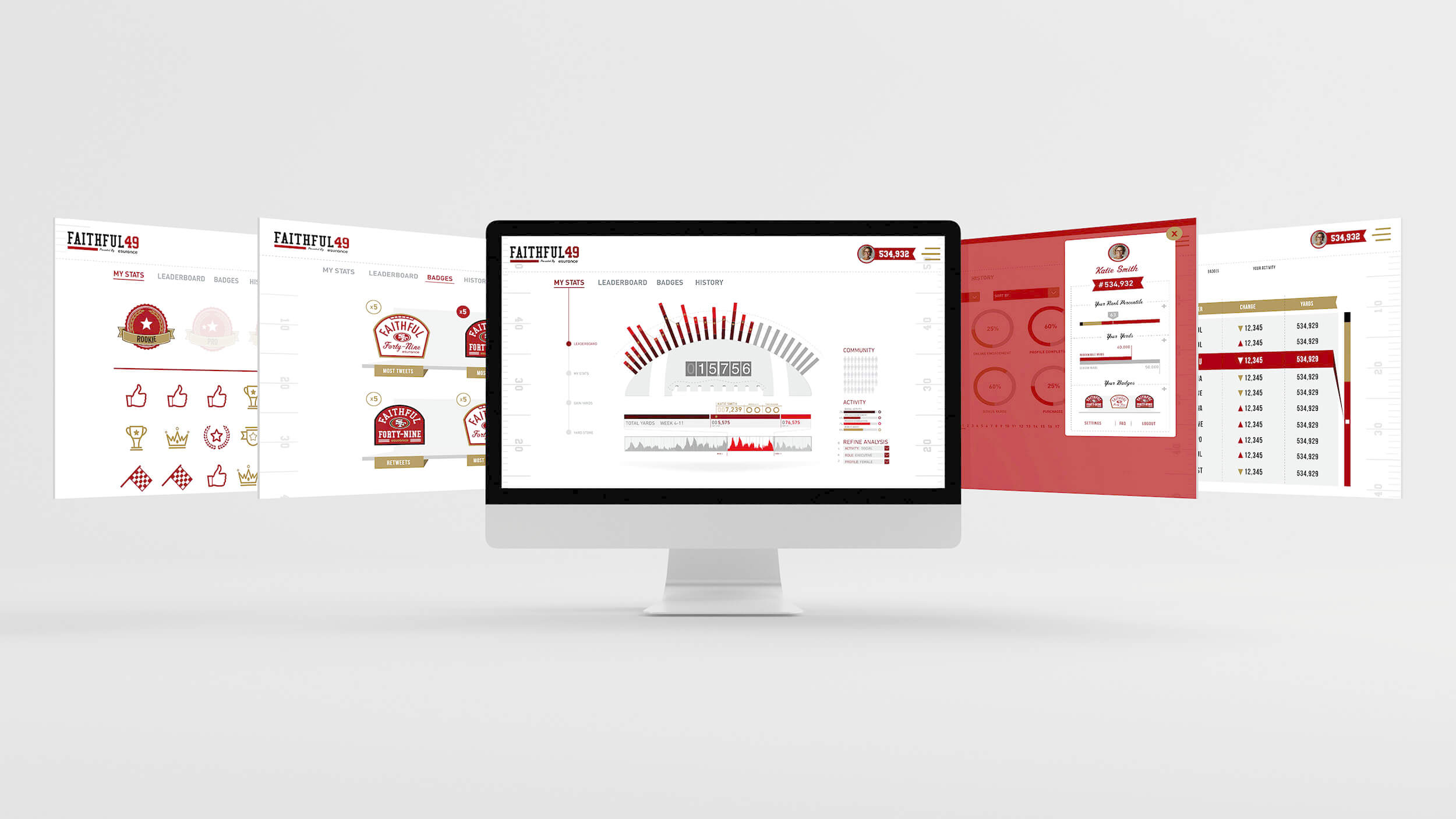
When the San Francisco 49ers approached Watson to design their Fan Loyalty Portal at Levi’s Stadium, the ask wasn’t another points system. It was a working system of value, one that could hold up under the specific pressure of a 68,500-seat game day and connect behavior, brand, and real reward inside the same architecture.
We said yes. Then we got to work.
What “Loyalty” Actually Means at Scale
Loyalty at scale is a design problem before it’s a marketing one.
The 49ers operate closer to a tech company than a traditional franchise. Levi’s Stadium is wired with one of the most advanced high-capacity Wi-Fi systems in professional sports. Fans show up expecting mobile access, live stats, digital tickets, and real-time rewards. The infrastructure exists. The question was whether the experience layered on top of it would feel considered or improvised.
Most stadium apps feel improvised.
Loyalty stops working the moment it feels transactional. That was the tension we kept coming back to. A system that rewards you for showing up early, visiting a concession, or engaging on social media only earns loyalty if the rewards themselves feel personal, immediate, and worth something the fan actually wants.
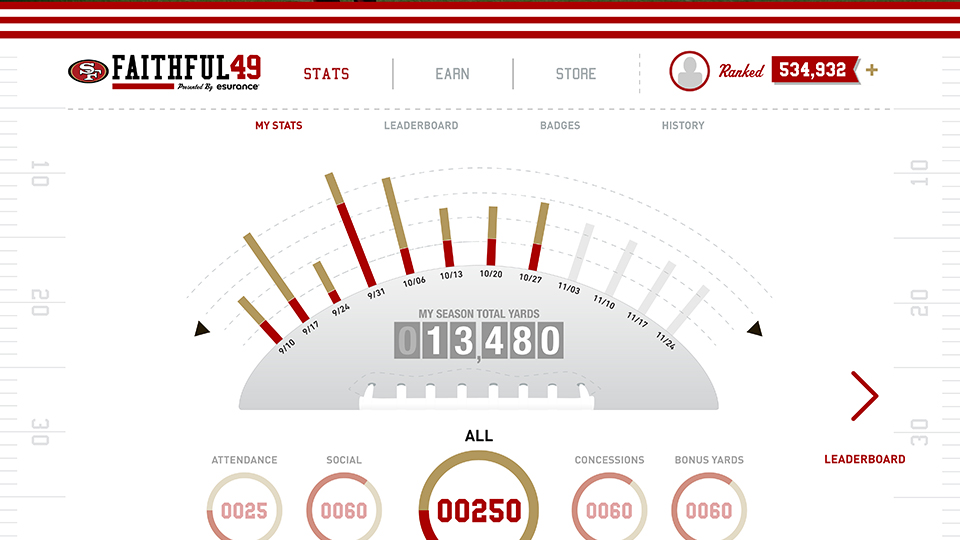
The portal was built around three commitments: real-time responsiveness, personalization by behavior rather than demographic, and rewards that reached into the parts of fandom points programs usually skip. Autographed gear. Player meet-and-greets. Pregame field access. The moments fans remember years later.
Where Strategy Meets Infrastructure
The infrastructure question wasn’t incidental. It was structural.
Watson designed the portal in partnership with SKIDATA, a global leader in secure access solutions. David Sjolin, our long-time collaborator there, understood from the beginning that fan trust in a loyalty system collapses the first time the system fails at scale.
“If 68,000 fans all hit their redeem button at the same time, this system will manage it,” Matt Watson said at the time. “That’s where strategy meets infrastructure. No smoke and mirrors. Just strong thinking and solid tech.”
That distinction matters more than it sounds. Most fan experience platforms fail somewhere between the concept deck and the third quarter of a real game. The design assumed the load. The build met it.
Why the 49ers Chose Watson
This wasn’t a cold call.
The 49ers came to us after seeing what we’d built for other franchises: the Denver Broncos, Kansas City Chiefs, Philadelphia Union, Seattle Sounders, and Portland Timbers, among others. The relationship with SKIDATA helped surface the conversation. The work is what carried it.
Our approach wasn’t templated. Every franchise we work with has its own culture, its own voice, its own operational reality. Copying one team’s fan experience onto another produces a system that fits neither. The 49ers wanted a partner who could design inside their context, not on top of it.
Design in isolation is design that won’t survive contact with the actual audience. That’s been true across every category we work in. Sports. Healthcare. Higher education. Urban development. Nonprofits. The specifics change. The principle doesn’t.
What a Fan Loyalty Portal Actually Is
The portal isn’t a rewards program with better UI.
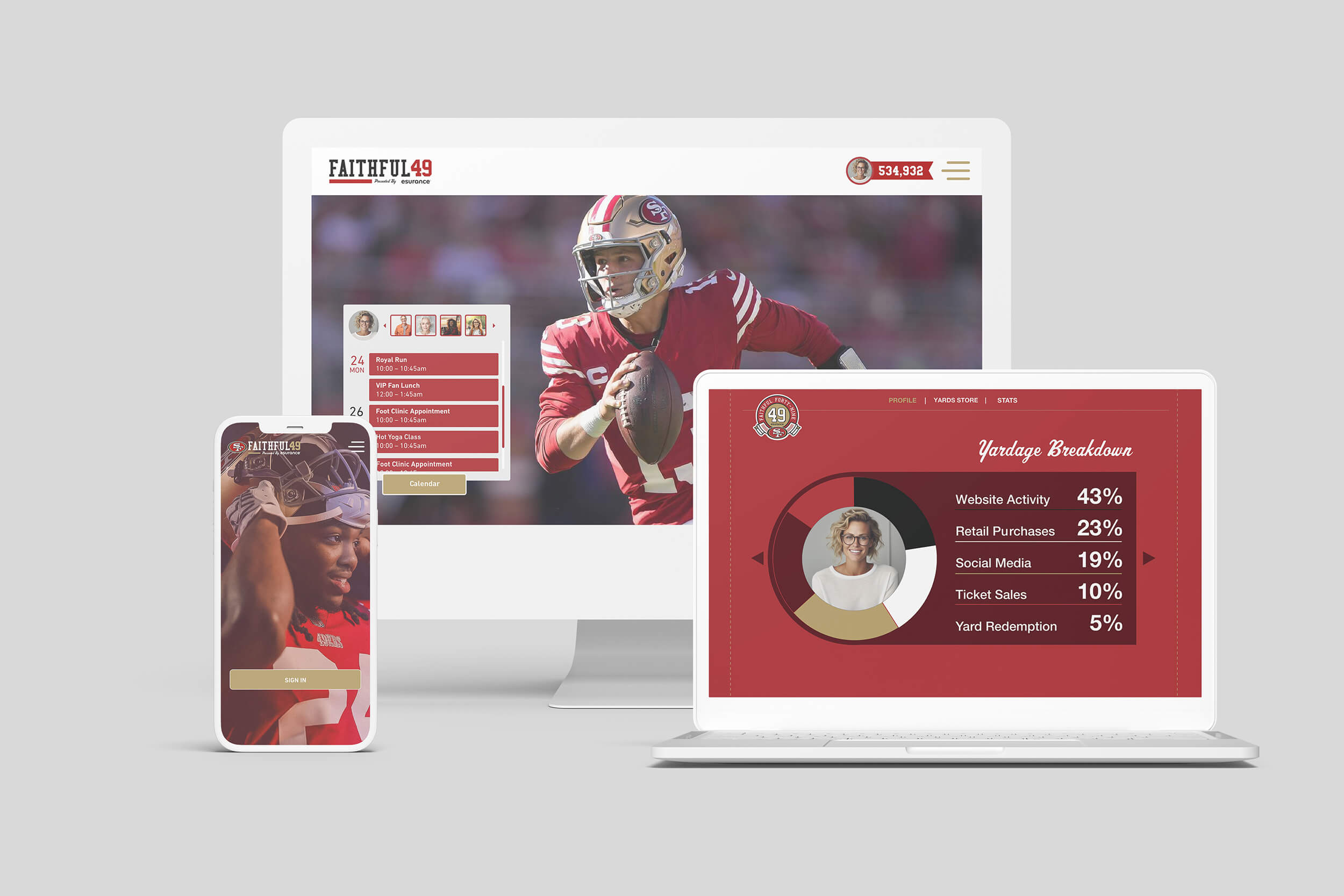
It’s a connected system where marketing, ticketing, sponsorship, and operations meet in one behavioral flow. A fan enters the stadium using their phone. Their behavior throughout the day (early arrival, concession visits, social engagement) feeds a real-time reward layer. Points redeem into experiences the team owns and no one else can offer.
The value isn’t in any single interaction. It’s in the coherence across all of them.
That’s the version of loyalty most brands still struggle to build. Sports franchises are among the few categories where the audience is emotionally invested enough to make the payoff worth the design work. The 49ers understood that early.
Innovation, End Zone to Endpoint
Levi’s Stadium sits at the epicenter of Silicon Valley. That geography matters. The tolerance for polished-but-broken tech in this fanbase is low, and the 49ers organization runs with an operating rhythm closer to a product company than a traditional franchise. Design-led. Data-aware. Systems-first.
Watson’s approach fit that reality. Not because we chased the tech story, but because the way we work already assumed it. Experience design, not just UI. Strategy grounded in human behavior. A single system aligning marketing, ticketing, sponsorship, and operations rather than four systems pretending to.
We don’t design in isolation. We design in context. Of brand. Of audience. Of infrastructure. That’s what made this project different. That’s what made it Watson.
The Bigger Picture
The 49ers project sits inside a broader body of work at Watson focused on systems of engagement in the real world, in real time.
The principles that made the portal work travel well beyond sports. We’re applying the same thinking in healthcare, higher education, urban development, and nonprofits. Wherever people gather, engage, and make decisions, there’s a design problem waiting underneath the surface message. Most of the time, no one is solving it.
That’s where we come in.
Our Bay Area branding agency brings that same strategic and creative rigor to organizations across Northern California.
That perspective is reinforced by our Seattle branding agency, connecting regional insight with work built for broader impact.
The Standard
The 49ers chose Watson because they saw work that held up under pressure. Not pretty design. Design that worked. At scale. Under pressure. With meaning.
That’s the standard we hold every engagement to now.
Points and perks aren’t loyalty. Signage isn’t experience. A campaign isn’t a system.
The bar is coherence.